Home Blog Page 7

Tragic Loss of Class 12 Topper in Dehradun Raises Alarm Over Academic Pressure and Mental Health

0

The reported death of a Class 12 student in Dehradun, who was known to be a school topper, has sparked widespread concern among educators, parents, and mental health professionals. According to preliminary reports, the student allegedly died by suicide and left behind a note expressing love for their parents. The incident has once again brought attention to the growing emotional burden carried by high-performing students in India’s competitive academic environment.

In recent years, academic success has increasingly become associated with intense pressure, particularly for students preparing for board examinations and competitive entrance tests. While achievement is celebrated, the emotional and psychological cost often remains hidden. Students who are labeled as “toppers” are frequently expected to maintain consistently high performance, leaving little room for failure, rest, or emotional vulnerability.

Experts suggest that such pressure can sometimes lead to feelings of isolation. Even when surrounded by family, teachers, and peers, students may struggle internally with anxiety, fear of disappointing others, and self-imposed expectations. In many cases, these emotional struggles go unnoticed until it becomes too late.

This tragic incident highlights the urgent need for schools to strengthen mental health support systems. Counseling services, peer support groups, and regular emotional wellness check-ins are increasingly being recommended as essential components of education rather than optional services. Unfortunately, in many institutions, academic performance is still prioritized over emotional well-being.

Parents also play a crucial role in shaping a child’s emotional resilience. While expectations are natural, experts emphasize the importance of communication that reassures children that their worth is not defined solely by marks or ranks. Open conversations about stress, failure, and emotional health can help reduce the stigma that often prevents students from seeking help.

Authorities and educators are now being urged to reflect on the systemic pressures placed on students. The tragedy serves as a reminder that academic excellence should not come at the cost of mental well-being. Preventive awareness, early intervention, and compassionate environments are key to ensuring that students feel supported rather than overwhelmed.

As the community mourns the loss, discussions are also emerging about the need for a broader cultural shift—one that values mental health as much as academic achievement.

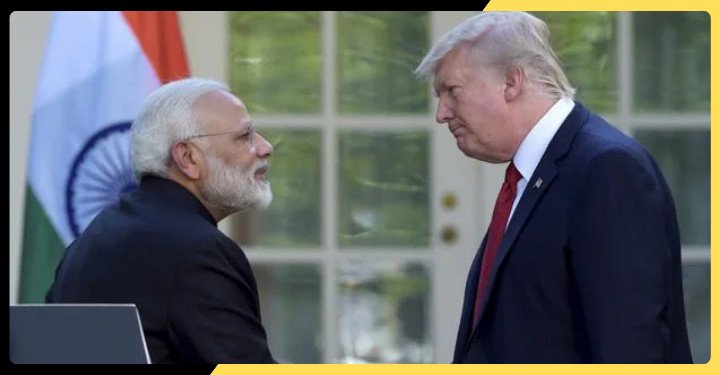
Modi Highlights Need for Stronger Trust as Talks With Trump Approach

0

As Indian Prime Minister Narendra Modi prepares for a crucial meeting with former U.S. President Donald Trump, concerns surrounding a growing trust deficit between the two countries have come into sharp focus. The upcoming discussions are expected to address a range of strategic, economic, and geopolitical issues that have increasingly tested the resilience of the India-United States partnership.

Over the past decade, India and the United States have significantly expanded their cooperation across defense, trade, technology, and regional security. Both nations have often described their relationship as one of the most important partnerships of the 21st century. However, despite these achievements, several areas of disagreement have emerged, creating uncertainty about the future direction of bilateral ties.

Prime Minister Modi’s remarks about the need to strengthen trust underscore the importance of maintaining open communication and mutual understanding between the two democracies. Trust remains a fundamental element of any strategic partnership, particularly when both countries face complex global challenges ranging from economic instability to security concerns in the Indo-Pacific region.

Trade is expected to be a major topic during the meeting. While India and the United States enjoy strong commercial ties, disputes over tariffs, market access, and regulatory barriers have occasionally strained relations. Businesses on both sides have called for greater predictability and transparency to encourage investment and economic growth. Addressing these concerns could help restore confidence among investors and strengthen economic cooperation.

Defense collaboration is another critical pillar of the relationship. India has emerged as a key security partner for the United States in the Indo-Pacific, a region that has become increasingly significant in global strategic calculations. Joint military exercises, defense agreements, and intelligence-sharing initiatives have contributed to closer cooperation. However, differing approaches to certain international issues have sometimes generated questions about long-term strategic alignment.

The geopolitical landscape has become more complicated in recent years. Conflicts in various regions, evolving alliances, and competition among major powers have forced countries to reassess their foreign policy priorities. India has consistently emphasized its strategic autonomy, seeking to maintain relationships with multiple global partners while protecting its national interests. This approach has occasionally created differences with Washington, particularly on issues where expectations and priorities do not fully align.

Technology and innovation are also expected to feature prominently in the discussions. Both nations recognize the importance of cooperation in emerging sectors such as artificial intelligence, semiconductors, cybersecurity, and digital infrastructure. Strengthening collaboration in these fields could generate significant economic opportunities while enhancing national security capabilities.

Another area requiring careful attention is people-to-people engagement. The Indian diaspora in the United States has played a vital role in strengthening bilateral ties. Educational exchanges, business partnerships, and cultural connections have helped create a strong foundation for cooperation. Policymakers on both sides understand that sustaining these connections is essential for the long-term success of the relationship.

Analysts believe that Modi’s emphasis on trust reflects broader concerns about consistency and reliability in international partnerships. In an era marked by rapid geopolitical change, countries increasingly seek assurances that commitments will be honored and strategic objectives will remain aligned. Building trust requires not only diplomatic engagement but also concrete actions that demonstrate mutual respect and shared interests.

The meeting between Modi and Trump is therefore likely to carry significance beyond immediate policy discussions. It represents an opportunity to address concerns, clarify expectations, and reaffirm the value of one of the world’s most consequential bilateral relationships. Success will depend on the willingness of both leaders to engage constructively and identify common ground despite areas of disagreement.

As the talks approach, observers around the world will closely watch for signals about the future trajectory of India-U.S. relations. Whether the discussions lead to renewed confidence or highlight existing challenges, they are expected to influence diplomatic and economic developments well beyond the two nations involved.

Mother of Pearl Inlay: The Perfect Choice for Luxurious Marble and Wood Interiors

Luxury interiors are defined by exceptional craftsmanship, unique design elements, and timeless beauty. Among the many decorative techniques used to enhance premium spaces, Mother of Pearl Inlay stands out as one of the most elegant and sophisticated art forms. Known for its shimmering appearance and intricate detailing, Mother of Pearl Inlay transforms ordinary marble and wood surfaces into breathtaking works of art that reflect luxury, exclusivity, and refined taste.

As a leading name in the marble inlay industry, KGN Exports House specializes in creating custom Mother of Pearl Inlay designs for residential, commercial, and hospitality projects. Combining traditional craftsmanship with modern design expertise, the company delivers stunning inlay solutions that elevate the aesthetic appeal of any space.

What is Mother of Pearl Inlay?

Mother of Pearl Inlay is a decorative art technique that involves embedding natural shell pieces, precious stones, and semi-precious stones into marble or wooden surfaces to create beautiful patterns and artistic designs. The natural iridescence of Mother of Pearl gives each piece a luxurious glow, making it a popular choice for high-end interior and architectural projects.

This centuries-old craft has its roots in royal palaces and historic monuments, where artisans used intricate inlay work to decorate floors, walls, doors, and furniture. Today, Mother of Pearl Inlay continues to be a symbol of luxury and sophistication, admired by architects, interior designers, and homeowners worldwide.

Bringing Royal Elegance to Modern Interiors

One of the key reasons for the growing popularity of Mother of Pearl Inlay is its ability to add a sense of grandeur and exclusivity to any environment. Whether incorporated into marble flooring, decorative wall panels, staircases, tabletops, or luxury doors, the intricate detailing creates a striking visual impact.

At KGN Exports House, every project is carefully designed to meet the specific preferences of the client. The company offers an extensive collection of exclusive patterns and motifs while also providing fully customized solutions based on client references, sketches, and design concepts.

From classic floral designs inspired by Mughal architecture to contemporary geometric patterns, each creation reflects a perfect balance between tradition and innovation.

Expert Craftsmanship and Attention to Detail

The beauty of Mother of Pearl Inlay lies in the precision and skill required to create it. At KGN Exports House, experienced craftsmen follow traditional techniques that have been passed down through generations. The process begins with detailed planning and design development, followed by careful engraving of marble or wood surfaces.

Once the base material is prepared, artisans meticulously place Mother of Pearl, precious stones, and semi-precious stones into the engraved sections. Every piece is hand-fitted to ensure flawless alignment and a seamless finish. The result is an exquisite surface that showcases exceptional artistry and craftsmanship.

What makes this process even more remarkable is that many of the tools and techniques used by the craftsmen are similar to those employed during the Mughal period, preserving the authenticity of this historic art form.

Applications of Mother of Pearl Inlay

Mother of Pearl Inlay can be incorporated into a wide range of architectural and interior elements, making it a versatile choice for luxury projects.

Popular applications include:

Marble Inlay Flooring
Decorative Wall Panels
Grand Staircases
Luxury Doors
Table Tops
Reception Counters
Hotel Lobbies
Villa Interiors
Palace Renovations
Feature Walls
Custom Furniture Designs

These applications not only enhance the visual appeal of a space but also create a unique identity that reflects elegance and sophistication.

High-Quality Materials and Modern Facilities

To achieve exceptional results, KGN Exports House combines skilled craftsmanship with premium-quality materials and advanced manufacturing facilities. The company works with both Indian and imported natural stones, carefully selecting materials based on durability, beauty, and project requirements.

The well-equipped processing and assembly unit enables the company to handle projects of all sizes while maintaining strict quality standards. Every product undergoes detailed inspection to ensure precision, consistency, and long-lasting performance.

This commitment to quality has helped KGN Exports House build a strong reputation among clients seeking world-class marble and wood inlay solutions.

Trusted by Architects, Designers, and Builders

Over the years, KGN Exports House has successfully completed numerous projects for architects, interior designers, builders, and luxury property owners across India and international markets. The company’s ability to deliver customized designs, superior craftsmanship, and timely project execution has made it a preferred partner for prestigious developments.

Whether working on a luxury residence, a boutique hotel, a commercial property, or a heritage restoration project, the team ensures that every detail aligns with the client’s vision and expectations.

Their extensive workforce of highly experienced craftsmen also enables them to manage urgent requirements and large-scale projects without compromising quality or attention to detail.

Conclusion

Mother of Pearl Inlay is more than just a decorative technique—it is a timeless expression of luxury, artistry, and architectural excellence. Its ability to enhance marble and wood surfaces with intricate patterns and luminous beauty makes it one of the most desirable design elements for premium interiors.

With its dedication to traditional craftsmanship, customized design solutions, premium materials, and international quality standards, KGN Exports House continues to create remarkable inlay masterpieces for clients around the world. Whether you are designing a grand residence, a luxury hotel, or an elegant commercial space, Mother of Pearl Inlay offers the perfect way to add sophistication, value, and lasting beauty to your interiors.

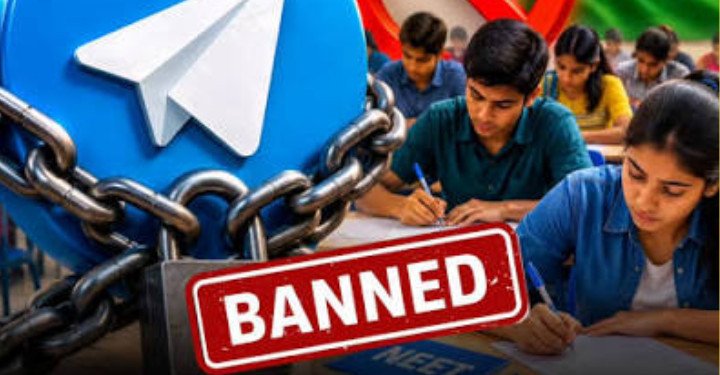
India Cracks Down on Telegram Amid NEET Exam Fraud Concerns

0

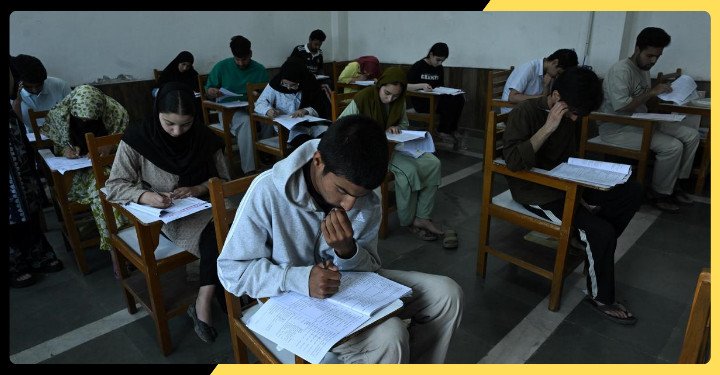
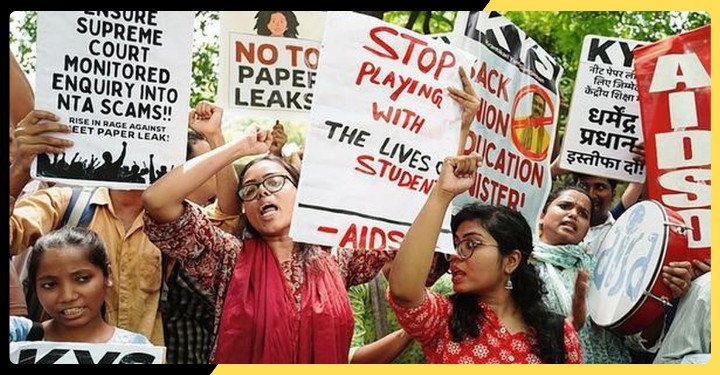
India has intensified its efforts to protect the integrity of national examinations by taking temporary action against Telegram following concerns about fraud linked to the National Eligibility cum Entrance Test (NEET). The move comes amid growing allegations that online platforms were being used to circulate exam-related materials, coordinate cheating activities, and facilitate unauthorized access to sensitive information.

NEET is one of the most important entrance examinations in India, serving as the gateway for admission to medical and dental colleges across the country. Every year, millions of students compete for a limited number of seats, making the examination highly competitive and significant for aspiring healthcare professionals. Given the stakes involved, maintaining the fairness and credibility of the examination process is a top priority for authorities.

Recent reports suggested that certain Telegram channels and groups were allegedly involved in sharing leaked question papers, answer keys, and other confidential materials. These allegations sparked widespread concern among students, parents, educators, and policymakers. Authorities feared that such activities could undermine the examination system and create an unfair advantage for some candidates.

In response, government agencies launched investigations into the alleged misuse of digital communication platforms. Telegram, known for its encrypted messaging services and large group capabilities, became a focal point of these inquiries. Officials reportedly sought to identify channels suspected of facilitating fraudulent activities and to prevent the further spread of potentially compromised examination content.

The temporary restrictions imposed on Telegram were intended as a preventive measure while investigations continued. Authorities emphasized that the action was not directed at ordinary users but rather at curbing activities that could threaten the integrity of the examination process. The government also reiterated its commitment to balancing security concerns with the need to preserve digital freedoms and access to communication tools.

The incident has reignited debates about the role of social media and messaging applications in modern education systems. While these platforms provide valuable opportunities for learning, collaboration, and information sharing, they can also be exploited for unethical purposes. Experts argue that stronger monitoring mechanisms, enhanced cybersecurity measures, and greater digital literacy are necessary to address these challenges effectively.

Educational institutions and examination authorities have also been exploring technological solutions to reduce the risk of paper leaks and cheating. These include encrypted question paper distribution systems, advanced surveillance technologies at examination centers, biometric verification processes, and artificial intelligence-based monitoring tools. Such measures aim to strengthen examination security while maintaining efficiency and transparency.

Students preparing for competitive examinations have expressed mixed reactions to the government’s actions. Many support efforts to ensure fairness and equal opportunity for all candidates. They argue that strict measures are necessary to prevent dishonest practices that can disadvantage hardworking students. Others, however, have raised concerns about the broader implications of restricting access to communication platforms and the potential impact on legitimate educational activities.

The controversy has also drawn attention to the increasing sophistication of fraud networks operating in the digital age. Investigators have noted that organized groups often use encrypted platforms to coordinate activities, making detection and enforcement more challenging. As technology continues to evolve, authorities face the ongoing task of adapting their strategies to combat new forms of examination malpractice.

Ultimately, the temporary action against Telegram reflects India’s determination to safeguard the credibility of its educational institutions and competitive examinations. While investigations continue, the incident serves as a reminder of the importance of maintaining trust in systems that play a crucial role in shaping the country’s future workforce. Ensuring fair and transparent examinations remains essential for preserving meritocracy and public confidence in the education sector.

NCERT Revises Presentation of Harappan ‘Dancing Girl’ in New Class 9 Art Textbook

0

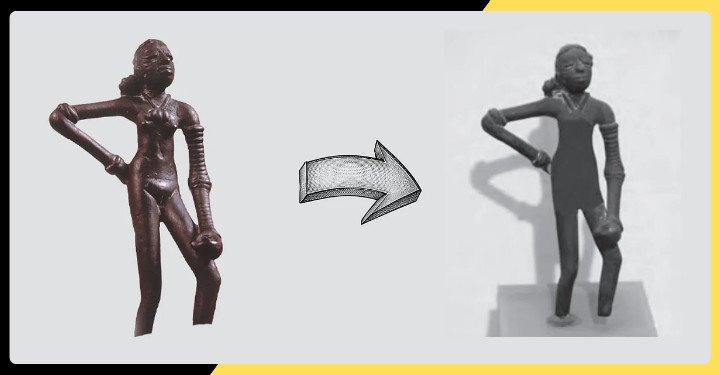
The National Council of Educational Research and Training (NCERT) has introduced a revised presentation of the iconic Harappan “Dancing Girl” sculpture in its newly released Class 9 art textbook, sparking discussion among educators, historians, and cultural observers. The bronze figurine, discovered at the archaeological site of Mohenjo-daro, is one of the most recognizable artifacts of the Indus Valley Civilization and has long been featured in educational materials across India.

The updated textbook reportedly presents the image of the sculpture with additional shading, a visual modification that has drawn attention because of the artifact’s cultural and historical significance. The Dancing Girl, estimated to be over 4,000 years old, is celebrated for its artistic sophistication and serves as an important example of the advanced craftsmanship of the Indus Valley Civilization. Measuring only about 10.5 centimeters in height, the figurine depicts a young female figure standing confidently with one hand on her hip and adorned with numerous bangles.

Supporters of the revised image argue that visual enhancements such as shading may be intended to improve image quality, provide better contrast for printed textbooks, or make details more visible to students. Textbook designers often adjust images to ensure they reproduce clearly on paper and remain accessible to readers. In educational publishing, such modifications are not uncommon, especially when original photographs require optimization for classroom use.

However, critics have questioned whether altering the appearance of a historically significant artifact could affect students’ perception of the original object. Some historians and art scholars believe that educational materials should present archaeological discoveries as accurately as possible to preserve their authenticity. They argue that even minor visual changes can influence how students understand historical artifacts and their original characteristics.

The debate surrounding the revised image highlights broader discussions about the representation of cultural heritage in school curricula. Educational institutions frequently face the challenge of balancing pedagogical requirements with historical accuracy. Visual presentation plays an important role in helping students engage with ancient civilizations, but it also carries the responsibility of maintaining fidelity to historical evidence.

The Dancing Girl remains one of the most celebrated symbols of the Indus Valley Civilization, a society known for its urban planning, drainage systems, trade networks, and artistic achievements. Since its discovery in 1926 by archaeologist Ernest Mackay, the figurine has fascinated researchers and the general public alike. Its confident posture and intricate detailing have led many scholars to regard it as a masterpiece of early metalworking.

NCERT’s revised textbook comes amid ongoing efforts to update educational content in line with changing academic frameworks and curriculum goals. Such revisions often attract public attention because school textbooks play a significant role in shaping students’ understanding of history, culture, and art. Any modification involving prominent historical artifacts is therefore likely to generate discussion among stakeholders.

As conversations continue, experts emphasize the importance of encouraging students to explore original archaeological sources and museum collections whenever possible. Access to authentic images and contextual information can help learners develop a deeper appreciation of India’s ancient heritage. At the same time, textbook designers must ensure that educational materials remain visually engaging and accessible.

The discussion surrounding the Dancing Girl image ultimately reflects the enduring importance of historical artifacts in contemporary education. Whether viewed as a practical design adjustment or a matter of historical representation, the issue has renewed interest in one of the most iconic creations of the ancient world and highlighted the continuing relevance of cultural heritage in the classroom.

Democrats Demand Details as Trump Allies Celebrate Announced Iran Peace Agreement

0

The announcement of a proposed peace agreement between the United States and Iran has triggered sharply different reactions across Washington, with President Donald Trump’s allies praising the development as a major diplomatic achievement while Democrats call for greater transparency about the deal’s terms.

Supporters of the administration have framed the agreement as a significant breakthrough after months of heightened tensions and military confrontation. Republican lawmakers and conservative commentators argue that the deal demonstrates Trump’s ability to combine military pressure with diplomacy. They contend that the administration has succeeded in bringing Iran to the negotiating table while safeguarding American interests and reducing the risk of a prolonged conflict in the Middle East. Several Trump allies have described the framework as a historic opportunity to restore stability to a region that has faced escalating violence and uncertainty.

The agreement reportedly includes a ceasefire framework, the reopening of the Strait of Hormuz, and a commitment by both sides to continue negotiations on key issues such as sanctions relief and Iran’s nuclear activities. While supporters view these developments as evidence of successful statecraft, critics note that many details remain unclear. Questions persist about enforcement mechanisms, verification procedures, and the specific obligations each side will undertake during the next phase of talks.

Democratic lawmakers have responded with caution rather than celebration. Many have emphasized that Congress and the American public deserve a full explanation of the agreement before drawing conclusions about its effectiveness. Several Democrats have pointed to previous announcements regarding negotiations with Iran that evolved significantly over time, arguing that transparency is essential to assessing whether the deal genuinely advances U.S. national security interests. Some lawmakers have requested classified briefings and detailed documentation outlining the commitments made by both governments.

Beyond questions of transparency, Democrats are also seeking clarity on unresolved issues. Reports indicate that matters involving Iran’s missile program, regional influence, and long-term nuclear restrictions may remain under discussion rather than being fully addressed in the initial agreement. Critics argue that any lasting peace arrangement must tackle these concerns directly to prevent future crises. They also want assurances that sanctions relief, if granted, will be tied to verifiable actions by Iran rather than broad political commitments.

The debate reflects broader divisions in Washington regarding U.S. policy toward Iran. While many Republicans view the framework as a pragmatic step toward ending hostilities, some foreign policy hawks within the party have also expressed reservations. They fear that the agreement may not sufficiently constrain Iran’s military and nuclear capabilities and could provide Tehran with economic benefits without securing lasting concessions. These concerns highlight that skepticism about the deal extends beyond partisan lines.

International observers are also closely monitoring the situation. Global leaders and organizations have largely welcomed efforts to reduce tensions, particularly given the conflict’s impact on regional security and global energy markets. The reopening of critical shipping routes and the prospect of sustained negotiations have been viewed as positive developments, although many experts caution that the agreement remains fragile until its provisions are formally implemented and verified.

As the administration prepares for the next phase of negotiations, the political debate is likely to intensify. Trump allies are expected to continue promoting the agreement as evidence of effective leadership, while Democrats will press for answers regarding its substance, oversight, and long-term implications. Whether the framework ultimately becomes a durable peace settlement or merely a temporary pause in hostilities will depend on the negotiations that follow and the willingness of both sides to fulfill their commitments.

For now, the announcement has created a rare moment where optimism and skepticism coexist. Supporters see the possibility of a diplomatic breakthrough, while critics insist that only full disclosure and careful scrutiny can determine whether the agreement truly serves American interests and contributes to lasting regional stability.

Noida International Airport Opens to Passengers, Marking a New Era in Indian Aviation

0

The launch of passenger operations at Noida International Airport represents a landmark moment in India’s rapidly expanding aviation sector. With the first commercial IndiGo flight arriving from Lucknow, the airport has officially entered the country’s growing network of major air travel hubs. The inauguration is not merely the opening of another airport; it reflects India’s broader ambitions to improve connectivity, support economic growth, and create world-class transportation infrastructure.

Located in Jewar, Uttar Pradesh, Noida International Airport has been envisioned as a strategic solution to rising passenger demand in the National Capital Region. Existing airports, particularly Delhi’s Indira Gandhi International Airport, have witnessed significant growth over the years. As passenger numbers continue to increase, the need for additional capacity has become increasingly evident. The new airport is expected to ease congestion while providing travelers with a modern and efficient alternative.

The arrival of the first IndiGo flight from Lucknow carried symbolic significance. It demonstrated the airport’s readiness to handle scheduled commercial services and highlighted the importance of regional connectivity. Lucknow, as the capital city of Uttar Pradesh, shares strong economic and social ties with the NCR. The route is expected to attract business travelers, tourists, and families seeking convenient travel options.

Passengers arriving at the airport experienced modern facilities designed to improve the travel experience. Advanced check-in systems, spacious terminals, efficient baggage handling, and passenger-friendly services are among the features intended to position the airport among the country’s leading aviation gateways. Authorities have emphasized sustainability as a key component of the project, incorporating environmentally conscious practices into the airport’s design and operations.

The airport’s impact extends beyond aviation. Infrastructure projects of this scale often become catalysts for regional development. Improved connectivity can attract investments, encourage industrial growth, and generate employment opportunities. Businesses frequently choose locations with strong transportation networks, and the presence of a major international airport can significantly enhance a region’s attractiveness.

For Noida, Greater Noida, and surrounding districts, the airport is expected to accelerate economic activity. Real estate developers, logistics companies, hospitality businesses, and retail operators are likely to benefit from increased passenger movement and commercial activity. The airport may also strengthen Uttar Pradesh’s position as an important economic destination within India.

Government officials and industry stakeholders have described the launch as a significant achievement resulting from years of planning, coordination, and construction efforts. The successful commencement of passenger flights demonstrates the completion of critical infrastructure and operational preparedness. As more airlines begin services and additional routes are introduced, passenger traffic is expected to rise steadily.

The airport’s long-term vision includes becoming a major domestic and international gateway. Future expansion plans aim to increase capacity and support growing demand over the coming decades. Enhanced connectivity to global destinations could further strengthen the airport’s role in facilitating trade, tourism, and international business relationships.

The first IndiGo flight from Lucknow marks only the beginning of what is expected to be a transformative chapter for the region. As operations expand and passenger numbers grow, Noida International Airport is poised to play a crucial role in shaping the future of Indian aviation. Its opening symbolizes progress, ambition, and the country’s commitment to building infrastructure capable of supporting long-term economic and social development.

The Growing Presence of Indians in the United Kingdom

0

The Indian community has become an integral part of British society over the decades. Today, people of Indian origin contribute significantly to the UK’s economy, healthcare system, educational institutions, and cultural landscape. Thousands of young Indians continue to move to Britain every year in search of academic and professional opportunities.

Many Indian students choose British universities because of their international reputation and strong career prospects. Others migrate through skilled worker programs, business opportunities, or family connections. This trend has contributed to the steady growth of the Indian population across the UK.

The success stories of Indian migrants are numerous. Indian-origin professionals can be found in fields such as medicine, engineering, technology, finance, and public administration. Many have achieved remarkable accomplishments while maintaining strong cultural ties to their heritage.

However, migration also comes with challenges. Adapting to a new environment, understanding different cultural norms, and building support networks can be difficult. Young migrants may experience homesickness, financial pressures, and social isolation during their early years abroad.

The death of Gurbhej Singh has highlighted the vulnerability that some migrants may face. While the vast majority of Indians in the UK live safely and successfully, incidents of violence can generate concern among families considering international migration.

Community organizations play a crucial role in helping newcomers adjust to life in Britain. They provide guidance, cultural connections, and practical support that can ease the transition. Such networks often become an important source of comfort and assistance for migrants living far from home.

As the Indian community continues to grow and thrive in the UK, the focus remains on creating safe, inclusive environments where individuals can pursue their goals and contribute positively to society. The tragedy involving Gurbhej Singh serves as a reminder of the importance of protecting and supporting all members of the community.

Tragic AN-32 Crash Claims Five Indian Air Force Personnel

0

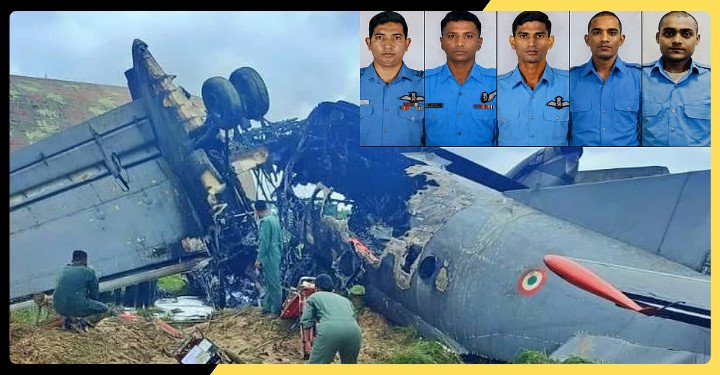
The Indian Air Force (IAF) suffered a tragic loss when an AN-32 transport aircraft crashed near Jorhat in Assam, resulting in the deaths of five personnel on board. The accident sent shockwaves across the defense community and the nation, highlighting the risks faced by military personnel during routine and operational flights. The aircraft was reportedly on a scheduled mission when it encountered difficulties, leading to the fatal crash.

The AN-32 has been a key component of the Indian Air Force’s transport fleet for decades. Designed to operate in challenging terrains and weather conditions, the aircraft is widely used for logistical support, troop transportation, and supply missions. However, despite its reliability, aviation accidents remain a possibility due to technical failures, adverse weather, or operational complexities.

Immediately after the incident, rescue teams and local authorities rushed to the crash site. Emergency response units worked tirelessly to recover the wreckage and search for survivors. Unfortunately, all five personnel aboard the aircraft were confirmed dead. Their sacrifice and dedication to duty were widely acknowledged by military officials and government leaders.

The tragedy also raised questions regarding flight safety and aircraft maintenance procedures. Defense experts emphasized the importance of a thorough investigation to determine the exact cause of the accident. Such inquiries are critical not only for accountability but also for preventing similar incidents in the future.

The nation mourned the loss of the air warriors, with tributes pouring in from across the country. Senior military officers, political leaders, and citizens expressed condolences to the families of the deceased. The incident served as a reminder of the immense commitment and courage displayed by members of the armed forces in carrying out their responsibilities.

As investigations commenced, attention focused on understanding the sequence of events leading to the crash. Findings from the inquiry are expected to provide valuable insights into operational safety measures and potential improvements in military aviation protocols.

While Washington and Tehran Talk Peace, Indian Seafarers Pay the Price

0

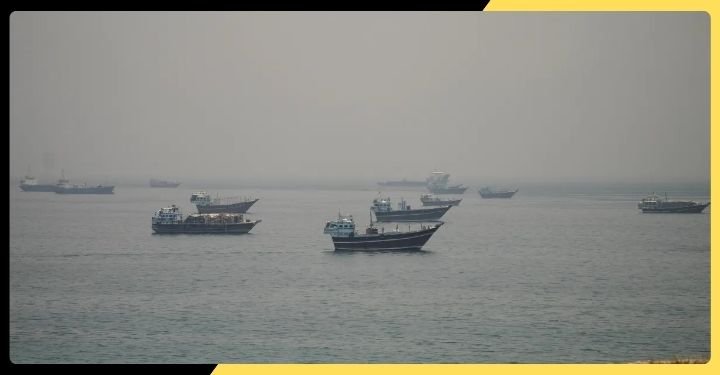
Diplomatic statements often speak the language of peace, stability, and de-escalation. When the United States and Iran signal a willingness to reduce tensions, global markets react positively, governments welcome the development, and analysts speculate about the future of regional security. Yet for thousands of Indian seafarers working aboard commercial vessels in the Gulf region, diplomatic optimism does not necessarily translate into personal safety.

The Persian Gulf remains one of the most strategically important regions in the world. It is the gateway for a significant portion of global oil exports, making it essential to international trade and energy security. At the center of this maritime network lies the Strait of Hormuz, a narrow waterway that has repeatedly become a flashpoint during periods of geopolitical confrontation.

Indian sailors occupy a unique position within this global system. India supplies one of the largest pools of maritime professionals worldwide. These men and women serve aboard tankers, cargo vessels, container ships, and support vessels operating across international waters. Their work keeps global trade moving, often under demanding and hazardous conditions.

Whenever tensions rise between major powers, merchant ships become vulnerable. Although commercial vessels are civilian assets, they can be affected by military operations, sanctions enforcement, naval patrols, or attacks targeting strategic infrastructure. In such situations, seafarers find themselves on the front lines of conflicts that have little to do with them personally.

The contrast between diplomatic negotiations and maritime realities is striking. Political leaders may announce progress at the negotiating table, but ships continue to navigate waters where uncertainty remains high. Military forces maintain a strong presence, intelligence operations continue, and the possibility of miscalculation persists.

For Indian seafarers, every voyage through the Gulf involves a degree of risk. Captains and crews must remain alert to changing security conditions while fulfilling their professional responsibilities. The pressure is considerable, particularly during periods of heightened tension when vessels may receive warnings about potential threats.

Families back home often share this burden. Many seafarers come from coastal communities where maritime employment has provided economic opportunities for generations. The income earned at sea supports education, healthcare, housing, and countless family aspirations. Every news report about an incident in the Gulf generates anxiety among loved ones waiting for updates.

The economic significance of Indian seafarers cannot be overstated. Their contribution extends beyond shipping companies and international trade. Through remittances and professional expertise, they play a valuable role in India’s economic development. Yet despite their importance, their safety concerns frequently receive less attention than broader geopolitical developments.

Governments have a responsibility to address this gap. Diplomatic engagement should include discussions about protecting civilian maritime workers and ensuring safe navigation in conflict-prone waters. International cooperation can help establish mechanisms that reduce risks to commercial shipping and enhance emergency response capabilities.

Shipping companies must also prioritize crew welfare. Security training, crisis management protocols, and mental health support should be integral components of maritime operations. Seafarers deserve comprehensive protection, not only from physical threats but also from the psychological stresses associated with working in unstable regions.

The story of Indian seafarers highlights a larger truth about international conflicts. The consequences of geopolitical rivalry often fall on ordinary workers who have no influence over political decisions. Their experiences reveal the human dimension behind headlines about diplomacy, sanctions, and military strategy.

As Washington and Tehran continue their complex relationship, policymakers should remember that their actions affect lives far beyond government institutions and military establishments. Every decision carries implications for individuals working aboard ships, transporting goods, and sustaining the global economy.

Peace should not be measured solely by the absence of open conflict between states. It should also be measured by the safety and security of civilians whose livelihoods depend on stability. Until Indian seafarers can perform their duties without fear of becoming collateral victims of geopolitical disputes, the promise of peace will remain incomplete.

Their sacrifices deserve recognition, their concerns deserve attention, and their safety deserves priority. The world depends on their labor. It should also be committed to their protection.

Mahua Moitra Says Mamata Banerjee Remains the Driving Force Behind TMC’s Success

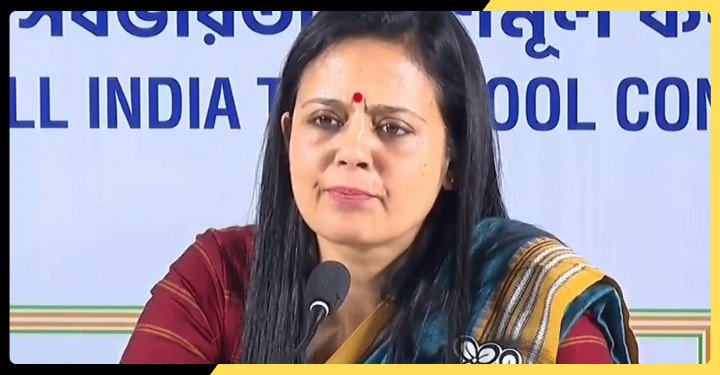
Trinamool Congress (TMC) leader Mahua Moitra has once again reaffirmed her unwavering loyalty to West Bengal Chief Minister and party supremo Mamata Banerjee, stating that the party derives its legitimacy and strength from her leadership. Her remarks come at a time when political discussions surrounding the future leadership of the TMC have intensified, with speculation emerging over the roles of various senior leaders within the party.

Moitra’s statement underscores the central position Mamata Banerjee continues to occupy within the Trinamool Congress. Since founding the party in 1998 after breaking away from the Indian National Congress, Banerjee has transformed the TMC from a regional political outfit into one of India’s most influential state-based parties. Her leadership has been instrumental in reshaping West Bengal’s political landscape, culminating in the historic defeat of the Left Front government in 2011 after more than three decades in power.

Speaking about the party’s organizational structure and political identity, Moitra emphasized that Mamata Banerjee’s vision and leadership remain the foundation upon which the TMC stands. According to Moitra, the party’s connection with the people of West Bengal is largely a reflection of the trust and credibility that Banerjee has built over decades of political engagement.

Political observers note that such statements are significant given the evolving dynamics within the TMC. Over the years, several leaders have risen to prominence within the party, contributing to its electoral success and organizational expansion. However, Mamata Banerjee continues to be regarded as the party’s most influential figure, enjoying widespread support among party workers and voters alike.

Moitra’s remarks also serve as a response to ongoing political narratives that seek to portray divisions or competing centers of power within the TMC. By clearly asserting that the party’s legitimacy stems from Banerjee’s leadership, Moitra reinforced the message of organizational unity and discipline. Such declarations are often viewed as important signals within political parties, especially when discussions about succession, leadership transition, or internal hierarchy emerge.

The Trinamool Congress has experienced substantial growth under Banerjee’s stewardship. Apart from securing repeated electoral victories in West Bengal, the party has expanded its footprint beyond the state and sought to establish itself as a significant player in national politics. Throughout this journey, Banerjee’s image as a grassroots leader and champion of regional aspirations has remained central to the party’s appeal.

Mahua Moitra herself has emerged as one of the TMC’s most recognizable national voices. Known for her articulate speeches and outspoken political positions, she has often defended the party’s policies and leadership on national platforms. Her latest comments further demonstrate her alignment with the party’s core leadership and ideological direction.

Analysts suggest that Moitra’s endorsement of Banerjee reflects a broader sentiment within the party. For many TMC supporters, Mamata Banerjee is not merely an organizational leader but also the symbol of the party’s political struggle and achievements. Her personal political journey—from grassroots activism to becoming one of India’s most influential regional leaders—continues to inspire party workers and supporters.

The significance of Banerjee’s leadership was particularly evident during recent electoral contests, where her campaign strategy and direct engagement with voters played a critical role in securing victories for the party. Her ability to connect with diverse sections of society has helped the TMC maintain a strong political presence despite challenges from rival parties.

Moitra’s comments may also be interpreted as an effort to reinforce the party’s focus on collective goals rather than internal debates. Political organizations often face scrutiny regarding leadership structures and future succession plans. By emphasizing Banerjee’s continuing relevance and authority, Moitra sought to project stability and continuity within the TMC.

As political activity intensifies ahead of future electoral battles, statements from senior leaders are likely to be closely watched by both supporters and opponents. For the Trinamool Congress, maintaining a united front remains crucial as it seeks to consolidate its position in West Bengal and strengthen its influence on the national stage.

Ultimately, Mahua Moitra’s remarks highlight a reality that many within the party acknowledge: Mamata Banerjee remains the defining force behind the Trinamool Congress. Her leadership, political vision, and enduring connection with the electorate continue to shape the party’s identity and direction. As the TMC navigates future challenges and opportunities, Banerjee’s role is expected to remain central to its political narrative and organizational strength.

Belfast Erupts in Violence as Protesters Set Cars and Buildings Ablaze Following Knife Attack

0

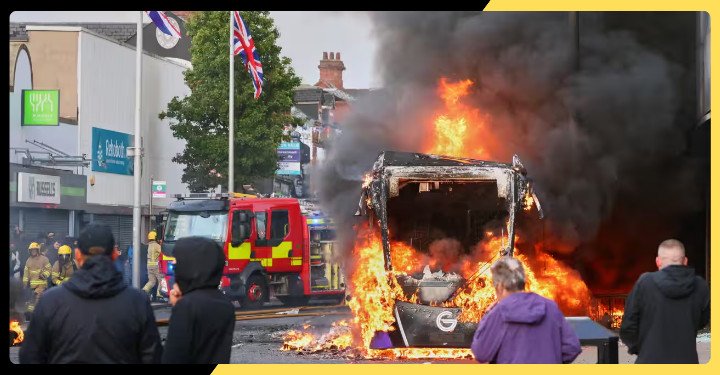
BELFAST — A wave of unrest swept through Belfast as protesters took to the streets following a knife attack that shocked local communities and ignited intense public reaction. What began as a demonstration over concerns surrounding the incident quickly escalated into violent confrontations, with vehicles set on fire, buildings damaged, and emergency services deployed across several parts of the city.

Witnesses described scenes of chaos as groups of demonstrators gathered in large numbers, expressing anger and frustration over the stabbing incident. As tensions rose throughout the evening, some individuals broke away from the main crowd and engaged in acts of vandalism and arson. Several cars were reportedly torched, sending thick plumes of smoke into the night sky, while damage was also reported to commercial and residential properties.

Police officers were dispatched in significant numbers to restore order and prevent further destruction. Authorities established cordons around affected areas and urged residents to avoid locations where disturbances were ongoing. Firefighters worked for hours to extinguish multiple blazes, while ambulance crews remained on standby in case of injuries.

Local officials condemned the violence, stressing that criminal acts could not be justified regardless of the circumstances surrounding the original attack. Community leaders called for calm and encouraged residents to allow law enforcement agencies to conduct a thorough investigation into the stabbing. Many expressed concern that the unrest could deepen divisions and create additional challenges for already strained communities.

The knife attack that sparked the protests remains under investigation. Authorities have not released full details regarding the suspect or motive, citing the need to preserve the integrity of the inquiry. Police officials urged the public to avoid speculation and to rely on verified information from official sources.

Residents living near the affected areas reported feeling frightened as disturbances unfolded. Some business owners arrived the following morning to find shattered windows, burned vehicles, and damage to storefronts. Several expressed concern about the economic impact of the unrest, particularly as businesses continue to navigate broader financial pressures.

Political representatives from across the spectrum issued statements condemning both the knife attack and the subsequent violence. They emphasized the importance of maintaining public order while ensuring that justice is pursued through legal channels. Calls were also made for constructive dialogue aimed at addressing community concerns and preventing future outbreaks of disorder.

Security experts noted that emotionally charged incidents can sometimes act as catalysts for larger demonstrations, particularly when public trust is strained or misinformation spreads rapidly online. Analysts warned that social media can accelerate tensions by amplifying rumors and unverified claims, making it more difficult for authorities to manage public sentiment.

Community organizations began outreach efforts aimed at reducing tensions and encouraging peaceful engagement. Religious leaders, youth groups, and local charities urged residents to reject violence and focus on supporting those directly affected by the stabbing incident. Several organizations announced plans to host meetings and forums where concerns could be discussed in a controlled and constructive environment.

Meanwhile, investigators continued gathering evidence related to both the knife attack and the subsequent disturbances. Police confirmed that they were reviewing surveillance footage and seeking witnesses who may have information about those involved in acts of vandalism and arson. Officials indicated that arrests could follow as evidence is analyzed.

The events have reignited discussions about public safety, community relations, and the challenges facing urban centers when high-profile criminal incidents occur. Observers noted that while public anger is understandable in the aftermath of a violent crime, maintaining peace and allowing due process to unfold remains essential.

As Belfast begins assessing the damage caused by the unrest, authorities face the dual challenge of investigating the original knife attack while also holding accountable those responsible for the destruction that followed. City leaders have pledged support for affected residents and businesses, emphasizing that recovery efforts will begin immediately.

For now, many residents hope the city can move beyond the violence and focus on healing, justice, and community stability in the days ahead.

Patna Court Grants Interim Relief to Khan Sir, Stays Arrest in Coaching Centre Firing Case

0

The Patna court has provided interim relief to well-known educator and coaching institute operator Khan Sir by staying his arrest in connection with a coaching centre firing case. The development marks a significant turn in a matter that has attracted widespread public attention due to Khan Sir’s popularity among students across India.

The case relates to an alleged firing incident linked to a coaching centre in Patna. Authorities initiated an investigation after reports surfaced regarding violence and disturbances associated with the institution. During the course of the probe, Khan Sir’s name reportedly emerged, prompting legal proceedings and concerns regarding possible arrest.

Seeking protection from arrest, Khan Sir approached the court through his legal team. The petition argued that the educator had been wrongly implicated and that there was insufficient evidence to justify immediate custodial action. Lawyers representing him emphasized his cooperation with investigators and highlighted his public reputation as an educator dedicated to student welfare.

After hearing arguments from both sides, the court granted interim relief and ordered a stay on arrest. The decision does not amount to a declaration of innocence but provides temporary protection while legal proceedings continue. The court is expected to review additional evidence and submissions before making further determinations.

Legal experts note that such relief is often granted when courts believe that immediate arrest may not be necessary for the investigation. It also ensures that the rights of the accused are protected while allowing authorities to continue gathering evidence.

The case has generated significant public interest due to Khan Sir’s massive online following. Known for his simple teaching methods and affordable educational content, he has become one of the most recognized educators in the country. News of the case led to intense discussions on social media, with supporters expressing confidence in the judicial process.

Meanwhile, investigators continue to examine witness statements, documentary evidence, and other materials connected to the alleged incident. Officials have maintained that the investigation is being conducted impartially and that all relevant facts will be examined.

Supporters of Khan Sir welcomed the court’s order, describing it as an important step toward ensuring fairness. Many students and followers have urged people to avoid speculation until the legal process is completed. At the same time, legal observers stress that the stay on arrest should not be interpreted as a final verdict.

The prosecution is expected to present its findings in future hearings. Depending on the evidence collected, authorities may seek further legal remedies, while the defense is likely to continue challenging allegations against the educator.

The incident has also sparked broader conversations about safety and security within educational institutions. Experts argue that any allegation involving violence at coaching centres should be thoroughly investigated to maintain public trust and ensure student safety.

As the case progresses, attention will remain focused on the courtroom proceedings. The temporary stay on arrest provides Khan Sir with immediate relief, but the legal battle is far from over. Future hearings are expected to clarify the direction of the investigation and determine the next steps in the matter.

For now, the court’s intervention has offered a temporary reprieve, underscoring the judiciary’s role in balancing investigative requirements with individual rights. The outcome of the case will likely have implications not only for those directly involved but also for public perceptions surrounding accountability and due process in high-profile cases.

NEET-UG 2026 Retest Scheduled for June 21; Indian Air Force to Ensure Secure Question Paper Delivery

The National Eligibility cum Entrance Test (NEET-UG) 2026 retest has become a significant development in India’s medical education landscape. Authorities have announced that the examination will be conducted on June 21, with the Indian Air Force (IAF) playing a crucial role in transporting question papers to examination centers across the country. The decision reflects the government’s commitment to ensuring transparency, security, and fairness in one of India’s most competitive entrance examinations.

The involvement of the IAF comes amid heightened concerns regarding examination security and logistics. Given the importance of NEET-UG for aspiring medical students, authorities are taking extraordinary measures to prevent any possibility of paper leaks, tampering, or delays. The use of military-grade transportation systems is expected to strengthen confidence among students, parents, and educational institutions.

Officials have stated that question papers will be transported under strict supervision and monitored through advanced security protocols. The process will involve coordination between the National Testing Agency (NTA), defense authorities, and local administration to guarantee smooth distribution.

For thousands of students appearing for the retest, the announcement provides reassurance that the examination process will be conducted with integrity. Experts believe that such measures could become a benchmark for future high-stakes examinations in India.

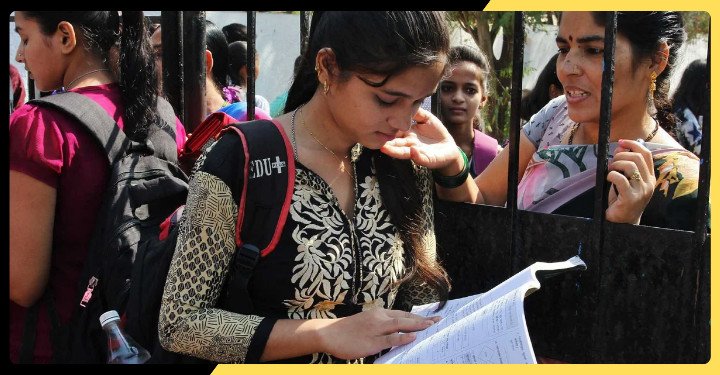
The June 21 retest will offer eligible candidates another opportunity to demonstrate their academic capabilities. Students have been advised to continue their preparation and regularly check official notifications for updates regarding admit cards, examination centers, and guidelines.

Educational experts have welcomed the move, emphasizing that credibility is essential for maintaining public trust in national examinations. By involving the Indian Air Force, authorities are sending a strong message that examination security remains a top priority.

As the examination date approaches, students, parents, and educators will closely monitor developments. The successful conduct of the retest could pave the way for stronger examination management systems in the future, ensuring fairness and equal opportunity for all candidates.

Hai Jawani Toh Ishq Hona Hai Review : Bring Spark to David Dhawan’s Signature Madness

David Dhawan’s Familiar Playground
David Dhawan returns to his most recognisable cinematic territory with Hai Jawani Toh Ishq Hona Hai, a romantic comedy that thrives on exaggeration, colourful characters, and unapologetically loud comic rhythm. Produced by Ramesh Taurani and written by Yunus Sajawal with dialogues by Farhad Samji, the film does not attempt to reinvent the rom‑com genre. Instead, it embraces the familiar grammar of misunderstandings, overlapping lies, and comic set pieces that Dhawan has perfected over decades.

The story revolves around Jass (Varun Dhawan) and Baani (Mrunal Thakur), a married couple whose relationship begins to crack under clashing priorities. Their marriage is not presented as a melodramatic tragedy but as a restless battlefield where love exists alongside ego, career choices, and immaturity. When Jass walks away from the marriage, the film uses that decision as the trigger for its central comic spiral.

Preet (Pooja Hegde) enters the picture, bringing glamour and a different emotional energy. Jass must confront his feelings for Preet while grappling with the unresolved weight of his relationship with Baani. The narrative leans into revelations, public embarrassments, and family gatherings, creating a chain of comic chaos. Dhawan’s direction ensures the pacing remains brisk, with humour depending on rhythm rather than realism.

Performances – Energy, Balance and Charm
Varun Dhawan is comfortably placed in a world that suits his physical energy and comic timing. As Jass, he blends boyish charm with impatience and performative confidence. His quick reactions and exaggerated panic fit the film’s register, and he shines most when cornered by his own foolishness. While some moments feel broader than necessary, Varun’s instinct for comedy keeps the character engaging.

Mrunal Thakur provides balance as Baani. In a film that often leans toward chaos, she brings dignity and grounded presence. Her controlled performance ensures Baani is not reduced to a wronged spouse. Scenes with Varun carry the texture of a relationship marked by fatigue, history, and lingering affection.

Pooja Hegde as Preet adds glamour and brightness but also warmth and self‑belief. She could have been reduced to a narrative complication, yet her screen presence makes Preet engaging. Her chemistry with Varun has a playful quality, fitting seamlessly into the film’s high‑energy space.

The supporting cast amplifies the comedy. Maniesh Paul delivers sharp timing, Chunky Panday and Rakesh Bedi embrace broad humour, Jimmy Shergill lends weight, and Mouni Roy adds flair. Johny Lever and Rajpal Yadav invoke nostalgic comic timing, ensuring the ensemble contributes to the film’s rhythm.

Technicals – Writing, Visuals and Music
The screenplay by Yunus Sajawal follows a familiar structure, with romance, comedy, songs, and reconciliation moving in expected order. Its strength lies in density—new complications are added before earlier ones settle, giving the film restless energy. However, emotional beats sometimes feel rushed, particularly in exploring Jass and Baani’s troubled marriage.

Farhad Samji’s dialogues are built for immediate impact. Some lines land with snap and silliness, while others feel deliberately loud. Subtlety is not the ambition here; humour emerges from panic and embarrassment rather than quiet wit.

Ayananka Bose’s cinematography keeps the film visually polished and glossy. Frames favour colour, movement, and star presence, supporting the aspirational mood of a mainstream rom‑com. Ritesh Soni’s editing maintains pace, though transitions occasionally feel hurried when shifting from comedy to sentiment.

Music, composed by multiple names including Tanishk Bagchi, Javed Mohsin, Rony Ajnali, Gill Machhrai, and Akshay IP, functions as part of the film’s festive design. Songs maintain energy and visual appeal rather than deepen narrative. Raju Singh’s background score underlines confusion and romance with directness, suiting the genre.

Analysis – Dhawan’s Controlled Chaos
David Dhawan directs Hai Jawani Toh Ishq Hona Hai like a filmmaker returning to a house whose furniture he knows by touch. His command over farce is visible in crowded scenes where multiple characters enter and exit with competing motives. The film works best when it stops justifying its absurdity and simply lets the comic machinery run.

The narrative strength lies in its refusal to slow down. While the central conflict is conventional, momentum keeps the film breezy. At times, this helps accessibility; at others, emotional complexity is simplified for punchlines. Still, Jass’s journey is written as flawed rather than heroic, making the arc about consequences of carelessness rather than a simple love triangle.

The film’s thematic depth is modest but present. Beneath the madness, it explores immaturity in commitment and how love without responsibility becomes performance. Dhawan’s instinct for mainstream entertainment remains intact, turning domestic tension into theatrical confusion.
Verdict and Box Office Outlook
Hai Jawani Toh Ishq Hona Hai is an old‑school David Dhawan entertainer that knows its strengths and rarely steps outside them. Loud, colourful, occasionally messy but frequently amusing, it thrives on confusion, music, star appeal, and family‑friendly madness.

Critics have rated it 3.5/5, acknowledging its spark despite formulaic limitations. Viewers seeking sharper examinations of marriage may find it convenient, but as mainstream comedy, it delivers consistent watchability.

Box Office Prediction:
Opening Weekend (India): ₹40–50 crore (nett)

Lifetime (India): ₹120–150 crore (nett), depending on word‑of‑mouth.

Overseas Potential: Strong in UAE and UK due to Varun Dhawan’s youth connect and David Dhawan’s nostalgic brand.

The film’s biggest achievement is reviving a style of Hindi comedy without making it feel frozen in the past. Performances and pace keep the experience afloat, proving Dhawan’s brand of controlled chaos still has popular appeal when handled with conviction.

Abhijeet Dipke Stands with Students as Jantar Mantar Protest Gains Momentum

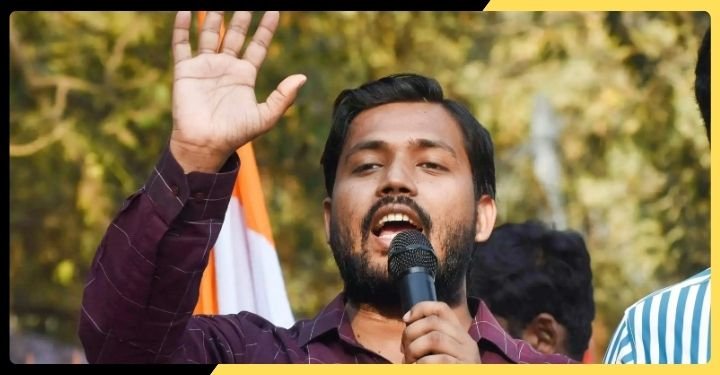
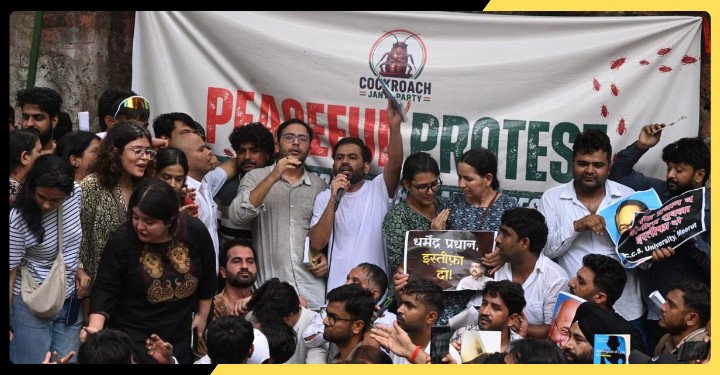
A significant gathering of students and young activists unfolded at Jantar Mantar as social activist Abhijeet Dipke joined demonstrators demanding greater accountability and policy reforms. The protest, organized under the banner of the Cockroach Janta Party, attracted participants from various educational institutions and youth organizations.

As crowds assembled in the heart of the national capital, slogans calling for transparency, employment opportunities, and educational reforms echoed across the protest site. The arrival of Abhijeet Dipke energized the gathering, with supporters welcoming his participation as a symbol of solidarity with youth concerns.

Speaking to attendees, Dipke emphasized the importance of democratic engagement and peaceful expression. He highlighted the role of young citizens in shaping public discourse and urged authorities to listen to the voices emerging from campuses and communities across the country.

Throughout the day, participants carried placards and banners reflecting diverse concerns, ranging from job creation and educational access to broader social justice issues. Organizers described the event as a platform for constructive dialogue and civic participation.

Observers noted that the protest remained largely peaceful, with volunteers coordinating crowd management and ensuring that demonstrations followed established guidelines. The event also attracted attention on social media, where hashtags related to the protest began trending among student groups and activists.

The gathering at Jantar Mantar demonstrates the growing involvement of youth in public affairs. Whether the movement translates into policy discussions remains to be seen, but the turnout signals a strong desire among participants to engage directly with issues affecting their future.

Deadly Delhi Blaze Claims 21 Lives, Including Foreign Nationals

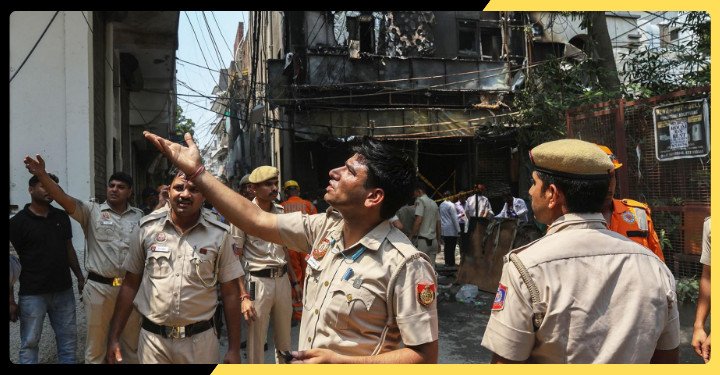
A devastating fire in Delhi has resulted in the deaths of at least 21 people, including several foreign nationals, making it one of the deadliest fire incidents reported in the city in recent years. The blaze broke out during the early hours, catching many occupants off guard as flames rapidly spread through the structure. Emergency responders rushed to the scene after receiving distress calls from residents and witnesses who reported thick smoke and intense flames engulfing the building.

According to officials, firefighters faced significant challenges in controlling the fire due to the intensity of the blaze and the layout of the building. Multiple fire engines and rescue teams were deployed to contain the situation and evacuate those trapped inside. Despite their efforts, many victims succumbed to smoke inhalation and severe burn injuries before they could be rescued.

Authorities confirmed that among the deceased were foreign nationals who were staying in the building at the time of the incident. Their identities are being verified, and embassies have been informed to assist with notification procedures and support for affected families. The presence of international victims has drawn attention from diplomatic missions and foreign governments seeking information about the tragedy.

Investigators have begun examining the cause of the fire. Preliminary findings suggest that an electrical fault may have triggered the blaze, although officials have not ruled out other possibilities. Forensic teams are collecting evidence from the site to determine the exact sequence of events that led to the disaster.

The incident has reignited concerns about fire safety compliance in densely populated urban areas. Safety experts argue that many buildings continue to operate without adequate fire prevention systems, emergency exits, or regular inspections. Authorities have announced a review of fire safety standards and enforcement measures to prevent similar incidents in the future.

Local residents expressed shock and grief as news of the tragedy spread throughout the city. Many gathered near the site to offer assistance and support to survivors and rescue personnel. Hospitals in the area treated several injured individuals, some of whom remain in critical condition.

Government officials conveyed condolences to the families of the victims and assured the public that a thorough investigation would be conducted. Compensation packages for affected families are also under consideration. The tragedy serves as a stark reminder of the importance of strict safety regulations and preparedness measures in preventing loss of life during emergencies.

As rescue and recovery operations continue, authorities remain focused on identifying victims, supporting survivors, and uncovering the factors that contributed to the devastating fire. The incident has left the city mourning and raised urgent questions about infrastructure safety and emergency response readiness.

CBSE Activates Portal for Marks Verification and Re-evaluation Requests

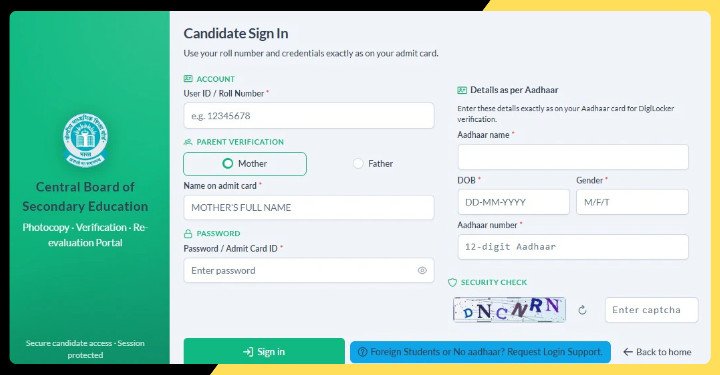
The Central Board of Secondary Education (CBSE) has officially opened its online portal for students seeking verification of marks and re-evaluation of their answer sheets. This development comes shortly after the declaration of board examination results, offering candidates an opportunity to review their scores and address any concerns regarding the evaluation process.

The verification and re-evaluation process is an important mechanism that ensures transparency and accuracy in the assessment system. Students who believe there may have been errors in totaling marks, omissions in evaluation, or discrepancies in the recorded scores can now submit applications through the designated online portal. The process is designed to help students gain confidence in the fairness of their examination results.

According to CBSE guidelines, the verification process generally involves checking whether all answers have been assessed, ensuring that marks have been correctly totaled, and confirming that the final marks have been accurately entered. If students remain unsatisfied after verification, they may proceed with obtaining photocopies of evaluated answer books and subsequently request re-evaluation of specific answers.

Education experts emphasize that students should carefully review their marks before applying for verification or re-evaluation. While the process can potentially lead to an increase in marks, it may also result in no change or even a reduction in scores if discrepancies are found. Therefore, applicants are advised to make informed decisions based on their performance expectations.

The online application system simplifies the process, allowing students to complete formalities from the comfort of their homes. Applicants must pay the prescribed fee and submit requests within the stipulated deadline. Missing the deadline may result in the inability to participate in the verification process.

Parents and educators have welcomed the move, noting that it provides students with a structured avenue to address concerns. The initiative reflects CBSE’s commitment to maintaining accountability and trust in the board examination system.

Students are encouraged to regularly check official CBSE notifications for detailed schedules, fee structures, and procedural updates. As competition for higher education admissions continues to increase, even minor changes in marks can significantly impact academic opportunities. Therefore, the verification and re-evaluation window serves as a valuable opportunity for candidates seeking clarity and assurance regarding their examination results.

Building Collapse Near Saket Metro Triggers Massive Rescue Operation

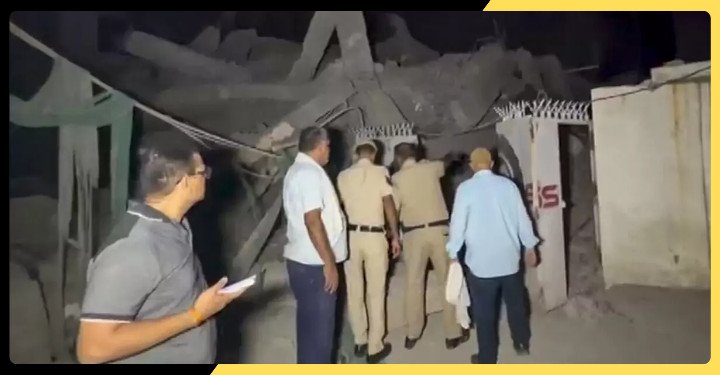
New Delhi: A major rescue operation was launched near Saket Metro Station in South Delhi after a building collapsed, trapping several individuals beneath the debris and sending shockwaves through the surrounding neighborhood. Authorities confirmed that at least eight people were rescued from the site, while emergency teams continued searching for others feared trapped under the rubble.

The incident occurred in a busy area close to one of the capital’s prominent metro stations, causing panic among local residents, shopkeepers, and commuters. Witnesses described hearing a loud rumbling sound before the structure suddenly gave way, creating a massive cloud of dust that quickly spread across nearby roads and buildings.

According to local residents, the collapse happened within seconds, leaving little time for occupants and people nearby to react. Several individuals rushed toward the site immediately after the incident, attempting to assist victims and alert emergency services. Calls to the police, fire department, and medical authorities were made as crowds gathered around the damaged structure.

Emergency response teams arrived promptly and began rescue operations. Personnel from the Delhi Fire Service, police department, disaster management authorities, and medical services coordinated efforts to search for survivors beneath the debris. Rescue workers carefully removed chunks of concrete, broken walls, and twisted steel rods while listening for signs of life.

Officials stated that eight people had been rescued during the initial phase of the operation. The rescued individuals were provided medical attention and transported to nearby hospitals for further treatment. Preliminary reports indicated that some victims sustained injuries ranging from minor cuts and bruises to fractures and breathing difficulties caused by exposure to dust and debris.

Rescue teams faced challenging conditions while carrying out operations. The unstable nature of the collapsed structure raised concerns about additional sections falling, forcing workers to proceed cautiously. Heavy equipment, including cranes and cutting tools, was deployed to clear debris and create safe access points for rescuers.

Authorities also used specialized search equipment to identify possible locations of trapped individuals. Rescue personnel worked continuously, often under difficult circumstances, as they attempted to reach areas where survivors could still be located. Officials emphasized that every effort was being made to ensure that no one remained trapped beneath the rubble.

Eyewitnesses recalled scenes of confusion and fear immediately after the collapse. Some residents reported hearing cries for help from beneath the debris, prompting local volunteers to join rescue efforts before professional responders arrived. Others assisted by helping injured individuals reach safer locations and providing water and first aid supplies.

Police quickly secured the area and established safety barriers to prevent unauthorized access. Traffic movement near the metro station was affected as emergency vehicles and rescue equipment occupied surrounding roads. Commuters were advised to avoid the immediate vicinity to allow rescue operations to continue without obstruction.

Authorities have not yet determined the exact cause of the collapse. Structural engineers and municipal officials visited the site to conduct a preliminary assessment. Investigators are expected to examine whether structural defects, unauthorized modifications, poor maintenance, or other factors contributed to the incident.

The collapse has once again highlighted concerns regarding building safety in densely populated urban areas. Experts have frequently warned about the dangers posed by aging structures, illegal construction practices, and inadequate maintenance. Urban planners and safety specialists often stress the importance of routine inspections and strict enforcement of building regulations to prevent such incidents.

Residents living near the site expressed concern about the condition of other buildings in the neighborhood. Many called on authorities to undertake comprehensive structural audits of nearby properties to identify potential risks before they lead to further accidents. Community members also urged officials to take stronger action against unauthorized construction activities.

Senior government officials monitored developments and assured the public that all available resources had been deployed to support rescue efforts. Authorities stated that emergency teams would continue searching the debris until every section of the collapsed structure had been thoroughly examined.

Families of individuals believed to be trapped gathered near the site throughout the day, anxiously awaiting updates. Temporary assistance and information centers were established to help relatives obtain details regarding rescue operations and the condition of those rescued.

Medical teams remained on standby as search efforts continued. Ambulances and emergency healthcare personnel were positioned nearby to provide immediate treatment if additional survivors were located. Hospitals in the area were also alerted and prepared to receive injured victims.

As rescue operations progressed, authorities appealed to the public to remain calm and avoid spreading unverified information. Officials emphasized the importance of relying on confirmed updates while emergency teams worked to complete the operation.

The building collapse near Saket Metro Station serves as a stark reminder of the importance of structural safety, regulatory compliance, and regular maintenance. While the rescue of eight individuals offered hope amid the tragedy, concerns remained for those still unaccounted for. Rescue personnel continued their efforts with determination, committed to saving lives and bringing closure to affected families.

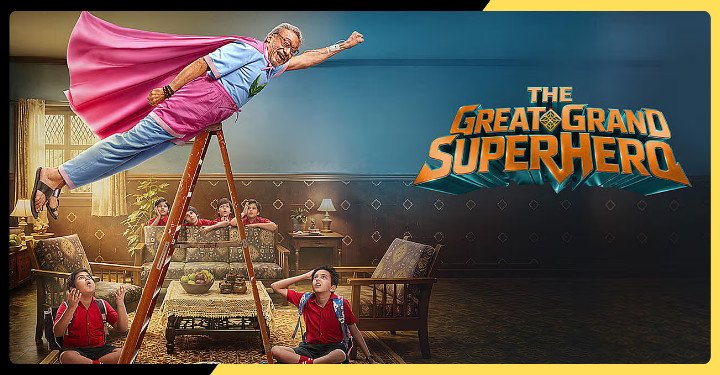
The Great Grand Superhero Review : A Critique in Elevated Diction

Prelude: A Cinematic Aberration
In an epoch where Hindi cinema’s dalliance with the superhero idiom has largely been subsumed by pyrotechnic excess and star‑driven grandiloquence, Manish Saini’s The Great Grand Superhero emerges as a curious anomaly. It eschews the bombastic architecture of franchise spectacle in favour of a more intimate dramaturgy, wherein the locus of heroism is refracted through filial bonds and the burdens of inheritance.

Narrative Exposition: Familial Gravity Cloaked in Fantasy
The film’s narrative scaffolding is deceptively simple: a peripatetic child, denied the quotidian rhythms of stability, discovers that his grandfather—embodied with eccentric gravitas by Jackie Shroff—harbours clandestine powers deployed against extraterrestrial incursions. Yet beneath this veneer of science‑fictional intrigue lies a meditation on displacement, secrecy, and the isolating paradox of wonder.

Saini orchestrates the tale as a domestic fable before permitting it to metastasize into alien‑invasion spectacle. The grandfather’s abilities are not valorised as divine endowments but problematised as existential encumbrances, shaping the family’s itinerant existence. The film’s most poignant cadences arise when it interrogates how the miraculous can estrange rather than console.

Performative Textures: Shroff’s Gentle Gravitas
Jackie Shroff anchors the film with a performance suffused with warmth and whimsicality. He resists the temptation to embody the superhero as an omnipotent colossus; instead, he imbues the character with gentleness, eccentricity, and a patina of lived experience. His portrayal is less a spectacle of invincibility than a study in weary resilience.

Prateik Babbar contributes a grounded sobriety, tempering the narrative’s more fantastical oscillations. Bhagyashree lends dignity and maternal softness, while Saharsh Kumar Shukla injects comic buoyancy without descending into caricature. Sharat Saxena, with his familiar authority, stabilises the ensemble. The child protagonist functions as the narrative’s epistemic lens, embodying curiosity, fear, and displacement.

Aesthetic and Craft: Modesty as Method
Saini’s directorial ethos is most persuasive when he treats the superhero genre as allegorical fable rather than industrial spectacle. Swathy Deepak’s cinematography privileges clarity and interpersonal framing over visual density. The special effects, though modest, are functional, occasionally betraying budgetary constraints. Deepa Bhatia’s editing maintains a measured cadence, though expository passages occasionally attenuate urgency.

The score, curated by Night Song Records, oscillates between cheerful accessibility and ephemeral resonance. It sustains the film’s family‑friendly tenor without lapsing into saccharine excess.

Thematic Resonance: The Burden of Inheritance
The film’s thematic marrow lies in its exploration of inherited responsibility. Heroism is not construed as triumphal conquest but as reconciliation with the sacrifices demanded by love. The grandfather’s powers matter less as instruments of combat than as catalysts of familial strain.

This inversion of genre logic—where vulnerability supersedes omnipotence—renders the film emotionally persuasive even when its science‑fictional mechanics falter.

Genealogical Context: Indian Superhero Cinema
Placed within the genealogy of Indian superhero cinema, The Great Grand Superhero occupies a distinctive niche. Mr. India (1987) allegorised invisibility as social justice; Krrish sought to erect a franchise edifice; Ra.One experimented with digital aesthetics; Bhavesh Joshi Superhero interrogated civic corruption. Saini’s film diverges by privileging sincerity over scale, intimacy over universality.

Comparative Discourse: Local Intimacy vs. Global Spectacle
Where Hollywood thrives on interconnected universes and escalating stakes, Indian cinema has faltered in sustaining such architectures. Saini circumvents this by refusing to compete. His modesty becomes radical, aligning the film more with The Incredibles than with Avengers. By rooting heroism in domestic bonds, he crafts a narrative culturally specific yet universally intelligible.

Limitations: Predictability and Modest Scope
The screenplay adheres to familiar beats—secret identity, looming peril, climactic confrontation. Supporting characters are unevenly etched, and the visual effects occasionally lack surprise. Yet these deficiencies are mitigated by sincerity. The film never lapses into cynicism; its emotional nucleus remains intact.

Verdict: Sincerity Over Spectacle
The Great Grand Superhero is affectionate, uneven, yet undeniably likable. It does not reinvent the genre, nor does it aspire to. Its commercial trajectory may be modest, but its emotional resonance is genuine. Jackie Shroff’s performance imbues the film with warmth and humour, rendering the grandfather figure authentic rather than gimmicky.

For audiences fatigued by hollow spectacle, Saini’s film offers a gentler alternative—a superhero tale with an Indian emotional core.

Ratings
Critics’ Rating:
3.5/5

Box Office Rating: 2/5

Coda: The Radical Modesty of Saini’s Vision
In an industry increasingly enthralled by gigantism, The Great Grand Superhero demonstrates that intimacy can be as compelling as scale. Its modesty is not deficiency but defiance, a reminder that cinema’s power lies not merely in spectacle but in sincerity.

Students Raise Alarm Over Alleged Marking Errors in Major Indian Examinations

0

Thousands of students across India are raising concerns over what they describe as significant marking errors in several major examinations, leading to widespread frustration and renewed questions about the country’s evaluation system. The issue has gained national attention as students, parents, and educators report discrepancies in scores that could have a major impact on academic and career opportunities.

The controversy began shortly after the release of results for various board examinations, university assessments, and competitive entrance tests. Many students expressed shock after receiving marks that were far lower than expected. Several candidates who had consistently performed well in school and mock examinations claimed that their final results did not accurately reflect their abilities or preparation.

Social media platforms quickly became a focal point for student complaints. Hashtags related to marking errors, re-evaluation requests, and examination transparency began trending as students shared their experiences online. Numerous posts included scorecards, answer sheet comparisons, and accounts of students who believed they had been unfairly assessed.

One of the most common complaints involves alleged errors in the evaluation process itself. Students claim that correct answers were either awarded insufficient marks or left unchecked entirely. Others have pointed to mistakes in the totaling of marks, where individual section scores reportedly did not add up correctly to the final result. In several cases, students who applied for verification or rechecking later received revised scores, strengthening concerns that initial evaluations may have contained mistakes.

For students, the consequences of such errors can be severe. Competitive examinations in India often determine admission to prestigious colleges, universities, and professional courses. Even a small difference in marks can affect rankings, eligibility, scholarship opportunities, and future career prospects. As a result, many students argue that the examination system must prioritize accuracy above all else.

Parents have also voiced strong concerns. Many families invest significant time, effort, and financial resources into their children’s education. Coaching classes, study materials, and examination fees can represent a substantial financial commitment. When questions arise about the reliability of examination results, parents worry that students may be unfairly disadvantaged despite years of hard work.

Educational experts acknowledge that large-scale examinations involving millions of candidates are complex undertakings. Evaluators often work under tight deadlines, and the sheer volume of answer sheets creates challenges. However, experts also stress that robust quality-control mechanisms are essential to minimize errors and maintain public trust.

Student organizations and advocacy groups have responded by demanding greater transparency in the evaluation process. Among their key demands are easier access to answer sheets, detailed marking schemes, affordable re-evaluation procedures, and faster resolution of grievances. Many students argue that obtaining copies of answer sheets should be simpler and more affordable, enabling candidates to understand how marks were awarded.

Some organizations have also called for independent audits of examination systems. Supporters of such audits believe that external reviews could identify weaknesses in current procedures and recommend improvements. They argue that accountability and transparency are necessary to restore confidence among students and parents.

Examination authorities have defended their evaluation processes, emphasizing that multiple layers of checks are typically used to ensure fairness. Officials note that moderators, examiners, and verification teams work together to review answer sheets and maintain consistency. They also highlight the availability of rechecking and re-evaluation mechanisms designed to address potential concerns.

Nevertheless, critics argue that existing grievance procedures are often too slow. In highly competitive admission cycles, students may need to make important decisions before appeals are completed. Delays can result in missed application deadlines, lost opportunities, and additional stress for candidates already dealing with the pressure of examination results.

The debate has also renewed interest in broader educational reforms. Some experts advocate reducing dependence on a single final examination and incorporating continuous assessment methods throughout the academic year. They believe a more balanced approach could reduce the impact of isolated evaluation errors while providing a fuller picture of student performance.

Technology is increasingly being considered as part of the solution. Digital evaluation systems, automated score verification, and AI-assisted quality checks may help reduce human error and improve efficiency. However, specialists caution that technological solutions must be carefully monitored and implemented responsibly.

As complaints continue to emerge, the issue underscores the importance of trust in educational assessment systems. Students depend on examination results to shape their futures, making accuracy and transparency critical components of a fair evaluation process. The growing calls for reform suggest that stakeholders across India are seeking a system that not only measures academic achievement effectively but also ensures that every student’s efforts are evaluated fairly and accurately.

National Testing Agency Details Reform Plan in Supreme Court After NEET-UG Leak Row

The National Testing Agency (NTA) has submitted a detailed affidavit before the Supreme Court outlining a series of corrective measures following the controversy surrounding the alleged NEET-UG paper leak. The affidavit comes amid growing concerns over the credibility of one of India’s most important medical entrance examinations and increasing demands for accountability from students, parents, and educational stakeholders.

The NEET-UG examination, conducted annually for admission to undergraduate medical courses across India, became the center of controversy after allegations emerged that portions of the question paper had been leaked before the examination. The incident triggered protests in several states and led to multiple petitions being filed before the Supreme Court seeking cancellation of the exam and a fresh test.

In response, the NTA informed the apex court that it has initiated significant reforms to improve transparency and strengthen security measures. According to the affidavit, the agency is committed to ensuring that future examinations are conducted in a secure and fair manner without any scope for malpractice.

Among the major reforms proposed is the implementation of advanced digital encryption systems for the storage and transmission of question papers. The agency said that only authorized officials with multi-layer verification access would be able to handle confidential examination material. This move is intended to eliminate unauthorized access and prevent leaks during the distribution process.

The affidavit also highlighted plans to introduce GPS-enabled tracking systems for vehicles transporting examination papers. The NTA stated that real-time monitoring would allow authorities to supervise the movement of confidential material and immediately identify any suspicious activity.

In addition, biometric verification procedures are expected to become mandatory at examination centers. Facial recognition technology, fingerprint scanning, and live attendance monitoring systems may be introduced to curb impersonation and other fraudulent practices.

The NTA further informed the court that examination centers would undergo stricter scrutiny before approval. Centers with poor security records or inadequate infrastructure could be removed from the approved list. Only institutions meeting enhanced surveillance and operational standards will be selected in future.

To strengthen coordination during examinations, the agency plans to work closely with district administrations and state police departments. Special monitoring teams and control rooms may be established to respond quickly to complaints or reports of irregularities.

The controversy surrounding NEET-UG has raised broader questions about the integrity of competitive examinations in India. Education experts believe that the incident exposed weaknesses in the existing system and highlighted the urgent need for technological reforms and better monitoring mechanisms.

The Supreme Court, while hearing petitions related to the issue, observed that even isolated instances of negligence could impact the future of lakhs of students. The court emphasized the need to preserve public confidence in the examination process and directed authorities to take all necessary corrective actions.

The NTA maintained in its affidavit that it remains fully committed to safeguarding the interests of students and ensuring equal opportunities for all candidates. The agency expressed confidence that the proposed reforms would significantly reduce the risk of paper leaks and examination malpractice in the future.

Siddaramaiah Set To Resign As Karnataka CM, Sources Say Leadership Change Finalised

A major political development appears to be unfolding in Karnataka, with official sources indicating that Chief Minister Siddaramaiah is likely to step down from his post soon. According to reports emerging from Bengaluru, the decision has already been communicated to Cabinet colleagues, triggering intense speculation over the next leadership arrangement in the state.

The reported move comes amid months of political discussions within the ruling Congress party regarding a possible power-sharing formula. While the Congress leadership has not yet made any formal public announcement, insiders claim that preparations for a transition are already underway behind closed doors.

Sources close to the government stated that Siddaramaiah informed several senior ministers during internal consultations that the high command had conveyed its decision regarding a leadership change. The development has sparked heightened political activity in Karnataka, with ministers, MLAs, and party observers gathering in Bengaluru for discussions.

Siddaramaiah, one of Karnataka’s most experienced politicians, has been serving as Chief Minister since the Congress secured a decisive victory in the 2023 Assembly elections. His tenure has largely focused on implementing welfare guarantees, strengthening rural development schemes, and maintaining the party’s voter base ahead of future elections.

However, political observers have frequently pointed to an internal understanding within the Congress regarding rotational leadership. Deputy Chief Minister D.K. Shivakumar has long been considered a strong contender for the top post, and discussions over a possible transfer of power have continued since the government assumed office.

The latest reports have intensified speculation that the Congress high command may finally be preparing to execute that arrangement. Although neither Siddaramaiah nor Shivakumar has officially commented on the reports, party leaders have remained unusually cautious while addressing the media.

Senior Congress functionaries in Delhi are also believed to be closely monitoring the situation. The party leadership reportedly wants to ensure a smooth transition without creating factional tensions or instability within the government. Karnataka remains one of the Congress party’s most politically significant states, and any leadership change is expected to be carefully managed.

Meanwhile, opposition parties have begun reacting sharply to the reports. Leaders from the Bharatiya Janata Party accused the Congress of prioritising internal politics over governance. BJP spokespersons alleged that the Congress government has been consumed by leadership struggles since coming to power.

The Janata Dal (Secular) also criticised the ruling party, claiming the uncertainty could impact administrative decision-making and development work across the state. Opposition leaders argued that Karnataka deserves political stability rather than prolonged speculation over leadership issues.

Despite the political noise, Congress leaders are attempting to project unity. Several ministers have publicly praised Siddaramaiah’s leadership and insisted that any decision taken by the high command would be accepted collectively. Some leaders have described the possible transition as part of a broader organisational strategy rather than a crisis.

Supporters of Siddaramaiah have meanwhile started expressing concern over the reports. The veteran leader continues to command strong support among several backward communities and sections of rural voters. Political analysts believe the Congress leadership will need to carefully balance caste equations and regional representation during any transition.

If Siddaramaiah formally resigns, the Congress Legislature Party is expected to hold a crucial meeting to elect a new leader. The Governor would then invite the chosen leader to form the government. Security and administrative preparations are reportedly being reviewed in anticipation of major political gatherings in Bengaluru over the coming days.

The unfolding developments are likely to shape Karnataka politics significantly ahead of future national and state-level electoral battles. For now, the state remains focused on one key question — who will lead Karnataka next if Siddaramaiah steps aside.

An official announcement from the Congress leadership is expected soon, and all eyes are now on Bengaluru and New Delhi as the political drama continues to evolve.

Supreme Court Backs SIR Exercise, Calls It Step Towards Electoral Transparency

The Supreme Court on Tuesday upheld the Special Intensive Revision (SIR) exercise, describing it as a significant move toward ensuring free and fair elections in the country. The verdict is being seen as a major boost for the Election Commission of India (ECI), which has argued that periodic verification of electoral rolls is necessary to maintain the credibility of the democratic process.

A bench of the apex court observed that accurate voter lists are essential for protecting the sanctity of elections. The court noted that the Constitution gives the Election Commission enough authority to conduct exercises aimed at removing irregularities and ensuring that only eligible citizens participate in voting.

The case had attracted nationwide attention after several political parties and civil society groups challenged the SIR process. Petitioners argued that the exercise could potentially lead to the exclusion of genuine voters, particularly migrants, economically weaker sections, and marginalized communities who may face difficulties in producing documents.

However, the Supreme Court rejected claims that the process was unconstitutional. The judges clarified that the objective of the exercise was not voter suppression but electoral purification. According to the court, a transparent and updated electoral roll is the backbone of democracy.

The bench further stated that elections cannot be considered truly free and fair if fake, duplicate, or ineligible entries remain in voter databases. The court emphasized that strengthening voter verification mechanisms ultimately protects the rights of legitimate voters.

The Election Commission welcomed the verdict and said the ruling reinforces public confidence in electoral institutions. Officials explained that the SIR exercise is designed to identify duplicate names, deceased voters, and individuals who may have shifted constituencies without updating records.

Political reactions to the judgment were mixed. While the ruling party described the decision as a victory for democratic integrity, opposition parties continued to express concerns regarding the implementation process. Some leaders demanded safeguards to ensure that no eligible voter is removed unfairly.

Experts believe the judgment could influence future electoral reforms in India. Legal scholars say the court has effectively recognized the Election Commission’s broader powers in maintaining the purity of electoral rolls while also reminding authorities to follow due process.

The Supreme Court also directed election authorities to ensure transparency and provide sufficient opportunities for citizens to raise objections or correct errors during the revision process. The court stressed that voter awareness campaigns must be conducted so people understand how to verify their names and submit required documents.

Several constitutional experts noted that the judgment balances two competing concerns — the need for accurate electoral rolls and the protection of voting rights. According to analysts, the ruling may pave the way for more technology-driven voter verification systems in the future.

Meanwhile, political debates around voter registration and electoral reforms are expected to continue in the coming months. Opposition parties have already indicated they will monitor the implementation of the SIR exercise closely ahead of upcoming state elections.

The judgment comes at a time when electoral transparency and voter trust have become central political issues across the country. The Supreme Court’s endorsement of the SIR exercise is likely to strengthen the Election Commission’s position while placing responsibility on authorities to ensure fairness at every stage of implementation.

With the court describing the initiative as an advancement toward free and fair elections, the verdict is expected to shape discussions around electoral reforms for years to come.

Twisha Sharma Death Case: CBI Takes Charge, Supreme Court Warns Media Against Speculation

0

The investigation into the death of social media influencer and entrepreneur Twisha Sharma has now been handed over to the Central Bureau of Investigation (CBI), marking a major development in a case that has captured national attention. At the same time, the Supreme Court has urged media organisations and digital platforms to avoid publishing unverified statements or speculative content related to the matter.

The case has remained in the spotlight since Twisha Sharma was found dead under suspicious circumstances earlier this year. Initial investigations were conducted by the state police, but growing public pressure, political debate, and demands from the victim’s family led to calls for a central agency probe. Responding to these concerns, the Supreme Court approved the transfer of the investigation to the CBI.

The apex court observed that the matter had generated intense public discussion and that several statements circulating in the media could potentially affect the fairness of the investigation. During the hearing, the court specifically advised television channels, online portals, and social media influencers to maintain restraint while reporting developments in the case.

Legal experts say the Supreme Court’s remarks are significant because media trials often influence public perception before investigators complete their work. The bench reportedly stressed that speculative reporting may harm both the investigation and the rights of individuals connected to the case.

Twisha Sharma’s death has triggered widespread reactions across social media platforms. Supporters and followers have demanded justice, while several political leaders have also commented on the matter. The situation became more complicated after conflicting claims emerged regarding the circumstances surrounding her death.

According to officials, the CBI is expected to re-examine all evidence collected so far, including forensic reports, digital communications, witness statements, and CCTV footage. Sources indicate that the agency may also question individuals who were previously examined by local authorities.

The family of Twisha Sharma welcomed the transfer of the probe, stating that they have faith in the central agency and hope the truth will emerge through an independent investigation. Family members had earlier alleged that the initial investigation was not moving in the right direction and demanded greater transparency.

Meanwhile, media organisations are now under increased scrutiny after the Supreme Court’s observations. Some channels had aired detailed debates and alleged insider claims without official confirmation, leading to criticism from legal experts and civil society groups.

Senior advocates believe the court’s intervention sends a clear message about responsible journalism, especially in sensitive criminal cases. They argue that sensational reporting can create unnecessary pressure on investigators and may even impact judicial proceedings later.

Political reactions to the development have also intensified. Opposition parties have questioned why the matter required intervention from the highest court before a central probe was approved, while ruling party leaders have maintained that due process is being followed.

The CBI is expected to register a fresh FIR and begin its independent investigation shortly. Officials familiar with the process said the agency will likely coordinate with forensic experts and review all previous findings before deciding its next steps.

As the investigation enters a new phase, public attention remains firmly fixed on the case. The coming weeks are expected to be crucial as investigators attempt to uncover the circumstances surrounding Twisha Sharma’s death while balancing public interest and judicial caution.

The Supreme Court’s request for restraint in media coverage is likely to shape how future developments are reported. For now, the focus remains on ensuring a fair, transparent, and unbiased investigation into one of the most talked-about cases in recent months.

White House Shooter Arrested in 2025 Claimed He Was ‘Jesus Christ’, Investigators Reveal

A shocking new development has emerged in the investigation surrounding the man accused of opening fire near the White House in 2025. According to officials familiar with the case, the suspect had previously been arrested earlier in the year and reportedly suffered from severe delusions, including a belief that he was “Jesus Christ.”

The incident has raised fresh concerns about mental health intervention, security preparedness, and the warning signs that may have been overlooked before the shooting took place.

Authorities said the suspect approached a heavily secured area near the White House before chaos erupted. Witnesses described scenes of panic as security personnel reacted within seconds to neutralize the threat and evacuate civilians from the area.

The accused, whose identity was later confirmed by law enforcement agencies, was reportedly under observation in the past because of unusual and unstable behavior. Investigators revealed that during earlier questioning in a separate arrest case, the man repeatedly claimed to be a divine figure sent on a “mission.”

Officials stated that the suspect’s earlier arrest did not involve terrorism-related charges. Instead, it was reportedly connected to disorderly conduct and threatening behavior in a public place. At the time, mental health evaluations were recommended, but authorities are now examining whether stronger intervention could have prevented the later attack.

The White House shooting incident triggered an immediate lockdown in surrounding areas. Secret Service agents acted swiftly, sealing roads and securing government buildings as emergency teams rushed to the scene.

Several eyewitnesses said they heard multiple gunshots followed by loud warnings from security officials. Videos shared on social media showed frightened tourists and workers running away from the area as police vehicles flooded the streets around the White House complex.

Fortunately, according to preliminary reports, the President was not in immediate danger during the incident. Officials confirmed that security protocols worked effectively and prevented the suspect from getting closer to restricted zones.

Investigators are now focusing heavily on the shooter’s mental state. Sources close to the investigation said journals, online posts, and recordings recovered from the suspect indicated growing paranoia and religious delusions over several months.

Experts say such cases highlight the complicated intersection between mental illness and public safety. While most people suffering from mental health conditions are not violent, untreated psychosis or extreme delusions can sometimes become dangerous if warning signs are ignored.

Former law enforcement officials have also questioned whether information sharing between local agencies and federal authorities was sufficient after the suspect’s earlier arrest. Some critics argue that the system failed to recognize the escalating threat posed by the individual.

The case has already sparked political debate in the United States. Some leaders are calling for stronger mental health systems and earlier intervention mechanisms, while others are demanding tighter security monitoring around high-profile government locations.

Social media reactions have been intense, with many users expressing shock that someone previously arrested and reportedly displaying alarming behavior could later come so close to the White House carrying a weapon.

Meanwhile, investigators continue to examine whether the suspect acted alone or had contact with online extremist communities that may have reinforced his delusions. At this stage, officials say no larger organized conspiracy has been confirmed.

The incident once again highlights the enormous pressure faced by security agencies responsible for protecting major political institutions in the United States. Even with advanced surveillance systems and highly trained personnel, unpredictable lone actors remain one of the most difficult threats to stop completely.

As the investigation continues, authorities are expected to release more details about the suspect’s background, previous encounters with law enforcement, and psychological condition.

For now, the White House shooting serves as a chilling reminder of how untreated mental instability, combined with access to weapons and public visibility, can quickly escalate into a national security scare.

Twisha Sharma Death Probe Intensifies As Husband Samarth Singh Brought To Bhopal

0

The investigation into the death of Twisha Sharma has taken a significant turn after police brought her husband, Samarth Singh, to Bhopal for further questioning. Authorities are now preparing to seek his custodial remand as they continue to investigate the circumstances surrounding the young woman’s death, which has sparked widespread public attention and debate on social media.

According to officials, Samarth Singh was detained outside Madhya Pradesh and transported to Bhopal by a special police team. Investigators believe his custodial interrogation could help uncover crucial details regarding the timeline of events leading to Twisha Sharma’s death. Police sources indicated that several inconsistencies have emerged during the preliminary inquiry, prompting investigators to intensify the probe.

Twisha Sharma’s death initially appeared to be a case of suicide, but the family raised allegations of harassment and suspicious circumstances soon after the incident. Her relatives accused Samarth Singh and members of his family of subjecting her to mental torture and emotional abuse during their marriage. These allegations led police to register a case and begin a detailed investigation.

Officials said digital evidence, including mobile phone records, chat conversations, and CCTV footage, is being examined. Police are also questioning close friends and relatives of the couple to understand the nature of their relationship in recent months. Investigators reportedly suspect that there may have been ongoing domestic disputes before the incident occurred.

The case has generated intense public reaction, particularly online, where many users are demanding a fair and transparent investigation. Activists and women’s rights groups have also called for strict action if evidence of harassment or foul play is established. They argue that cases involving alleged domestic abuse often require sensitive and thorough investigation to ensure justice for victims.

Sources within the police department stated that Samarth Singh will be presented before a local court in Bhopal, where investigators will seek remand for extended questioning. Officers believe that custodial interrogation is necessary to clarify contradictions in statements and verify key aspects of the investigation.

Meanwhile, Twisha Sharma’s family has continued to demand justice. Family members have alleged that she had repeatedly informed them about difficulties in her marriage and emotional distress. They insist that authorities should not treat the matter as a routine case and should examine every possible angle, including abetment and harassment.

Legal experts note that custodial remand allows investigators to conduct more detailed questioning and gather evidence that may otherwise be difficult to obtain. However, they also emphasized that the accused retains legal rights and that guilt can only be determined through due legal process and evidence presented before the court.

As the case unfolds, police are maintaining that the investigation is ongoing and no final conclusions have yet been reached. Authorities have urged the public to avoid speculation and allow the legal process to proceed based on evidence.

The Twisha Sharma death case has once again highlighted concerns around domestic conflict, mental health, and the pressure faced by young couples in troubled relationships. The outcome of the investigation and the findings from Samarth Singh’s interrogation are expected to play a key role in determining the future direction of the case.

Chand Mera Dil Review – A Romance That Demands Accountability

Film Ratings – 4/5 Stars
Ananya Panday and Lakshya Illuminate Vivek Soni’s Drama of Intimacy, Possession, and Moral Reckoning

Craft and Plot
The craft of Chand Mera Dil lies in its refusal to indulge in the ornamental excesses of mainstream Hindi romance. Vivek Soni constructs a narrative that is less about the decorative intoxication of passion and more about the arduous labour of comprehension. The plot does not pivot upon a singular cataclysmic rupture; instead, it chronicles the gradual attrition of tenderness between Chandni and Aarav. Their relationship begins with effervescent attraction, only to be slowly corroded by insecurity, possessiveness, and the sediment of repeated transgressions. What distinguishes the film is its refusal to collapse into binary moralities. Chandni is not fetishized as a martyr, nor is Aarav caricatured as a tyrant. Both are rendered with chiaroscuro complexity, their vulnerabilities and vanities coexisting in uneasy tandem. The screenplay recognizes that relationships rarely implode in theatrical detonations; they fray through silences, half hearted apologies, and the corrosive repetition of emotional abrasion.

Performance
Ananya Panday delivers a performance of remarkable restraint, locating Chandni’s anguish not in spectacle but in internalized pauses and glances. Her craft lies in registering discomfort before detonating into anger, allowing the audience to witness the gradual awakening of a woman discerning the difference between being cherished and being controlled. Lakshya, as Aarav, oscillates between warmth and volatility with persuasive dexterity. He resists the temptation to play Aarav as a villainous archetype, instead imbuing the character with tenderness sufficient to sustain the romance and sharpness enough to render the damage palpable. His portrayal of vulnerability metastasizing into control is particularly compelling, giving Aarav a textured legibility that transcends simplistic condemnation. Together, Panday and Lakshya generate a chemistry that is both intoxicating and corrosive, their relationship credible precisely because it embodies both the exhilaration of attachment and the exhaustion of repeated emotional abrasion.

Direction
Vivek Soni’s directorial compass is calibrated towards clarity and patience. He understands the visual grammar of mainstream Hindi romance but refuses to allow gloss to suffocate gravitas. His staging of arguments avoids bombast, his rendering of romantic interludes resists saccharine relief. Instead, he allows scenes to breathe, to exist beyond their immediate dramatic utility, thereby imbuing the film with cumulative force. Soni’s greatest triumph lies in his refusal to sermonize. He does not wield the camera as a moral cudgel; rather, he orchestrates a quiet observation of conduct, allowing the audience to discern the insidious ways in which affection can curdle into coercion.

Story and Screenplay
Co written by Vivek Soni and Tushar Paranjape, the screenplay is the film’s vertebral column. It navigates the treacherous terrain of emotional manipulation with maturity and sobriety, avoiding both indulgence and didacticism. The writing acknowledges that relationships are rarely divisible into neat categories of victimhood and culpability. Harm is unmistakable, yet the psychological confusion that perpetuates cycles of apology and relapse is rendered with empathetic acuity. This refusal to flatten complexity is what grants the film its moral seriousness. The story is not about whether love exists between Chandni and Aarav; it is about whether love, by itself, is enough when respect begins to thin out.

Technical Analysis
Debojeet Ray’s cinematography is a study in emotional meteorology. His lens does not merely beautify the protagonists; it tracks the shifting climate of intimacy. Spaces that initially radiate romance gradually acquire claustrophobic undertones as the relationship tightens. Light, framing, and proximity are deployed to suggest the oscillation between comfort and suffocation. This is cinematography that serves the emotional architecture rather than ornamental spectacle, and its subtlety is its strength. Prashanth Ramachandran’s editing ensures that the film’s intensity never metastasizes into heaviness. Emotional scenes are permitted to settle, but never to sprawl. The transitions between phases of the relationship are fluid, giving the romance the texture of memory rather than mere chronology. Sachin Jigar’s score provides the film with a melodic interiority. Songs such as Khasiyat and Aitbaar do not function as decorative interludes; they are woven into the film’s emotional fabric. The title track, Chand Mera Dil, becomes a leitmotif of longing and accountability, underscoring the film’s insistence that love must answer for conduct.

Box Office Analysis
From a commercial vantage, Chand Mera Dil may not ignite the box office with explosive fervour. Its reliance on internal conflict rather than crowd pleasing theatrics renders its trajectory steadier than spectacular. Yet this very restraint is what ensures its longevity. The film’s emotional intelligence and moral seriousness grant it a resonance that transcends ephemeral numbers. Critics have accorded it a rating of four out of five, while its box office performance hovers at a more modest three out of five. The film’s commercial appeal may be steadier than explosive, but its emotional gravitas ensures that it will endure in cultural memory.

Verdict
Chand Mera Dil is a mature, sensitive, and impressively composed romantic drama. Its strength lies not merely in its performances or direction, but in its ethical architecture—its recognition that love, without respect, is insufficient. While its commercial trajectory may be steadier than spectacular, the film’s emotional intelligence ensures its longevity. It is a romance that lingers because it refuses to flatter love; it demands that love justify itself. In the final analysis, Chand Mera Dil is not merely a film about romance. It is a film about the moral musculature of intimacy, about the necessity of boundaries, about the dignity of self respect. It is a cinematic reminder that passion, without accountability, is merely another form of pressure. This is why Chand Mera Dil endures—not because it dazzles with spectacle, but because it resonates with truth.

EC Sets June 18 for Rajya Sabha Elections Across 10 States

0

The Election Commission of India has announced that elections for 24 Rajya Sabha seats across 10 states will be held on June 18, triggering a fresh round of political activity among major national and regional parties. The biennial elections come as several prominent members of the Upper House are set to retire between June 21 and July 19.

The announcement has immediately intensified discussions over candidate selection, alliance strategies, and the evolving balance of power in the Rajya Sabha. Among the outgoing members are senior leaders such as Mallikarjun Kharge, Digvijaya Singh, and former Prime Minister H. D. Deve Gowda, whose departures mark a significant moment in parliamentary politics.

According to the poll schedule released by the commission, nominations will begin soon, with June 8 being the last date for filing papers. Scrutiny of nominations and withdrawals will follow before polling takes place on June 18. Counting of votes will also occur on the same day, ensuring a swift conclusion to the election process.

Rajya Sabha elections are indirect elections conducted through elected members of state legislative assemblies using proportional representation by means of the single transferable vote system. Political parties calculate their expected seat tally based on the strength they possess in each state assembly. This makes every MLA vote crucial, especially in states where the numbers are close.

The upcoming polls are especially important because the Rajya Sabha continues to play a decisive role in legislative processes. While the Lok Sabha determines the government, the Upper House influences the passage of bills, constitutional amendments, and major policy decisions. For the ruling alliance and opposition alike, maintaining or increasing their presence in the Rajya Sabha remains a strategic priority.

Political observers believe the elections may witness intense competition in states where no single party enjoys overwhelming dominance. Smaller regional parties and independents could emerge as key players in determining outcomes. Coalition arithmetic and cross-party negotiations are expected to shape the contests in several states.

The Election Commission has also announced by-elections for one Rajya Sabha seat each in Maharashtra and Tamil Nadu. These vacancies arose after sitting members moved to state legislatures.

Over the coming weeks, parties are expected to finalize candidates based on political loyalty, caste equations, regional representation, and parliamentary experience. The BJP-led NDA and the INDIA bloc will both look to maximize gains while ensuring internal unity.

As India’s political landscape evolves ahead of several upcoming state elections, the Rajya Sabha polls are being viewed as more than a routine parliamentary exercise. They will offer an important indication of shifting political equations, alliance strength, and leadership priorities across the country.

Satirical Storm: ‘Cockroach Janata Party’ X Account Withheld in India

0

The social media satire scene in India witnessed another major flashpoint after the X account of the controversial parody platform “Cockroach Janata Party” was reportedly blocked in India. The development was announced by the founder of the account, who claimed that access to the handle had suddenly been restricted for Indian users without prior warning. The incident has reignited debates over online censorship, political satire, and freedom of expression in the digital age.

The “Cockroach Janata Party” account had gained popularity over the past several months for posting satirical political commentary, memes, and humorous takes on current affairs. With a name clearly designed to parody mainstream political branding, the page attracted a large following among young social media users who appreciated its sharp wit and provocative humor. However, critics frequently accused the account of crossing the line between satire and targeted political attacks.

According to the founder, users in India began receiving notifications that the account had been “withheld in response to a legal demand.” Screenshots of the notice quickly spread across social media, sparking outrage among supporters who described the move as an attack on democratic discourse. The founder alleged that the action was politically motivated and intended to silence voices critical of powerful institutions.

The blocking of parody and satire accounts has become a recurring issue globally, particularly in countries where online political conversations are highly polarized. In India, social media has increasingly become a battleground for ideological debates, with meme pages and parody handles often playing a significant role in shaping narratives. Supporters of the account argued that satire has historically been an important democratic tool used to challenge authority and expose hypocrisy.

Political observers noted that the account’s popularity stemmed from its ability to connect complex political developments with relatable humor. Many of its posts went viral within minutes, often becoming part of larger online discussions. Some posts mocked politicians across party lines, while others focused on broader issues such as inflation, unemployment, and internet censorship.

At the same time, critics of the page argued that certain content promoted misinformation under the guise of comedy. They claimed that parody pages can influence public opinion without accountability, especially when viral posts blur the line between fact and fiction. Several commentators called for stricter regulation of anonymous political content online.

The founder of “Cockroach Janata Party” denied accusations of misinformation and insisted the page clearly operated as satire. In a public statement, the founder said satire should not be treated as a threat to democracy. Supporters echoed the sentiment, arguing that democracies must tolerate criticism and humor, even when uncomfortable.

The incident has also renewed scrutiny on X’s content moderation policies in India. The platform has previously faced criticism from activists and legal experts regarding compliance with government requests. While companies operating in India are required to follow local laws, digital rights advocates argue that excessive compliance may weaken free speech protections.

Legal experts say withholding an account usually means access is restricted only within a specific country, while the account remains visible elsewhere. Such actions are generally taken following legal notices or government directives. However, the exact reason behind the blocking remains unclear, as neither Indian authorities nor X issued a detailed public explanation immediately after the controversy erupted.

As reactions continue pouring in, the controversy surrounding “Cockroach Janata Party” highlights the growing tension between online satire and regulatory control. For many users, the episode represents more than just the blocking of a parody account — it symbolizes the broader struggle over who gets to shape political conversations in the digital era.