

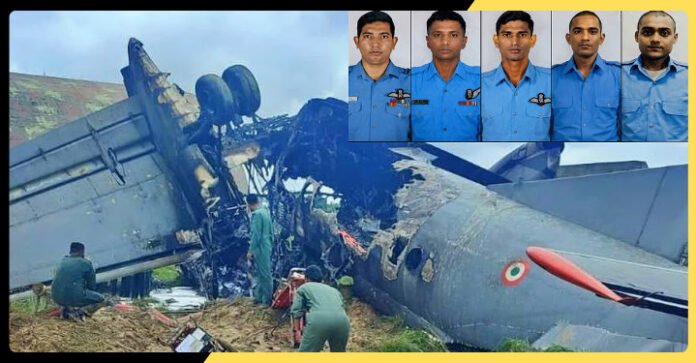

The Indian Air Force (IAF) suffered a tragic loss when an AN-32 transport aircraft crashed near Jorhat in Assam, resulting in the deaths of five personnel on board. The accident sent shockwaves across the defense community and the nation, highlighting the risks faced by military personnel during routine and operational flights. The aircraft was reportedly on a scheduled mission when it encountered difficulties, leading to the fatal crash.
The AN-32 has been a key component of the Indian Air Force’s transport fleet for decades. Designed to operate in challenging terrains and weather conditions, the aircraft is widely used for logistical support, troop transportation, and supply missions. However, despite its reliability, aviation accidents remain a possibility due to technical failures, adverse weather, or operational complexities.
Immediately after the incident, rescue teams and local authorities rushed to the crash site. Emergency response units worked tirelessly to recover the wreckage and search for survivors. Unfortunately, all five personnel aboard the aircraft were confirmed dead. Their sacrifice and dedication to duty were widely acknowledged by military officials and government leaders.
The tragedy also raised questions regarding flight safety and aircraft maintenance procedures. Defense experts emphasized the importance of a thorough investigation to determine the exact cause of the accident. Such inquiries are critical not only for accountability but also for preventing similar incidents in the future.
The nation mourned the loss of the air warriors, with tributes pouring in from across the country. Senior military officers, political leaders, and citizens expressed condolences to the families of the deceased. The incident served as a reminder of the immense commitment and courage displayed by members of the armed forces in carrying out their responsibilities.
As investigations commenced, attention focused on understanding the sequence of events leading to the crash. Findings from the inquiry are expected to provide valuable insights into operational safety measures and potential improvements in military aviation protocols.