Home Blog Page 6

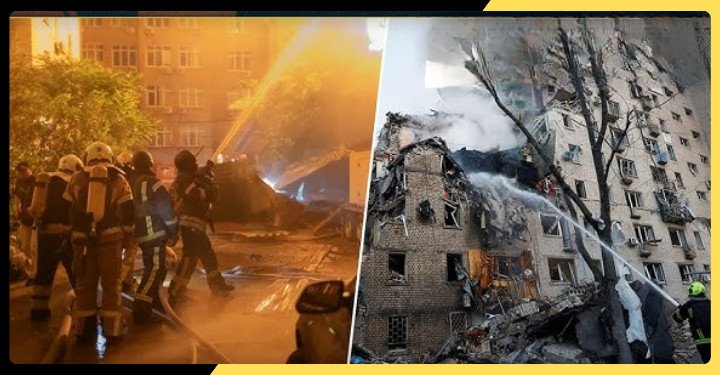
At Least Eight Killed in Kyiv as Massive Russian Strike Hits Ukrainian Capital

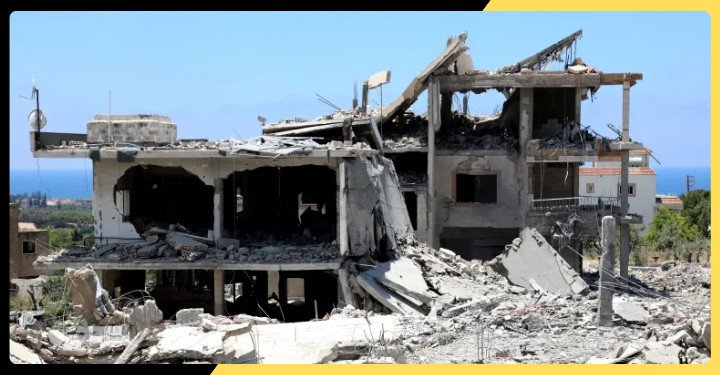
Kyiv endured another devastating night of violence after a large-scale Russian missile and drone attack left at least eight people dead and dozens more injured, according to Ukrainian officials. The assault, which struck residential neighborhoods and critical infrastructure across the capital, came shortly after Ukrainian President Volodymyr Zelenskyy warned that Russia was preparing a “massive strike” aimed at intensifying pressure on Ukraine and its civilian population.

Air raid sirens echoed across Kyiv for several hours as residents rushed into underground metro stations, bomb shelters, and basements seeking protection from explosions that lit up the night sky. Ukraine’s air defense systems intercepted many incoming missiles and drones, but several projectiles managed to penetrate the defenses, causing widespread destruction in multiple districts of the city.

Emergency crews worked through the night searching for survivors trapped beneath the rubble of collapsed apartment buildings. Firefighters battled blazes sparked by missile impacts while rescue teams used heavy machinery and trained search dogs to locate victims buried under concrete and twisted metal. Authorities said dozens of civilians, including children and elderly residents, were rescued from damaged buildings, although many remained hospitalized with serious injuries.

The attack caused extensive damage to residential complexes, office buildings, schools, and public utilities. Broken windows, destroyed vehicles, and shattered infrastructure painted a grim picture across affected neighborhoods. Local officials urged residents to remain cautious, warning that unexploded debris from intercepted missiles and drones could pose additional dangers.

President Zelenskyy condemned the strike, describing it as another deliberate act of terror targeting innocent civilians rather than military objectives. In a statement released shortly after the attack, he said Ukraine would continue strengthening its air defense capabilities while urging international allies to accelerate deliveries of advanced missile defense systems and military assistance.

Military analysts believe the assault formed part of Russia’s broader strategy to exhaust Ukraine’s air defense resources while increasing psychological pressure on the population. By combining cruise missiles, ballistic missiles, and waves of attack drones, Russia has increasingly attempted to overwhelm Ukrainian defensive systems and maximize the likelihood of successful strikes.

Residents described terrifying moments as explosions shook apartment buildings and power outages affected several districts. Many families spent hours underground, uncertain whether additional attacks would follow. Witnesses recalled hearing multiple loud blasts in quick succession, followed by emergency sirens and the sounds of rescue vehicles rushing toward impacted areas.

Hospitals across Kyiv activated emergency response plans to accommodate the influx of injured civilians. Medical teams worked continuously to treat patients suffering from blast injuries, burns, fractures, and trauma caused by collapsing buildings and flying debris. Blood donation centers also appealed for volunteers as healthcare facilities prepared for additional casualties.

The latest attack highlights the continuing vulnerability of Ukraine’s major cities despite significant improvements in air defense capabilities. Although Western-supplied defense systems have intercepted thousands of missiles and drones since the conflict escalated, officials acknowledge that no defense network can guarantee complete protection against repeated large-scale assaults.

International observers warned that continued attacks on civilian areas could further deepen the humanitarian crisis already affecting millions of Ukrainians. Aid organizations expressed concern over the growing number of displaced families, damaged homes, and interruptions to essential services, including electricity, water, and healthcare.

As rescue operations continue, authorities expect casualty figures to rise as emergency workers gain access to heavily damaged buildings. Families across Kyiv anxiously await news of missing relatives while the city begins another difficult recovery effort. Despite the destruction, officials emphasized that emergency services remain fully operational and pledged to restore damaged infrastructure as quickly as possible.

The deadly strike serves as another reminder of the ongoing human cost of the war, with civilians continuing to bear the brunt of attacks that have repeatedly devastated Ukrainian communities. As investigations into the full extent of the damage continue, Ukraine remains on high alert for the possibility of further missile and drone attacks in the coming days.


Congress Calls Alleged Donation Irregularities at Ram Temple a “Maha Paap”, Sparks Political Storm

Political leaders from the Indian National Congress have reportedly described alleged irregularities linked to donations at the Ram Mandir, Ayodhya as a “maha paap” (great sin), triggering a sharp political confrontation. The party’s statements focus on concerns over transparency in temple donation handling and demand public disclosure of accounts.

The remarks quickly escalated into a broader debate between opposition parties and the ruling establishment. Congress leaders argue that institutions handling large-scale public donations must be held to strict accountability standards, especially when religious sentiments are involved.

The controversy has become politically charged, with supporters of the government accusing the opposition of targeting faith-based institutions for political mileage. Meanwhile, Congress insists it is raising questions purely on governance and transparency grounds, not religion.

The issue has now moved beyond a single statement, evolving into a wider debate over how religious donations should be regulated in India and what oversight mechanisms exist for such large public contributions.

India’s Driest June in Over a Decade Raises Alarm for Farmers Across the Country

0

India’s agricultural sector is facing fresh uncertainty after the country recorded its driest June in more than a decade, raising concerns about crop production, rural incomes, and food prices in the months ahead. June marks the beginning of the southwest monsoon season, a period that is crucial for replenishing water resources and supporting the sowing of kharif crops such as rice, maize, soybean, cotton, and pulses. A significant shortfall in rainfall during this period has left millions of farmers anxiously waiting for better weather conditions.

The southwest monsoon is often described as the backbone of Indian agriculture because nearly half of the country’s cultivated land depends directly on rainfall rather than irrigation. When rains arrive on time and are well distributed, farmers can prepare their fields, sow seeds, and expect healthy crop growth. However, inadequate rainfall during June has disrupted these activities across several agricultural regions, forcing many farmers to delay planting or reconsider the crops they intend to cultivate.

Agricultural experts say that the timing of rainfall is just as important as the total amount received. Even if rainfall improves later in the season, delayed sowing can reduce crop yields and shorten the growing period for several important crops. Farmers who have already invested in seeds, fertilizers, and land preparation face additional financial pressure as they wait for sufficient moisture in their fields.

The rainfall deficit has also affected reservoirs, ponds, and groundwater recharge in several parts of the country. Lower water availability can limit irrigation during critical crop growth stages, increasing the risk of production losses if dry conditions continue. In regions where irrigation facilities are limited, dependence on monsoon rainfall remains particularly high, making farming communities especially vulnerable to changing weather patterns.

For small and marginal farmers, who account for a large share of India’s agricultural workforce, an erratic monsoon can have serious economic consequences. Many rely on seasonal crop income to repay loans, support household expenses, and invest in the next farming cycle. A delayed or below-average harvest could reduce earnings and increase financial stress in rural areas.

The impact extends beyond agriculture. Reduced crop production may eventually affect food supplies, putting upward pressure on the prices of cereals, vegetables, pulses, and edible oils. Rising food inflation can influence household budgets and pose challenges for policymakers seeking to maintain price stability while supporting economic growth.

Government agencies are closely monitoring rainfall patterns and crop sowing progress. Agricultural departments have advised farmers to adopt contingency plans where necessary, including switching to drought-tolerant crop varieties, adjusting sowing schedules, and making efficient use of available water resources. Scientists are also encouraging improved soil moisture conservation techniques, including mulching and rainwater harvesting, to reduce the impact of dry spells.

Climate experts note that weather variability has become more pronounced in recent years. Instead of consistent rainfall spread evenly throughout the season, many regions are experiencing long dry periods interrupted by episodes of intense rainfall. Such uneven distribution makes farming more difficult because crops require moisture at specific stages of growth rather than receiving large amounts of rain over a short period.

Despite the current challenges, there is cautious optimism that improved rainfall during the remaining monsoon months could partially offset the early deficit. Much will depend on how consistently the monsoon performs through July, August, and September. Timely rainfall during these months could help revive sowing activity, improve soil moisture, and support crop development in many regions.

For now, however, uncertainty remains the defining feature of India’s agricultural landscape. Farmers across the country continue to watch the skies with hope, knowing that the coming weeks will play a decisive role in determining the success of this year’s kharif season. The performance of the monsoon will not only shape farm incomes but also influence food security, rural employment, and the broader economy in the months ahead.

Welcome to the Jungle Review – A Frenzied Franchise Comedy of Akshay Kumar And Cast

Introduction: Noise Over Nuance
Ahmed Khan’s Welcome to the Jungle arrives as the latest installment in the Welcome franchise, promising comic chaos and family entertainment. With Akshay Kumar and Suniel Shetty leading a mammoth ensemble, the film banks heavily on nostalgia, star presence, and sheer scale. Yet beneath the surface glitter lies a fundamental flaw: the screenplay confuses volume with wit, mistaking relentless commotion for crafted comedy.

Plot: Confusion as Currency
The narrative is built on ensemble disorder—competing agendas, mistaken identities, greed, and escalating confrontations. Characters are hurled into larger situations, misunderstandings pile up, and reversals drive the momentum. While this velocity injects energy, it exposes the screenplay’s lack of discipline. Instead of escalating comic logic, the film substitutes crowding for progression. The pre‑interval sequences featuring Akshay Kumar with Raveena Tandon and Suniel Shetty sparkle with hilarity, but elsewhere the clutter overwhelms coherence.

Performances: Stars Salvage the Chaos
Akshay Kumar delivers the film’s most consistent comic control. His timing, reactions, and physical ease restore rhythm to scenes that would otherwise collapse. Suniel Shetty’s restraint provides balance, his gravitas anchoring the ensemble. Paresh Rawal’s exasperation and Johnny Lever’s old‑school punctuation sharpen the humour, while Arshad Warsi, Shreyas Talpade, and Tusshar Kapoor slip comfortably into reactive rhythms.

Yet the screenplay squanders much of the ensemble. Jacqueline Fernandez and Disha Patani are reduced to ornamental presences, while younger additions lack defined comic personalities. Raveena Tandon, Farida Jalal, and Kiran Kumar shine in brief appearances, proving that veteran performers can still impose rhythm on weak material.

Direction and Craft: Commotion Without Architecture
Ahmed Khan directs with a singular instinct: keep everything loud and in motion. This strategy creates spectacle but abandons the essentials of comic rhythm—pressure, release, and contrast. Scenes connect mechanically rather than organically, jokes are inserted rather than generated, and repetition replaces escalation.

Cinematography offers gloss and polish but little wit, framing the frenzy without shaping it. Editing, however, emerges as a saving grace, sharpening timing and ensuring punchlines land. The background score and songs—“Paisa Paisa,” the title track, and “Kyun” by Talwinder—propel the narrative with energy, though their insistence sometimes overwhelms subtlety.

Analysis: Franchise Maintenance Over Innovation
The film’s greatest strength lies in its cast, whose experience salvages moments of humour from a shapeless script. Yet the larger design remains unfocused. Comedy thrives on engineered disorder, but here chaos is left unstructured. The result is a film that entertains in bursts but rarely sustains comic logic.

Verdict: Stars Over Script
Welcome to the Jungle functions as franchise maintenance rather than a fresh comic triumph. Akshay Kumar and Suniel Shetty provide shape, Paresh Rawal and Johnny Lever add professional force, and editing rescues timing. Yet the film never converts chaos into craftsmanship. It remains a mass entertainer—fun, noisy, and intermittently hilarious—but structurally weak.

Critics’ Rating: ★★★★☆ (4/5)
Box Office Rating: ★★★½☆ (3.5/5)

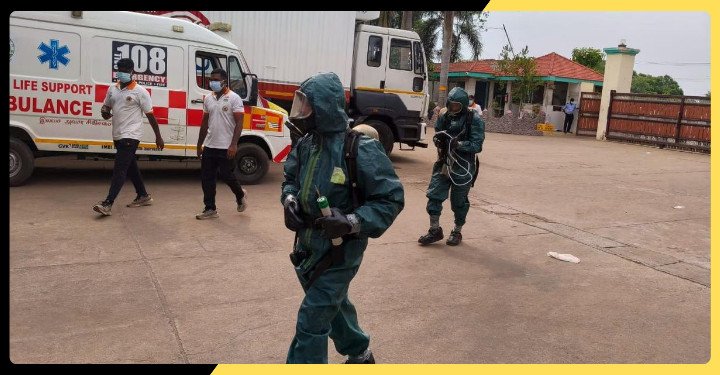
Massive Blaze at Haldia Petrochemicals Pipeline Leaves 20 Hurt

0

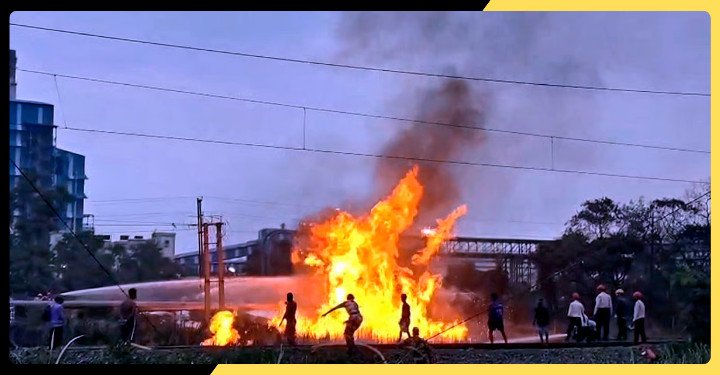
A major fire broke out at a naphtha pipeline connected to the Haldia Petrochemicals Limited (HPL) complex in West Bengal, leaving at least 20 people injured and triggering a large-scale emergency response. The incident sent thick plumes of black smoke into the sky, prompting authorities to activate safety protocols and deploy multiple fire tenders to contain the blaze.

According to preliminary information, the fire erupted near the naphtha pipeline section of the petrochemical facility during routine industrial operations. Workers present in the area immediately alerted emergency teams after noticing flames and dense smoke rising from the pipeline. Within minutes, the plant’s internal firefighting unit, supported by personnel from the state fire services, rushed to the scene to prevent the fire from spreading to nearby installations.

Officials said that around 20 workers sustained injuries, with most suffering from burns, smoke inhalation, and minor trauma while attempting to move away from the affected area. The injured were quickly transported to nearby hospitals, where they received medical treatment. Hospital authorities reported that while several workers required close observation, no fatalities had been confirmed at the time of the latest update.

Emergency responders worked continuously to cool surrounding equipment and isolate the affected pipeline. The rapid response helped prevent the flames from reaching storage tanks and other critical infrastructure, significantly reducing the risk of a larger industrial disaster. Authorities also established a safety perimeter around the site as a precautionary measure.

Eyewitnesses described scenes of panic immediately after the fire broke out. Workers evacuated the affected section following emergency alarms, while firefighting crews battled intense heat to gain control of the flames. Many employees assembled at designated safety points as emergency evacuation procedures were carried out according to industrial safety guidelines.

Senior officials from Haldia Petrochemicals stated that the company’s emergency response plan was activated as soon as the incident was reported. They confirmed that operations in the affected section had been suspended while technical teams assessed the extent of the damage. Other parts of the complex were also inspected to ensure there were no secondary hazards.

The exact cause of the fire remains under investigation. Preliminary assessments suggest that a leak or technical malfunction in the naphtha pipeline could have contributed to the incident, although officials stressed that it would be premature to reach any conclusions before a detailed forensic examination is completed. Engineers and safety experts have begun inspecting damaged equipment and reviewing operational records.

District authorities coordinated closely with plant management, fire services, police, and health officials throughout the emergency. Additional ambulances and disaster management personnel were placed on standby to respond if the situation escalated further. Environmental monitoring teams were also deployed to assess air quality in nearby areas due to the thick smoke generated by the blaze.

Industrial safety experts note that facilities handling highly flammable substances such as naphtha require rigorous maintenance, continuous monitoring, and strict adherence to operational procedures. Incidents involving petroleum products highlight the importance of regular inspections, advanced leak detection systems, and well-trained emergency response teams capable of acting within minutes.

Residents living near the industrial zone expressed concern after witnessing the smoke rising from the facility. However, local authorities stated that there was no immediate need for evacuation outside the plant premises and advised people to avoid the affected area until firefighting operations were fully completed.

As investigators continue examining the incident, attention is expected to focus on pipeline integrity, maintenance schedules, operational safety practices, and emergency preparedness. The findings of the investigation may lead to further recommendations aimed at strengthening industrial safety standards and preventing similar accidents in the future.

The fire has once again highlighted the challenges associated with operating large petrochemical complexes, where strict safety measures remain essential to protecting workers, nearby communities, and critical industrial infrastructure.

Najafgarh Police Achieve Major Breakthrough, Arrest Two Wanted Accused After Encounter

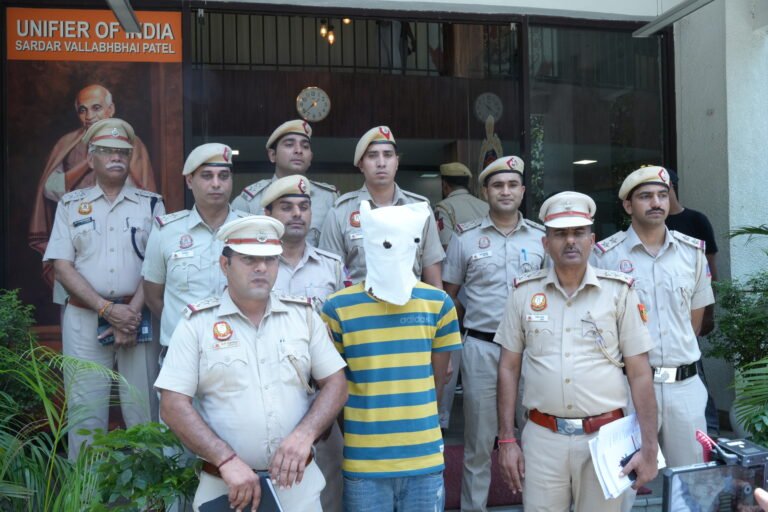
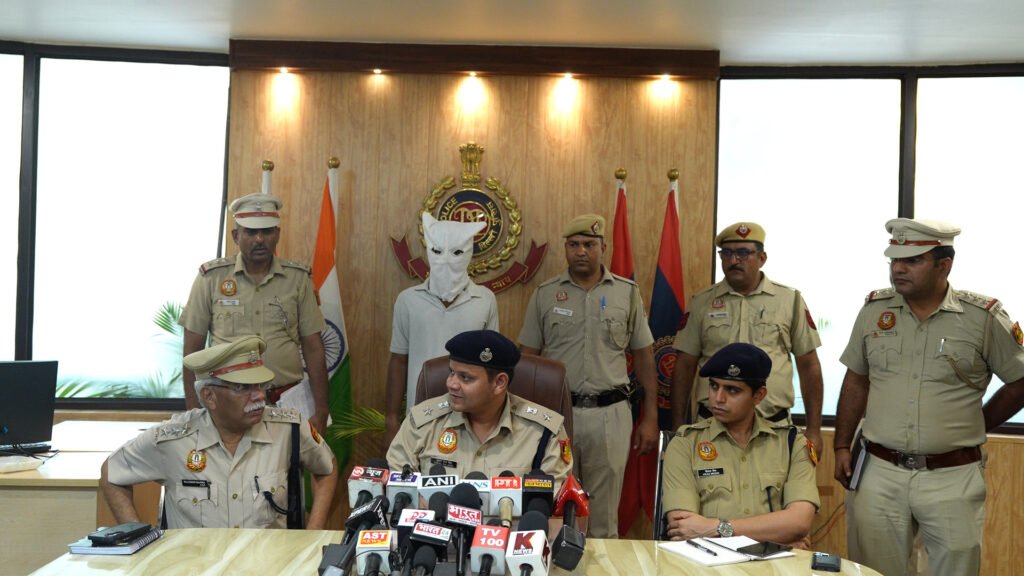
Dwarka, Delhi | June 29, 2026: The Dwarka District Police held an important press conference at the DCP Office premises in Dwarka, Delhi, on June 29, 2026. The conference was addressed by the Deputy Commissioner of Police (DCP), Dwarka District, who shared details of a major breakthrough achieved by the Najafgarh Police.

The primary focus of the press conference was the arrest of two wanted accused by the Najafgarh Police team. According to the police, the arrests were made following a brief exchange of fire between the accused and the police during the operation.

During the press briefing, one of the arrested accused was presented before the media. For security reasons, the accused’s face was covered, and he was escorted by police personnel under tight security, highlighting the success of the operation.

The DCP stated that the action was carried out based on specific intelligence inputs. When the police team attempted to apprehend the suspects, they allegedly opened fire in an attempt to escape. The police responded promptly, brought the situation under control, and successfully arrested both accused.

The operation demonstrated the courage, vigilance, and professionalism of the police team. Fortunately, no police personnel sustained any serious injuries during the encounter.

The investigation is ongoing, and further legal proceedings are being carried out in accordance with the law.

Pakistan Security Forces Kill 29 Militants in Major Border Operation Near Afghanistan

0

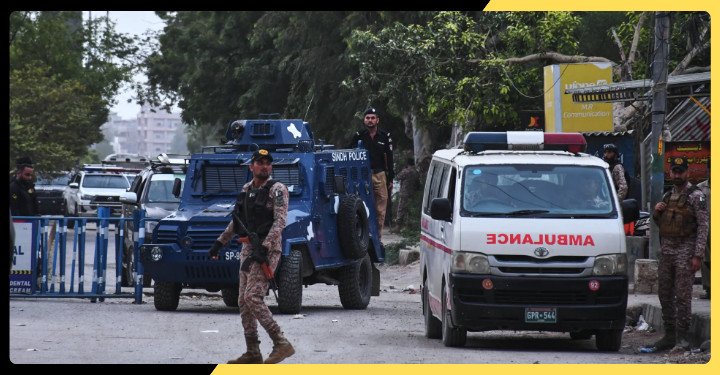
Pakistan’s security forces have announced that they killed 29 suspected militants during a major counterterrorism operation along the country’s border with Afghanistan, marking one of the largest recent military engagements in the volatile frontier region. According to official statements released by the military, the operation targeted armed fighters attempting to infiltrate Pakistani territory through rugged mountainous areas that have long served as routes for militant movement.

Military officials said the operation was launched after intelligence agencies detected suspicious activity near the border. Security personnel reportedly tracked the movement of armed groups before engaging them in a prolonged exchange of fire. The military claimed that 29 militants were killed during the confrontation while several weapons, ammunition, and communication equipment were recovered from the site. Authorities added that clearance operations continued after the initial clash to ensure that no additional militants remained hidden in nearby areas.

The Pakistan-Afghanistan border has remained a significant security challenge for decades. The difficult terrain, combined with remote mountain passes and limited infrastructure, has made it difficult for authorities to monitor every crossing point. Pakistani security officials have repeatedly stated that militant groups attempt to exploit these conditions to move fighters and weapons across the border.

Officials emphasized that the latest operation reflects Pakistan’s continued commitment to preventing cross-border terrorism and maintaining national security. They praised the professionalism of the security forces involved, noting that the operation was based on detailed intelligence gathering and careful planning. Military spokespersons described the mission as a success in disrupting militant activities before they could pose a threat to civilian populations or security installations.

The incident comes at a time when Pakistan has witnessed an increase in attacks targeting security personnel and public infrastructure in several regions, particularly in the provinces bordering Afghanistan. In response, the government has intensified intelligence-based operations aimed at dismantling militant networks operating within or near the country’s frontier areas.

Security analysts believe such operations are likely to continue as authorities seek to prevent armed groups from regrouping. Experts argue that intelligence-led missions are becoming increasingly important because they enable security agencies to target suspected militants while minimizing risks to local communities. They also point out that cooperation between military units, intelligence agencies, and local law enforcement plays a crucial role in the effectiveness of these operations.

The Pakistan military has consistently maintained that terrorist organizations continue to exploit instability in parts of the border region. Officials have urged neighboring authorities to take stronger measures against militant sanctuaries that they claim contribute to cross-border violence. Pakistan has repeatedly called for enhanced border management and greater regional cooperation to address shared security concerns.

Meanwhile, residents living near the border have experienced heightened security measures following the operation. Checkpoints have reportedly been reinforced, patrols increased, and surveillance activities expanded to prevent any further infiltration attempts. While these precautions may temporarily affect daily movement, authorities say they are necessary to ensure public safety and maintain order in sensitive border districts.

Regional security experts note that instability along the Pakistan-Afghanistan border has broader implications for South Asia. Continued militant activity can affect trade routes, economic development, and diplomatic relations between neighboring countries. They argue that long-term stability will require not only military operations but also stronger border coordination, intelligence sharing, and efforts to address the underlying conditions that allow extremist groups to recruit and operate.

International observers continue to monitor developments closely, recognizing that counterterrorism remains a shared concern across the region. While military operations can reduce immediate threats, analysts caution that sustainable peace depends on broader political dialogue, effective governance, and economic opportunities for communities living in conflict-prone areas.

The latest operation underscores Pakistan’s determination to confront militant threats through coordinated security efforts. Officials have reaffirmed that similar intelligence-based operations will continue wherever credible information indicates the presence of armed groups. They stressed that protecting citizens and safeguarding national security remain the country’s highest priorities.

As investigations continue, authorities are expected to analyze the recovered weapons and communication devices to identify possible links between the militants and larger extremist networks. The findings could provide valuable intelligence for future operations and contribute to ongoing efforts to strengthen border security in one of the region’s most challenging environments.

The Chilling Discovery at Lohagad Fort: How the Pune Murder Case Unfolded

What initially appeared to be a tragic accident at Maharashtra’s historic Lohagad Fort soon turned into one of the most shocking murder investigations in recent years. The death of 26-year-old realtor Ketan Agarwal has left the public stunned after police alleged that the incident was not an accidental fall but a carefully planned murder involving his fiancée, Siya Goyal, and her alleged lover, Chetan Chaudhary.

The incident took place on June 18, when Ketan and Siya visited the popular tourist destination near Pune. According to investigators, the couple had travelled to Lohagad Fort for what seemed like a normal outing. However, police now believe the trip was part of a pre-planned conspiracy. Officers allege that Chetan Chaudhary secretly followed the couple to the fort and waited for the right opportunity to carry out the attack.

Initially, Ketan’s death raised questions about whether he had accidentally slipped while exploring the fort’s steep cliffs. Lohagad Fort attracts thousands of visitors every year, and the rugged terrain can be dangerous if proper precautions are not taken. But as investigators examined the circumstances surrounding the incident, several inconsistencies emerged.

Police reportedly reviewed CCTV footage, analysed travel movements, questioned witnesses, and examined digital evidence before concluding that the death was far more than a simple accident. According to investigators, the accused had allegedly planned the crime in advance and even discussed how it would be carried out while avoiding suspicion.

One of the most disturbing aspects of the investigation is the alleged role played by a secret signal. Police claim that Siya Goyal and Chetan Chaudhary had agreed upon a specific cue before the fatal moment. Investigators allege that once Siya sat down at a chosen location, it indicated to Chetan that Ketan was standing in the right position near the cliff edge. At that moment, police say, Chetan approached from behind and allegedly pushed Ketan into the deep gorge below.

Authorities further claim that the signal was chosen not only to coordinate the timing of the attack but also to keep Siya away from the edge so she would not be pulled into danger if Ketan instinctively reached out while falling. These details emerged during the police investigation and the later reconstruction of the crime scene.

The investigation gathered momentum after police detained the suspects and questioned them extensively. Investigators also recreated the sequence of events at Lohagad Fort using a dummy to better understand how the alleged crime unfolded. The reconstruction formed an important part of the evidence collection process as officers attempted to verify statements and establish the timeline.

The case has attracted nationwide attention because of the alleged planning behind the crime and the close relationship between the victim and the accused. Ketan and Siya were engaged and were reportedly preparing for their wedding later this year. The allegations that someone so close to the victim could have been involved have intensified public interest in the investigation.

It is important to note that the investigation is still ongoing. The allegations made by police will ultimately be tested in court, where the accused are entitled to a fair trial. Until judicial proceedings are completed, the claims remain allegations and have not been legally proven.

As investigators continue gathering evidence, the Lohagad Fort murder case has become one of the most closely watched criminal investigations in Maharashtra, raising questions about trust, betrayal, and the meticulous planning that police believe preceded Ketan Agarwal’s death.

Introduction – Ram Temple Embezzlement Case and the Legal Dispute

0

The Ram Temple embezzlement case raises significant legal questions concerning the protection of temple assets, the fiduciary responsibilities of trustees, and the unique legal status of Hindu deities under Indian law. Although public discussions often focus on allegations of financial irregularities, the broader legal issue extends beyond allegations of misconduct. It concerns the ownership and protection of property that belongs not to any individual, but to a Hindu deity recognized by law as a juristic person. Since a deity is also regarded as a perpetual minor in legal proceedings, the courts have consistently emphasized the need to safeguard such property from unauthorized use, misuse, or misappropriation.

In India, Hindu temples are not merely places of worship. Many temples own substantial movable and immovable properties, including land, buildings, donations, ornaments, and financial investments accumulated over centuries. These assets are considered dedicated to the deity rather than to priests, trustees, or managers. The individuals entrusted with temple administration act only as custodians and fiduciaries. They are expected to manage the property solely for the benefit of the deity and for the religious purposes for which the endowment was created.

Whenever allegations of embezzlement or financial irregularities arise concerning temple property, the matter assumes a special legal character. Unlike disputes involving private property, temple assets are viewed as religious endowments held in trust. Indian courts have repeatedly held that no trustee, shebait, manager, or public authority acquires ownership over these assets merely by managing them. Their powers are limited, and every financial decision must conform to the objectives of the religious endowment.

The legal foundation for this principle rests upon the recognition of Hindu idols and deities as juristic persons. A juristic person is an artificial legal entity created by law, capable of owning property, entering legal proceedings, and enforcing legal rights through human representatives. Although a deity cannot physically act, the law treats the deity as the actual owner of dedicated property. Consequently, anyone responsible for administering temple assets must act in the deity’s best interests.

An equally important legal principle is that a Hindu deity is regarded as a perpetual minor. Since the deity cannot independently protect its interests, the courts assume a protective role. Guardians, trustees, or shebaits represent the deity before courts, but they cannot treat temple property as their own. If allegations arise that temple assets have been diverted, sold improperly, undervalued, or otherwise misused, courts may intervene to protect the deity’s interests and restore the integrity of the religious endowment.

Public attention surrounding alleged irregularities in connection with temple assets often generates widespread debate. However, allegations should be distinguished from findings established by competent courts. In any legal dispute involving alleged embezzlement, the principles of due process, evidence, and judicial determination remain fundamental. Mere accusations do not establish liability, and every allegation must be examined through lawful investigation and judicial scrutiny.

The importance of such cases extends beyond a single temple or religious institution. They influence how religious trusts across India administer donations, maintain transparency, preserve public confidence, and discharge fiduciary obligations. They also reinforce the legal doctrine that religious endowments exist for the benefit of the deity and the religious community, not for personal enrichment.

This article examines the legal principles governing temple property, the concept of juristic personality, the doctrine of perpetual minority, allegations relating to financial mismanagement, judicial safeguards, and the broader implications for religious trusts in India. Rather than focusing on speculation, the discussion emphasizes established principles of Indian law that guide courts in protecting the assets of Hindu deities and ensuring that religious endowments remain dedicated to their intended sacred purposes.

Tehran Condemns US Strikes, Calls Action Violation of Agreement Framework

0

On the 120th day of the ongoing Iran-related conflict escalation cycle, the government of Iran issued a strong condemnation of recent US military strikes, calling them a “clear violation of mutual understanding protocols” and destabilizing to an already fragile regional security environment.

Officials in Tehran stated that the strikes targeted facilities allegedly linked to strategic defense infrastructure. According to Iranian defense representatives, the targeted sites were operating under previously understood limitations discussed through indirect diplomatic channels involving regional mediators. Tehran argued that the attacks crossed “red lines” and violated what it referred to as a “non-formal Memorandum of Understanding (MoU)-style restraint mechanism” that had been loosely guiding tensions in recent months.

The Iranian Foreign Ministry spokesperson described the US action as “illegal aggression disguised as deterrence.” He further warned that such operations would “end any remaining trust-building pathways,” implying that diplomatic engagement may now be suspended or significantly downgraded.

Washington, however, defended the strikes as “precision defensive actions” aimed at preventing imminent threats to its forces and allied positions in the Middle East. US officials argued that intelligence indicated “active preparation of hostile operations” from targeted sites.

Analysts suggest that this latest escalation marks one of the most serious breakdowns in informal de-escalation arrangements seen in months. Even without a formal treaty in place, both sides had reportedly maintained tacit operational boundaries to avoid direct large-scale conflict.

Iranian state media has framed the strikes as part of a broader pattern of coercion, while public messaging in Tehran has emphasized national unity and readiness for “proportionate response options.” Military observers note that Iran’s rhetoric has grown increasingly firm, suggesting that further retaliatory steps are being considered.

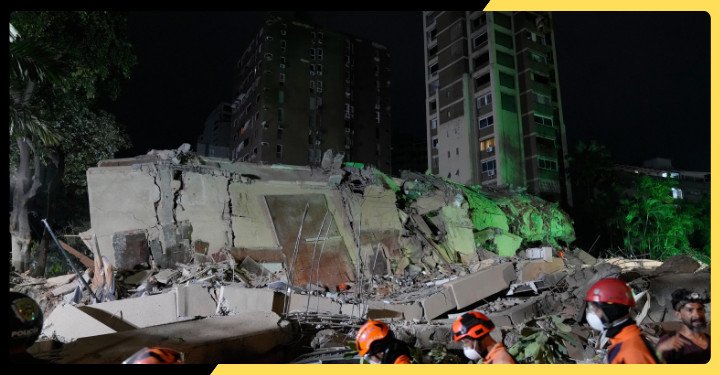
Miracle Rescue: Woman Pulled Alive from Earthquake Rubble in Venezuela

0

A dramatic rescue operation in Venezuela has captured global attention after emergency responders pulled a woman alive from the rubble following a powerful earthquake. The emotional moment unfolded after hours of careful digging through collapsed concrete, twisted metal, and debris. Rescue teams worked tirelessly, listening for signs of life before finally locating the survivor trapped beneath the wreckage.

Witnesses described an atmosphere filled with hope and anxiety as rescuers slowly removed debris by hand to avoid causing further collapse. Medical personnel stood ready nearby, monitoring the operation and preparing to provide immediate treatment. When the woman was finally brought to safety, cheers erupted from rescue workers and onlookers alike, highlighting the determination and teamwork that made the rescue possible.

Earthquakes often leave victims trapped for hours or even days, making every successful rescue a race against time. Survival depends on many factors, including available air pockets, injuries sustained, and weather conditions. Specialized rescue units use thermal imaging cameras, listening devices, and trained search dogs to locate survivors hidden beneath collapsed structures.

Following the rescue, the woman was transported to a nearby medical facility for evaluation and treatment. Authorities have not immediately released detailed information regarding her condition, but officials confirmed that she was conscious when rescued. The incident has become a symbol of resilience for communities affected by the disaster.

Emergency services continue searching damaged buildings for additional survivors while engineers assess the safety of nearby structures. Residents have been urged to remain cautious due to the possibility of aftershocks, which can weaken already damaged buildings and create additional hazards for rescue teams.

Natural disasters frequently test the preparedness and response capabilities of emergency agencies. The successful rescue underscores the importance of rapid deployment, coordinated communication, and trained personnel equipped to handle complex urban search-and-rescue operations.

As recovery efforts continue, humanitarian organizations are providing shelter, food, clean water, and medical assistance to displaced families. Local authorities are also evaluating infrastructure damage, including roads, hospitals, schools, and public utilities affected by the earthquake.

The rescue serves as a reminder of both the destructive power of earthquakes and the extraordinary dedication of first responders who risk their lives to save others. Stories like these often provide hope amid widespread devastation, inspiring communities to remain united throughout the recovery process.

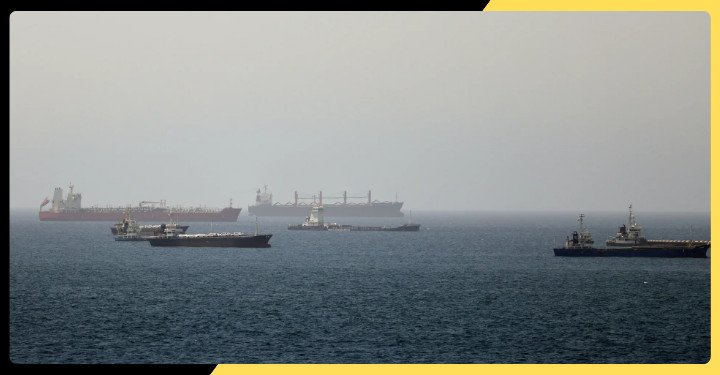
Oil Markets Stabilize After Initial Surge Amid Strait of Hormuz Concerns

0

Global oil markets experienced a sharp but short-lived spike following heightened concerns over potential disruptions linked to evacuation plans and security developments around the Strait of Hormuz. The waterway, one of the world’s most critical energy chokepoints, handles a significant share of global crude oil and liquefied natural gas shipments. Any perceived risk to its stability tends to trigger immediate reactions in energy markets, as traders quickly price in potential supply shocks.

In the early phase of the incident, crude oil prices surged as traders responded to reports suggesting that evacuation planning and regional security escalations could threaten shipping lanes. Benchmark crude contracts climbed sharply within hours, reflecting fears that even a temporary disruption could tighten global supply. Market participants moved into defensive positioning, with increased buying of oil futures and hedging activity across major exchanges in London and New York.

However, the rally began to lose momentum as further updates indicated that the evacuation-related developments were precautionary rather than indicative of an imminent closure or sustained blockade. Diplomatic signals and maritime monitoring reports suggested that commercial shipping continued to move through the Strait with only minor delays. As clarity improved, speculative pressure eased, and profit-taking emerged among traders who had entered the market during the initial spike.

By the following trading sessions, oil prices had begun to stabilize, retreating from their highs as supply disruption fears were reassessed. Brent crude and West Texas Intermediate both reflected moderated gains, returning closer to their pre-spike trading ranges. Analysts noted that while geopolitical risk remains a persistent feature of energy markets, the absence of confirmed supply interruption helped restore a degree of confidence.

Market analysts emphasized that the Strait of Hormuz remains a structurally sensitive region for global energy flows, but historical patterns show that price spikes triggered by geopolitical headlines often fade unless concrete disruptions occur. Traders have become increasingly adept at distinguishing between rhetoric-driven volatility and actual supply-side constraints. This dynamic contributed to the relatively quick cooling of prices after the initial surge.

Another factor supporting stabilization was the presence of relatively balanced global supply conditions at the time of the incident. Adequate production levels from key exporters, along with strategic petroleum reserves in several consuming nations, helped reduce panic buying. Additionally, shipping insurance rates, which often spike during regional tensions, did rise temporarily but did not reach levels typically associated with sustained crisis conditions.

Energy analysts also pointed to algorithmic trading as a contributor to the sharp initial spike and subsequent correction. Automated systems often react rapidly to geopolitical keywords and risk signals, amplifying early price movements. Once human traders reassessed the situation and headlines softened, these positions were unwound just as quickly, accelerating the retreat in prices.

Despite the easing trend, caution remains in the market. The Strait of Hormuz continues to be closely monitored due to its strategic importance, and any renewed escalation could quickly reverse the current stability. Traders are now focusing on upcoming inventory reports, production guidance from major oil-producing nations, and broader macroeconomic indicators that influence demand.

In summary, the oil market’s reaction highlights a familiar pattern: rapid escalation on geopolitical uncertainty followed by stabilization once clarity improves. While the initial surge reflected genuine sensitivity to potential supply risks, the subsequent easing underscores the market’s reliance on verified disruptions rather than speculative fears. The situation reinforces the Strait of Hormuz’s enduring role as a critical but highly scrutinized artery in global energy trade, where even minor signals can temporarily reshape pricing dynamics before fundamentals reassert control.

Ram Mandir Donation Theft Allegations Spark Political and Public Debate

0

The alleged theft of donations from the Ram Mandir in Ayodhya has triggered widespread political discussion, public concern, and renewed debates about accountability in the management of religious institutions. As one of India’s most significant places of worship, the Ram Mandir attracts millions of devotees every year, many of whom contribute generously through cash donations, digital payments, and offerings. Any allegations involving the misuse or theft of these funds naturally draw national attention because of the temple’s religious, cultural, and symbolic importance.

The controversy began after reports surfaced alleging that a portion of the donations collected at the temple had gone missing. These claims quickly gained traction across news outlets and social media platforms, prompting calls for an impartial investigation. Political leaders from different parties responded to the reports, with some demanding greater transparency in the handling of temple finances, while others urged caution until the facts were officially verified.

Temple authorities have responded by addressing the allegations and cooperating with the relevant administrative procedures. Officials emphasized that systems are in place to monitor donations and maintain financial records. They also stated that any irregularities, if confirmed, would be investigated thoroughly according to the law. Such responses are aimed at maintaining public confidence while ensuring that due process is followed before conclusions are drawn.

The issue has also highlighted the challenges associated with managing large volumes of donations at prominent religious sites. Major temples across India receive significant daily contributions, requiring sophisticated systems for collection, counting, recording, storage, and auditing. Even with established procedures, isolated incidents or allegations can raise broader concerns about whether existing safeguards are sufficient to prevent financial misconduct.

Political reactions have further intensified public interest in the matter. Opposition leaders have questioned whether stronger oversight mechanisms should be introduced, while supporters of the current management have argued against making premature judgments based on unverified claims. As a result, the discussion has expanded beyond the specific allegations to include broader questions about governance, transparency, and institutional accountability.

Public opinion remains divided. Many devotees continue to express unwavering faith in the temple administration, believing that any issues will be resolved through official investigations. Others argue that regular independent audits and public disclosure of financial records could strengthen trust and reduce speculation in the future. These differing perspectives reflect the importance of balancing religious sentiments with principles of financial accountability.

Experts in public administration note that transparency is essential for any institution handling substantial public contributions. They suggest measures such as digital tracking of donations, surveillance during cash handling, independent auditing, and periodic publication of financial summaries. While many religious organizations already follow similar practices, the current controversy has renewed discussions about adopting standardized systems across major temples.

Media coverage has played a significant role in shaping public perceptions. While responsible reporting can inform citizens about ongoing investigations, speculative or sensational coverage may contribute to confusion before official findings become available. Therefore, many observers emphasize the importance of relying on verified information rather than rumors circulating online.

Ultimately, the allegations surrounding donations at the Ayodhya Ram Mandir underscore the need for careful investigation and transparent communication. Regardless of the outcome, the controversy has prompted valuable discussions about financial governance within religious institutions. Protecting public trust requires not only addressing individual allegations but also ensuring that robust systems exist to safeguard donations made by millions of devotees. As investigations continue and more information becomes available, the focus is likely to remain on accountability, transparency, and preserving the confidence of worshippers in one of India’s most revered religious sites.

Father of Pune Fort Murder Accused Says He Never Knew Siya Goyal

0

The investigation into the Pune Fort murder case has taken a significant turn after the father of the accused publicly stated that neither he nor his family had ever seen or known Siya Goyal before the incident. His remarks have added another dimension to a case that has already drawn widespread public attention and raised numerous questions about the circumstances surrounding the crime.

According to the accused’s father, the family was shocked when they learned about the allegations against his son. Speaking to media representatives, he maintained that there was no prior connection between the accused and Siya Goyal that he was aware of. He emphasized that the family had never met the victim and had no reason to believe that any relationship existed between the two individuals.

The statement comes at a time when investigators are examining multiple aspects of the case, including the possibility of prior interactions, communication records, and the movements of those involved before the incident occurred. Law enforcement agencies are reportedly collecting evidence from various sources to establish a clear timeline and determine what led to the tragic event.

Public interest in the case has remained high since details first emerged. The murder, which allegedly took place near a historic fort area in Pune, has sparked concerns about public safety and the circumstances that led to the incident. Social media discussions have further amplified attention on the investigation, with many users demanding swift justice and a thorough examination of all available evidence.

The accused’s father insisted that the family is cooperating with authorities and wants the truth to come out. He acknowledged the seriousness of the allegations while urging people not to jump to conclusions before the investigation is complete. According to him, media reports and speculation have created additional stress for both families involved.

Legal experts note that statements made by family members are often part of the broader narrative surrounding high-profile criminal investigations. However, investigators typically rely on documentary evidence, witness testimonies, forensic findings, and digital records to establish facts. Family accounts can provide context, but they are only one component of the overall inquiry.

Meanwhile, authorities continue to examine whether there were any previous interactions between the accused and the victim. Investigators are expected to review mobile phone data, social media activity, and other relevant records that could shed light on the relationship, if any, between the individuals involved.

The case has also reignited discussions about safety measures at tourist and historical locations. Community members and local residents have called for stronger surveillance, improved security arrangements, and increased police presence in areas that attract large numbers of visitors.

As the investigation progresses, both families remain at the center of public scrutiny. While the victim’s relatives seek answers and justice, the accused’s family continues to maintain that they were unaware of any connection between their son and Siya Goyal.

The coming weeks are likely to be crucial as authorities gather additional evidence and present their findings. Until then, many questions remain unanswered. The father’s statement has added another perspective to the ongoing investigation, but the final conclusions will ultimately depend on the evidence collected by law enforcement agencies and the judicial process that follows.

Venezuela Devastated by Twin Earthquakes as Death Toll Rises and Rescue Efforts Intensify

0

Venezuela has been struck by two powerful earthquakes that have left widespread destruction across several regions, killing at least 32 people and injuring hundreds more. The twin tremors, which occurred within a short span of time, sent residents rushing into the streets as buildings shook violently and infrastructure suffered extensive damage. Authorities have declared emergency measures in the worst-affected areas while rescue teams continue searching for survivors trapped beneath collapsed structures.

The first earthquake was felt across a large portion of the country, causing panic among residents and disrupting transportation networks. Minutes later, a second powerful tremor compounded the crisis, damaging buildings that had already been weakened by the initial quake. Hospitals, schools, and residential complexes were among the structures affected, with emergency responders working around the clock to assess the full extent of the disaster.

Government officials reported that rescue operations have been launched in multiple provinces. Specialized search-and-rescue teams equipped with heavy machinery, drones, and medical units have been deployed to areas where the destruction is most severe. Emergency shelters have also been established to accommodate families displaced by the disaster.

International support has begun pouring into Venezuela as neighboring countries and humanitarian organizations offer assistance. Several governments have pledged financial aid, emergency medical supplies, and technical expertise to support ongoing recovery efforts. Global relief agencies are coordinating with local authorities to ensure that critical resources reach affected communities as quickly as possible.

Experts warn that aftershocks could continue for days, creating additional risks for rescue workers and residents returning to damaged buildings. Seismologists are closely monitoring the situation and advising people to remain cautious. Authorities have urged citizens to follow emergency guidelines and avoid entering structures that may be unstable.

The disaster has renewed discussions about earthquake preparedness and infrastructure resilience in the region. Engineers and disaster management experts emphasize the importance of enforcing building standards capable of withstanding seismic activity. Many affected communities are now facing the challenge of rebuilding homes, businesses, and public infrastructure.

As rescue operations continue, families anxiously await news about missing relatives. Community volunteers have joined official efforts, distributing food, water, and essential supplies to survivors. The coming days are expected to be critical as authorities work to restore basic services and assess long-term recovery needs.

Trump and Lutnick Clash Over India’s Tariff Figures During Trade Discussions

0

A reported disagreement between former US President Donald Trump and Commerce Secretary Howard Lutnick over India’s tariff figures has shed light on the complexities surrounding trade negotiations between Washington and New Delhi. The exchange, described by sources familiar with the matter, reportedly occurred during discussions about trade barriers and market access, with Trump expressing frustration over the accuracy of the numbers presented to him.

According to reports, Trump challenged Lutnick’s assessment of India’s tariff regime, arguing that the figures being cited did not accurately reflect the reality of the trade relationship. The former president, known for his aggressive stance on international trade, has long criticized countries that he believes impose unfair barriers on American products. India has frequently been among the nations he singled out during his political career.

The disagreement highlights a broader debate about how tariffs are calculated and interpreted. While tariff rates can be measured using various methodologies, the effective impact on trade often depends on product categories, exemptions, and non-tariff barriers. These nuances can lead policymakers to reach different conclusions about the fairness of a trading relationship.

India has consistently defended its trade policies, arguing that its tariffs are designed to protect domestic industries while remaining compliant with international trade rules. Indian officials have also pointed out that many developed economies maintain their own forms of protectionism through subsidies and regulatory requirements.

For the United States, trade with India has become increasingly important as businesses seek alternatives to overreliance on China. The strategic partnership between the two countries has expanded significantly in recent years, encompassing defense, technology, and supply chain cooperation. However, trade disputes have remained a recurring challenge.

Trump’s reported frustration with the tariff data underscores his long-standing preference for simple and direct trade metrics. Throughout his political career, he frequently cited trade deficits and tariff levels as indicators of whether a relationship was fair. Critics argue that such measures often fail to capture the complexity of modern global commerce, while supporters contend that they provide a straightforward way to identify imbalances.

The exchange with Lutnick also reflects the pressures facing policymakers tasked with balancing economic realities and political messaging. Trade figures can be interpreted in different ways depending on the objectives of the discussion. What appears as a high tariff in one context may be offset by concessions or exemptions in another.

Analysts note that any future US administration seeking deeper economic engagement with India will need to address these differences carefully. While both nations share strategic interests, disagreements over tariffs, market access, and regulatory standards continue to influence negotiations.

Despite occasional tensions, there remains strong momentum for closer economic cooperation. Businesses in both countries see significant opportunities in expanding trade and investment ties. As a result, policymakers are expected to continue working toward agreements that reduce barriers and create new opportunities for growth.

The reported clash between Trump and Lutnick serves as a reminder that trade policy is often shaped as much by internal debates as by negotiations with foreign governments. Understanding the data behind trade relationships remains critical to developing effective strategies that benefit businesses, workers, and consumers on both sides.

Delhi Child Murder Case Shocks Nation: Family Demands Swift Justice

0

A tragic crime involving a 10-year-old girl in Delhi has sparked widespread outrage across the country, renewing concerns about the safety of children and the effectiveness of measures designed to protect them. The heartbreaking incident, which began with the child’s disappearance and ended in a murder investigation, has left family members, local residents, and citizens across India demanding strict punishment for those responsible.

According to reports, the young girl went missing from her neighborhood, prompting immediate concern among family members. Relatives and local residents began searching for her after she failed to return home. As hours passed without any information about her whereabouts, anxiety grew within the community. The family approached authorities and requested urgent assistance in locating the child.

The case took a devastating turn when investigators discovered evidence suggesting that the girl had been kidnapped. What initially appeared to be a missing child case quickly evolved into a major criminal investigation involving allegations of abduction, sexual assault, and murder. The revelations shocked the local community and triggered strong reactions on social media platforms, where thousands of users expressed grief and anger.

Family members described the victim as a cheerful and innocent child with dreams and aspirations for the future. Neighbors recalled her as a friendly girl who often played with other children in the area. The sudden and violent nature of the crime has left those who knew her struggling to come to terms with the tragedy.

As news of the incident spread, public pressure mounted on law enforcement agencies to identify and arrest the suspects. Police teams reportedly launched extensive investigations, collecting evidence, interviewing witnesses, and examining surveillance footage from the surrounding areas. Officials emphasized that every effort was being made to ensure that those responsible would be brought to justice.

The incident has once again highlighted concerns regarding child safety in urban areas. Experts and activists argue that despite existing laws intended to protect minors, many families continue to worry about the risks children face in public spaces. They stress the need for stronger preventive measures, better community awareness, and faster emergency response systems when children are reported missing.

Women’s rights groups and child protection organizations have also condemned the crime, calling for swift legal proceedings. Several activists stated that cases involving crimes against children should be handled with urgency to ensure accountability and deter future offenses. They emphasized that justice must not be delayed, particularly in cases involving vulnerable victims.

Political leaders and public figures have also reacted to the incident, offering condolences to the grieving family and urging authorities to take decisive action. Many have called for stronger implementation of existing laws and improved coordination among agencies responsible for child welfare and public safety.

Meanwhile, residents in the victim’s neighborhood have organized gatherings and candlelight vigils to honor the young girl’s memory. Community members have demanded increased police patrols and enhanced security measures in the area. Many parents have expressed fear and concern, saying the incident has deeply affected their sense of safety.

The tragedy serves as a painful reminder of the challenges that remain in protecting children from violent crimes. While laws and institutions play a crucial role, experts note that community vigilance, awareness programs, and rapid intervention mechanisms are equally important in preventing such incidents.

As the investigation continues, the victim’s family is focused on one demand: justice. They have urged authorities to ensure a thorough and transparent inquiry and to impose the strongest possible punishment on those found guilty. Across the country, many citizens share that demand, hoping that accountability in this case will reinforce the message that crimes against children will not be tolerated.

The case has left an enduring impact on the nation, prompting reflection, grief, and renewed calls for action to safeguard every child’s right to live in safety and dignity.

Pune Businessman’s Son Death at Lohagad Fort: Murder Allegations Replace Accident Theory

0

The death of a Pune businessman’s son following a reported 400-foot fall at Lohagad Fort has taken a dramatic turn after investigators began examining evidence that suggests the incident may not have been an accident. Initially, authorities treated the case as a tragic mishap, believing the victim had lost his balance while exploring the historic fort. However, fresh developments have shifted the focus toward a possible murder investigation involving the victim’s fiancée and one of her male friends.

According to reports, investigators started re-evaluating the circumstances surrounding the fall after inconsistencies emerged in witness statements and timelines provided by individuals present at the scene. The victim, who was reportedly enjoying an outing with his fiancée and others, was later found at the bottom of a steep cliff. The sheer height of the fall immediately raised questions, but the initial assumption was that it resulted from an unfortunate accident.

As the investigation progressed, authorities reportedly examined mobile phone records, communication histories, and statements from people close to the victim. These inquiries allegedly uncovered contradictions that prompted a deeper probe. Investigators are said to be exploring whether personal disputes, relationship tensions, or financial motives may have played a role in the incident.

The involvement of the victim’s fiancée and her male friend has intensified public interest in the case. Police sources suggest that investigators are carefully analyzing their movements before and after the incident. Any discrepancies between their accounts and the available evidence could prove significant as the case develops.

The tragedy has also highlighted the challenges faced by investigators when determining whether a fall from a remote location was accidental or intentional. In many such cases, forensic evidence, witness testimony, and digital records become crucial in establishing the truth.

Family members of the deceased have reportedly demanded a thorough and transparent investigation. They argue that unanswered questions remain and insist that authorities leave no angle unexplored. Their concerns have added pressure on law enforcement agencies to ensure that all evidence is examined objectively.

Meanwhile, legal experts note that establishing murder charges in cases involving falls can be complex. Prosecutors must demonstrate intent, opportunity, and supporting evidence beyond mere suspicion. As a result, investigators are expected to rely heavily on forensic findings and corroborative material.

The case has captured widespread attention due to its combination of personal relationships, alleged betrayal, and a mysterious death at a popular tourist destination. Public interest is likely to remain high as more details emerge and authorities continue their inquiry.

Ultimately, the investigation aims to answer a critical question: was the victim’s death the result of a tragic accident, or was it a carefully planned crime disguised as one? Until official findings are presented in court, speculation is likely to continue, making this one of the most closely watched cases in recent times.

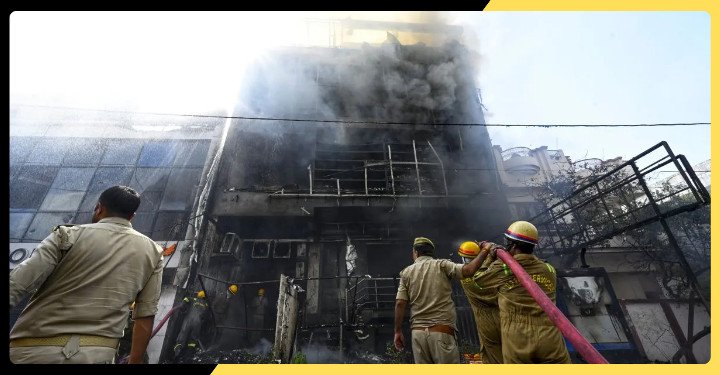
Lucknow Blaze Raises Serious Questions Over Building Safety Compliance

0

The devastating fire that engulfed a commercial building in Lucknow has once again brought the issue of urban safety and regulatory oversight into sharp focus. As emergency responders battled flames and smoke for hours, attention quickly shifted from the immediate tragedy to the larger questions surrounding building approvals, fire safety compliance, and the role of the local development authority.

Residents and business owners expressed shock over the scale of the incident. Eyewitnesses described scenes of panic as occupants attempted to escape through smoke-filled corridors while firefighters struggled to gain access to critical sections of the structure. The incident highlighted how quickly a routine day can turn into a life-threatening emergency when safety mechanisms fail or are absent.

Initial reports suggest that investigators are examining whether the building adhered to mandatory fire safety regulations. Questions have emerged regarding the availability of emergency exits, functioning fire alarms, smoke detectors, and firefighting equipment. Experts note that even modern buildings can become death traps if safety systems are neglected or if unauthorized modifications compromise evacuation routes.

The development authority now finds itself under intense scrutiny. Critics argue that regulatory agencies are responsible not only for approving building plans but also for ensuring continued compliance through periodic inspections. If deficiencies existed, many are asking why they were not identified and corrected before disaster struck.

Urban planning specialists have long warned that rapid commercial expansion often outpaces enforcement mechanisms. In many growing cities, buildings undergo alterations after receiving approval, creating discrepancies between sanctioned plans and actual structures. Such changes can significantly increase fire risks and complicate rescue operations during emergencies.

The Lucknow fire has also renewed debate about accountability. Residents are demanding transparency regarding inspection records, safety certifications, and occupancy permissions. Civic groups argue that public access to such information could encourage better compliance and allow citizens to make informed decisions about the spaces they occupy.

Emergency response teams deserve recognition for their efforts under difficult conditions. Firefighters worked tirelessly to contain the blaze and prevent it from spreading to adjacent structures. However, experts emphasize that emergency response alone cannot compensate for inadequate prevention measures.

The tragedy serves as a reminder that fire safety is a shared responsibility involving property owners, tenants, regulators, and enforcement agencies. Regular audits, strict penalties for violations, and public awareness campaigns are essential components of a comprehensive safety framework.

As investigations continue, the findings could have implications far beyond a single building. Authorities may face increasing pressure to review existing approvals, conduct large-scale inspections, and strengthen enforcement procedures across the city. Such measures could help prevent similar incidents and restore public confidence in regulatory systems.

For many residents, the central question remains simple: could this disaster have been prevented? The answer will depend on the evidence uncovered in the coming weeks. What is already clear, however, is that the fire has exposed vulnerabilities that demand urgent attention. The lessons learned from this incident must translate into meaningful reforms if future tragedies are to be avoided.

Sugar Killer Empowering Global Wellness Through Advanced Ayurvedic Healthcare Solutions

For more than three decades, Sugar Killer has stood as a symbol of trust, quality, and Ayurvedic excellence. Established in 1995 in Meerut, Uttar Pradesh, the company was founded by Mr. Raghav Singhal with a vision of making traditional Ayurvedic wellness solutions accessible to people seeking a healthier lifestyle. Today, under his continued leadership as Founder and CEO, Sugar Killer continues to expand its influence across India and international markets while maintaining its commitment to quality and innovation.

The story of Sugar Killer is built upon the timeless principles of Ayurveda. From the beginning, the company recognized the importance of preserving traditional knowledge while adapting to modern consumer expectations. This unique combination has allowed the organization to create products that reflect centuries of Ayurvedic wisdom supported by contemporary manufacturing practices and quality standards.

At the heart of Sugar Killer’s success is its flagship product, Sugar Killer Anti-Sugar. The product represents the company’s dedication to developing high-quality Ayurvedic wellness solutions through extensive research, careful ingredient selection, and strict manufacturing controls. Every aspect of the product’s development is designed to align with the company’s mission of delivering dependable Ayurvedic products that customers can trust.

A major factor contributing to the company’s reputation is its dedicated team of 12 Ayurvedic doctors. These experienced professionals play an important role in ensuring the integrity and quality of the company’s products. Their expertise contributes to formulation development, quality assessment, and ongoing product improvement initiatives. Through their efforts, Sugar Killer maintains a strong connection between traditional Ayurvedic principles and modern wellness requirements.

The doctors also help educate customers about the importance of adopting a balanced lifestyle and understanding Ayurvedic wellness practices. Their involvement demonstrates the company’s commitment to supporting customers not only through products but also through knowledge and guidance. This holistic approach has become one of the defining characteristics of the Sugar Killer brand.

Quality remains a central pillar of the company’s operations. Sugar Killer utilizes a large-scale manufacturing facility equipped with modern technology and advanced quality-control systems. The facility has been designed to support efficient production while ensuring that every product meets strict quality standards. From the procurement of raw materials to final packaging, every stage is carefully monitored to maintain consistency and reliability.

The manufacturing infrastructure allows Sugar Killer to produce products at scale without compromising quality. Advanced equipment, trained professionals, and detailed quality checks help ensure that every product reflects the company’s commitment to excellence. Continuous investment in manufacturing capabilities has enabled the organization to meet increasing demand while maintaining high standards of purity and consistency.

Over the years, Sugar Killer has grown from a regional Ayurvedic company into an internationally recognized wellness brand. The company currently exports its products to Australia, the United States, the Netherlands, and Croatia. These international markets represent important milestones in the company’s growth journey and reflect increasing global appreciation for Ayurvedic wellness solutions.

Entering global markets requires a strong commitment to quality and compliance with international expectations. Sugar Killer has successfully built its export presence by focusing on reliable manufacturing practices, product consistency, and customer satisfaction. The company’s ability to serve customers across different countries demonstrates the strength of its operational systems and the confidence international consumers place in its products.

The success of Sugar Killer in international markets is also a reflection of the growing global interest in natural wellness solutions. Consumers around the world are increasingly exploring traditional health systems such as Ayurveda as part of their wellness journeys. Sugar Killer has positioned itself to meet this demand by offering products developed with attention to quality, authenticity, and customer needs.

Customer satisfaction remains a key priority for the company. Every decision, from product development to customer support, is guided by a commitment to delivering value and building long-term relationships. Sugar Killer believes that trust is earned through consistent quality and responsible business practices. This philosophy has helped the company develop a loyal customer base over the years.

Innovation continues to play an important role in the company’s growth strategy. While remaining grounded in Ayurvedic traditions, Sugar Killer actively explores opportunities to improve production processes, enhance quality systems, and expand its product offerings. This commitment to continuous improvement allows the company to remain competitive in an evolving wellness industry.

The leadership of Mr. Raghav Singhal has been instrumental in driving the company’s success. His dedication to Ayurvedic wellness, commitment to quality, and focus on customer satisfaction have shaped the organization’s culture and long-term vision. Through strategic planning and responsible growth, he has guided Sugar Killer from a local enterprise to a brand with international recognition.

As the company looks ahead, its mission remains unchanged: to promote wellness through high-quality Ayurvedic solutions. With a skilled team of 12 doctors, a modern manufacturing facility, strong export operations, and decades of experience, Sugar Killer is well-positioned to continue expanding its impact in the global wellness sector.

The journey of Sugar Killer demonstrates how dedication, expertise, and a commitment to quality can transform a vision into a trusted international brand. From its roots in Meerut to its presence in countries across multiple continents, the company continues to uphold the values that have guided it since 1995. Through innovation, customer focus, and respect for Ayurvedic traditions, Sugar Killer remains committed to supporting wellness-conscious consumers around the world while building a legacy of excellence for future generations.

Keir Starmer Steps Down as UK Prime Minister Amid Growing Labour Revolt

0

The resignation of Prime Minister Keir Starmer marks a dramatic turning point in British politics. After months of growing internal tensions, the Labour leader reportedly bowed to increasing pressure from within his own party, bringing an abrupt end to his tenure at Downing Street.

Starmer’s departure follows a period of intense scrutiny over government policies, electoral performance, and party management. While Labour entered government with promises of stability and reform, disagreements over economic priorities, public spending, and leadership style gradually widened divisions among party members. Senior Labour figures reportedly expressed concerns that the government was struggling to maintain public confidence while addressing key national challenges.

The pressure intensified after a series of disappointing opinion polls and criticism from both grassroots activists and parliamentary colleagues. Several MPs called for a change in direction, arguing that the party risked losing momentum if internal concerns were not addressed. Although Starmer initially resisted calls to step aside, sources suggested that discussions behind closed doors increasingly focused on leadership succession.

In his resignation statement, Starmer emphasized his commitment to the Labour movement and stated that his decision was made in the party’s best interests. He highlighted achievements made during his time in office, including efforts to strengthen public services, support economic growth, and restore trust in government institutions.

Political analysts note that leadership challenges are not uncommon in British politics, particularly when governing parties face internal divisions. However, the resignation of a sitting prime minister remains a significant event with far-reaching implications. Attention is now turning to the process of selecting a new Labour leader capable of uniting different factions within the party.

Opposition parties have responded by questioning Labour’s ability to provide stable leadership. Critics argue that the leadership crisis exposes deeper problems within the governing party, while Labour supporters contend that a leadership transition could offer an opportunity for renewal.

Financial markets and international observers are also monitoring developments closely. Political uncertainty often raises questions about future policy direction, especially regarding taxation, investment, and public spending commitments. Business leaders are expected to seek assurances that government priorities will remain consistent during the transition period.

The coming weeks are likely to be crucial for Labour. Party members, MPs, and trade union representatives will play a significant role in determining who emerges as the next leader. The contest could shape not only the future of Labour but also the broader political landscape of the United Kingdom.

For now, Starmer’s resignation represents the end of one chapter and the beginning of another. Whether Labour emerges stronger from the transition will depend largely on its ability to resolve internal disagreements and present a clear vision for the country’s future.

Seven Women Die in Toxic Gas Leak at Tiruvallur Seafood Processing Factory

0

A tragic industrial accident in Tiruvallur, Tamil Nadu, claimed the lives of seven women workers after a suspected toxic gas leak occurred inside a seafood processing factory. The incident has raised serious concerns about workplace safety standards, emergency preparedness, and the protection of workers in hazardous industrial environments.

According to preliminary reports, the accident took place during regular operations at the seafood processing facility. Workers were engaged in routine production activities when a strong odor reportedly spread through a section of the factory. Within minutes, several employees began experiencing breathing difficulties, dizziness, and unconsciousness. Panic quickly spread among workers as many attempted to evacuate the premises.

Emergency services were alerted immediately, and rescue teams rushed to the site. However, seven women workers succumbed to the effects of the suspected gas exposure before they could receive adequate medical treatment. Several other employees were hospitalized, with some requiring intensive care due to respiratory complications.

Authorities launched an investigation to determine the exact cause of the leak. Officials are examining whether the incident resulted from equipment failure, improper chemical storage, poor ventilation systems, or negligence in maintaining industrial safety protocols. Experts have also collected samples from the site to identify the type of gas involved and assess the extent of contamination.

The tragedy has sparked widespread outrage among labor rights groups and local residents. Many have questioned whether the factory management had implemented adequate safety measures to protect workers from industrial hazards. Concerns have also been raised about the availability of protective equipment, emergency response systems, and worker training programs designed to handle chemical emergencies.

Family members of the victims gathered outside hospitals and government offices seeking answers. The loss of seven lives has left entire communities in mourning, particularly because many of the deceased women were primary earners supporting their families. Relatives described the victims as hardworking individuals who had left home expecting a normal workday and never returned.

State government officials expressed condolences to the affected families and assured the public that a thorough investigation would be conducted. Compensation packages for the victims’ families have been announced, while authorities have pledged strict action if violations of safety regulations are discovered.

Industrial safety experts argue that the incident highlights broader concerns affecting manufacturing and processing sectors across the country. While regulations governing workplace safety exist, implementation and enforcement often remain inconsistent. Experts emphasize the need for regular inspections, risk assessments, and employee training programs to minimize the likelihood of such accidents.

Trade unions have called for stronger accountability measures, including criminal liability for management personnel found responsible for negligence. Worker representatives are demanding comprehensive safety audits not only at the affected factory but also across similar industrial facilities operating in the region.

The seafood processing industry plays a significant role in the local economy, providing employment to thousands of workers, particularly women. However, the tragedy has renewed debate over working conditions in labor-intensive industries. Advocacy groups argue that economic growth should never come at the expense of worker safety and well-being.

Medical professionals treating survivors have noted that exposure to toxic industrial gases can cause severe respiratory distress, neurological complications, and long-term health problems. They stressed the importance of rapid evacuation procedures and immediate medical intervention in reducing fatalities during such emergencies.

As investigators continue their work, authorities are reviewing surveillance footage, maintenance records, and employee testimonies to reconstruct the sequence of events leading to the accident. The findings are expected to play a crucial role in determining responsibility and preventing similar incidents in the future.

The Tiruvallur factory tragedy serves as a stark reminder of the risks faced by industrial workers every day. It underscores the urgent need for stronger safety cultures, stricter regulatory oversight, and greater investment in workplace protection systems. For the families who lost loved ones, however, these measures come too late. Their grief now stands as a painful testament to the consequences of industrial safety failures and the importance of ensuring that every worker returns home safely after a day’s work.

Israeli Airstrikes in Lebanon Leave 22 Dead Amid Rising Regional Tensions

0

A new wave of Israeli airstrikes in Lebanon has left at least 22 people dead, intensifying fears of a broader conflict in the Middle East and casting a shadow over ongoing diplomatic efforts between the United States and Iran. The strikes, which targeted multiple locations across southern Lebanon, represent one of the most significant escalations in recent months and have drawn concern from regional and international leaders alike.

According to reports from local authorities, the attacks struck areas believed to be associated with armed groups operating near the Israel-Lebanon border. Israeli officials stated that the military action was conducted in response to security threats and aimed at preventing future attacks against Israeli territory. However, Lebanese authorities have claimed that several civilians were among those killed, raising fresh concerns about the humanitarian consequences of the conflict.

The latest violence comes at a particularly sensitive time for the region. Diplomatic channels between Washington and Tehran have been exploring opportunities to reduce tensions and address a range of security concerns. While negotiations have faced numerous obstacles, both sides had signaled a willingness to continue discussions. The outbreak of renewed hostilities now threatens to undermine those efforts and complicate an already fragile diplomatic landscape.

Lebanon has long been a focal point of regional rivalry. The country sits at the crossroads of competing political, military, and ideological interests involving Israel, Iran, and various local actors. Any major escalation along the border has the potential to draw in multiple parties and increase instability throughout the region. Analysts warn that the current situation could trigger retaliatory actions, creating a cycle of violence that becomes increasingly difficult to contain.

International reactions have been swift. Several governments have called for restraint and urged all parties to avoid actions that could lead to a wider conflict. Humanitarian organizations have also expressed concern over the impact on civilian populations, particularly in communities already struggling with economic hardship and political uncertainty. Lebanon continues to face significant financial challenges, and renewed violence risks placing additional pressure on public services and infrastructure.

For the United States, the timing of the strikes presents a diplomatic dilemma. American officials have sought to maintain strong relations with Israel while simultaneously pursuing dialogue with Iran on broader regional issues. Escalating violence may force policymakers to reassess their approach and devote greater attention to crisis management. The success of future negotiations could depend on whether regional actors are able to prevent further military confrontations.

Iran has strongly condemned the attacks, describing them as a threat to regional stability. Tehran has repeatedly emphasized its support for groups allied with its interests across the Middle East, and any increase in hostilities could influence its calculations regarding ongoing diplomatic engagement. Observers note that incidents such as these often strengthen hardline positions within governments, making compromise more difficult to achieve.

Security experts caution that the coming days will be critical. If additional strikes or retaliatory actions occur, the possibility of a broader conflict cannot be ruled out. At the same time, diplomatic efforts remain active behind the scenes, with international mediators seeking ways to reduce tensions and encourage dialogue.

The deaths of 22 people in Lebanon serve as a stark reminder of the volatility that continues to characterize the Middle East. While military operations may be justified by security concerns, their political and humanitarian consequences often extend far beyond the battlefield. As leaders weigh their next moves, the region faces a pivotal moment that could shape both immediate security conditions and the future of broader diplomatic initiatives.

US-Iran Nuclear Talks Face Uncertainty as Regional Tensions Escalate

0

Efforts to revive diplomatic engagement between the United States and Iran have encountered fresh uncertainty following a series of Israeli military strikes in Lebanon. The developments have raised concerns among international observers that rising tensions across the Middle East could derail ongoing attempts to reduce friction between Washington and Tehran.

Diplomatic talks between the United States and Iran have long been viewed as a critical pathway toward addressing concerns surrounding Iran’s nuclear program, regional security issues, and broader geopolitical stability. However, the latest escalation involving Israel and armed groups operating in Lebanon has introduced new challenges at a sensitive moment in negotiations.

Analysts note that diplomatic discussions often depend on a stable political and security environment. When military confrontations intensify in the region, governments may face increased domestic pressure to adopt tougher positions rather than pursue compromise. This dynamic can complicate negotiations that already involve significant disagreements on sanctions, nuclear enrichment, and regional influence.

The recent Israeli strikes were reportedly aimed at targets linked to militant activities in southern Lebanon. Israel has consistently maintained that it reserves the right to act against threats near its borders, while Lebanese officials and regional actors have condemned the attacks. The exchange has added to fears that a wider conflict could emerge if tensions continue to grow.

For the United States, the situation presents a complex diplomatic challenge. Washington has sought to balance its support for Israel’s security with efforts to maintain communication channels with Iran. American officials have repeatedly emphasized the importance of diplomacy in preventing nuclear proliferation while also addressing concerns related to regional security.

Iran, meanwhile, has reacted strongly to developments involving Israel and Lebanon. Iranian leaders have frequently argued that regional instability is fueled by military actions rather than diplomatic engagement. Such rhetoric could make it more difficult for negotiators to generate the political momentum necessary to achieve progress in talks with the United States.

Observers warn that any significant deterioration in regional security could have broader consequences beyond the nuclear issue. Increased tensions may affect global energy markets, disrupt trade routes, and heighten uncertainty among investors. The Middle East remains a strategically important region, and even localized conflicts can produce far-reaching economic and political effects.

Despite the challenges, many diplomats remain cautiously optimistic that negotiations can continue. Past diplomatic efforts have survived periods of heightened tension, demonstrating that dialogue often persists even during moments of crisis. Supporters of continued engagement argue that maintaining communication is especially important when regional conflicts threaten to spiral out of control.

European governments and international organizations have also encouraged both sides to remain committed to diplomacy. Many policymakers believe that abandoning negotiations would increase the risk of misunderstanding and confrontation. As a result, diplomatic channels remain active, even if formal meetings face delays or adjustments.

The coming weeks are likely to be crucial in determining whether the latest regional developments will merely slow the pace of negotiations or fundamentally alter their direction. Much will depend on the actions of regional actors, the willingness of both Washington and Tehran to continue engagement, and the broader security environment across the Middle East.

For now, concerns persist that escalating violence could overshadow diplomatic efforts. Yet history has shown that even during periods of significant tension, diplomacy often remains the most viable tool for managing disputes and preventing wider conflict. Whether the current talks can withstand the latest challenges will be closely watched by governments and analysts around the world.

Cocktail 2 Review : A Mirage of Love in Designer Silhouettes

Introduction: A Sequel in Search of Substance
The arrival of Cocktail 2 was heralded as a return to the glamorous chaos of Homi Adajania’s 2012 hit. Yet what unfolds is less a continuation than a hollow echo—an opulent façade that mistakes surface glitter for emotional resonance. Where the original thrived on flawed authenticity, the sequel collapses under contrived theatrics, resembling a gilded reality show masquerading as cinema.

Narrative: The Architecture of Contrivance
The storyline pivots on Kunal (Shahid Kapoor) and Diya (Rashmika Mandanna), a couple whose sixteen‑year bond is supposedly unshakeable. Into this equation intrudes Ally (Kriti Sanon), a friend turned seductress, whose orchestrated temptation spirals into predictable chaos. The narrative scaffolding is brittle: relationships are asserted rather than demonstrated, conflicts are manufactured rather than organic. The film gestures at profound questions—whether marriage is redundant, whether comfort breeds ennui, whether digital culture has distorted our expectations of love—but these inquiries remain rhetorical flourishes, never substantiated by character depth.

Performances: Actors Stranded by Shallow Writing
Shahid Kapoor imbues Kunal with warmth and sincerity, a man who believes love is reaffirmed daily through ordinary gestures. His performance is the film’s lone anchor. Rashmika Mandanna, however, is reduced to caricature—her Diya painted as insecure, irrational, and sidelined in her own narrative. Kriti Sanon’s Ally oscillates between manipulative allure and toxic bravado, her extremes rendering her unconvincing. The imbalance is stark: two women flattened into stereotypes, while the man emerges as the only empathetic figure. In 2026, this regression feels not merely disappointing but regressive.

Style: Aesthetic Excess as Emotional Evasion
The film dazzles with Sicilian vistas, couture wardrobes, and relentless music. Yet this aesthetic surfeit suffocates emotion. Editing is frenetic, montages proliferate, and the score drowns nuance. Scenes that might have lingered with poignancy are truncated into distractions. Even moments of confrontation dissolve into levity—awkward truths abandoned for frivolous diversions. The film distrusts its audience’s patience, mistaking speed and spectacle for engagement.

Cultural Context: A Sequel Without Soul
Bollywood’s romantic lineage—from Dil Chahta Hai to Tamasha—has thrived on messy authenticity. Cocktail 2 arrives in an era of OTT saturation and franchise fatigue, yet instead of embracing complexity, it retreats into superficiality. Comparing the two films underscores the sequel’s bankruptcy: Veronica was chaotic but real; Ally is glamorous but hollow. The original understood that love is messy; the sequel insists that love is flimsy.

Conclusion: Glitter Without Gravitas
Cocktail 2 is a cinematic mirage—beautiful to behold, barren to feel. It is provocative without curiosity, insecure in its refusal to linger, desperate in its attempt to brand itself as a sequel. By the end, audiences will recall the songs, the costumes, and the Sicilian sunsets, but not the characters or their choices.

Critics’ Verdict: ★★☆☆☆ (2/5 Star)

Delhi High Court Weighs Public Interest Against Digital Rights in Telegram Ban Plea Over NEET Paper Leak

0

The Delhi High Court has reserved its verdict in a significant case concerning the alleged misuse of the messaging platform Telegram in connection with the NEET paper leak controversy. The matter has sparked a broader debate over whether imposing a blanket ban on an entire digital platform is a proportionate and legally justified response to unlawful activities carried out by a limited number of users.

During the hearing, the court closely examined the balance between safeguarding public interest and protecting the rights of millions of users who rely on Telegram for communication, education, business, and information sharing. The petition sought stringent action against Telegram, arguing that the platform had been used to circulate leaked examination papers, thereby undermining the integrity of one of India’s most important medical entrance examinations.

The court questioned whether blocking access to the entire platform would be an appropriate remedy when the alleged wrongdoing was confined to specific channels or groups. Judges emphasized the importance of assessing proportionality, a legal principle that requires authorities to adopt measures that are necessary and not excessively restrictive in achieving a legitimate objective.

The NEET paper leak issue has generated widespread concern across the country. Students, parents, educational institutions, and policymakers have all expressed frustration over incidents that compromise the fairness of competitive examinations. Given the high stakes associated with medical admissions, any breach of examination security can have far-reaching consequences for deserving candidates and the credibility of the testing system.

However, the proceedings also highlighted the challenges of regulating digital platforms in an era where information can spread rapidly across multiple channels. Legal experts argue that while authorities must act decisively against those responsible for leaks, broad restrictions on entire communication platforms may raise concerns regarding freedom of expression, access to information, and digital rights.

Counsel appearing in the matter reportedly debated the extent of Telegram’s responsibility in preventing the circulation of unlawful content. Questions were raised regarding the obligations of intermediary platforms, including their duty to cooperate with law enforcement agencies and respond to requests for removing objectionable material. The discussion reflected a wider global conversation about the role technology companies play in monitoring and controlling content shared by users.

The court’s observations suggest a careful consideration of whether targeted enforcement measures could achieve the desired objective without affecting lawful users. Such measures may include identifying and blocking specific channels, removing offending content, strengthening compliance mechanisms, and enhancing cooperation with investigating agencies. These alternatives could potentially address illegal activities while minimizing disruption to legitimate users.

The case is also being closely watched because its outcome may influence future approaches to regulating online platforms in India. A ruling endorsing a blanket ban could set a precedent for dealing with digital services linked to unlawful conduct. Conversely, a decision favoring more narrowly tailored actions may reinforce the principle that restrictions on internet-based services should remain proportionate and evidence-based.

Industry observers note that messaging applications have become integral to daily life, serving purposes that extend far beyond personal communication. Educational groups, professional networks, small businesses, and community organizations increasingly depend on such platforms for coordination and information exchange. As a result, any decision affecting access to these services carries implications for a wide range of stakeholders.

With the verdict now reserved, attention remains focused on how the Delhi High Court will reconcile competing concerns surrounding examination integrity, platform accountability, and digital freedoms. The judgment is expected to provide important guidance on the limits of regulatory intervention in the digital space and could shape future legal discussions involving online intermediaries and content moderation responsibilities.

The decision is likely to have ramifications not only for Telegram but also for other technology platforms operating in India, making it a closely followed case in both legal and technology circles.

Rebel MPs Could Tilt Parliamentary Arithmetic in NDA’s Favour

The political turbulence within opposition parties is increasingly becoming a factor in shaping parliamentary dynamics. Recent signs of discontent within the Trinamool Congress (TMC) and Shiv Sena (UBT) have sparked discussions about whether the National Democratic Alliance (NDA) could emerge as an indirect beneficiary of these internal rebellions.

Parliamentary politics often depends not only on election results but also on party unity. When opposition parties experience internal divisions, the ruling alliance gains strategic advantages during legislative debates, voting on bills, and discussions on key national issues. The current unrest in TMC and Shiv Sena (UBT) reflects a broader challenge faced by opposition parties attempting to maintain cohesion after a hard-fought electoral season.

In the case of TMC, reports of dissatisfaction among certain leaders have raised concerns about the party’s ability to maintain a united front. While no major split has officially materialized, even a handful of dissenting voices can affect parliamentary coordination. The party has traditionally maintained strong discipline, but growing ambitions among regional leaders and differences over political strategy have created occasional friction.

Similarly, Shiv Sena (UBT) continues to grapple with the aftereffects of the split that transformed Maharashtra politics. The party’s leadership has worked to rebuild organizational strength, but lingering dissatisfaction among some leaders remains a challenge. Any further erosion in the party’s parliamentary strength could weaken opposition unity on national issues.

For the NDA, the benefits may not necessarily come through direct defections. Instead, reduced opposition coordination can make it easier for the government to secure support for legislation. In Parliament, attendance, voting patterns, and issue-based alignments often determine outcomes. If opposition members abstain or remain divided, the ruling alliance gains an advantage even without expanding its formal numbers.

The Rajya Sabha presents a particularly important arena. Since the upper house does not always mirror Lok Sabha numbers, every vote carries significance. Fragmentation among opposition parties can reduce resistance to government proposals and improve the NDA’s ability to manage legislative business.

Political analysts note that opposition parties face a delicate balancing act. On one hand, they must project unity against the ruling alliance. On the other, they must accommodate diverse regional interests and leadership aspirations. Failures in managing these competing demands can lead to internal rebellions that weaken collective bargaining power.

The coming months will reveal whether the current tensions remain isolated incidents or develop into larger organizational challenges. Much will depend on how party leaderships address grievances and maintain discipline. If discontent grows, the NDA could find itself operating in a more favorable parliamentary environment.

Ultimately, parliamentary arithmetic is influenced by more than election victories. Internal party stability, leadership credibility, and strategic coordination often determine legislative success. The ongoing developments within TMC and Shiv Sena (UBT) highlight how political numbers can shift even without formal changes in government or opposition strength.

“Alpha” Trailer Drops: Alia Bhatt Embraces a Ruthless Assassin Role as Sharvari Steps Into a High-Stakes Shadow War

The newly released Alpha trailer has immediately set the internet buzzing, offering a dark, stylized glimpse into a world where loyalty is fragile, identities are fluid, and survival depends on precision and instinct. At the center of this high-octane narrative is Alia Bhatt, who appears in one of her most intense avatars yet—a cold, calculated assassin operating in a covert world that blends espionage, betrayal, and psychological warfare.

From the opening frames, the trailer establishes a tense atmosphere. Neon-lit corridors, rain-drenched rooftops, and quick-cut sequences of hand-to-hand combat suggest a universe where danger is constant and trust is a luxury. Alia Bhatt’s character is introduced not through dialogue, but through action: silent takedowns, sharp tactical movements, and an unmistakable emotional detachment that signals years of conditioning in a hidden war.

What makes the trailer particularly gripping is how it avoids traditional exposition. Instead of explaining motivations outright, it reveals fragments—encrypted messages, covert meetings, and glimpses of a larger conspiracy that seems to involve powerful global players. The tone suggests that Alpha is not just an action film, but a layered thriller built around identity and moral ambiguity.

Enter Sharvari, who joins the narrative as a crucial counterpart in this shadowy ecosystem. Her character appears to be younger, less experienced, but equally determined, caught in a conflict that she may not fully understand at first. The trailer hints at a dynamic where she is either being trained, tested, or potentially manipulated into the same world of covert operations that Bhatt’s character already dominates.

The chemistry between the two leads, even in brief glimpses, suggests a complex relationship. It is unclear whether they begin as allies or adversaries, but the editing strongly implies tension—moments of hesitation before joint combat sequences, conflicting objectives during missions, and emotional undercurrents that hint at betrayal or ideological divergence. This ambiguity is likely intentional, designed to keep audiences guessing about their true alignment.

Visually, Alpha leans heavily into a sleek, almost futuristic aesthetic. The action choreography appears grounded yet stylized, emphasizing realism over exaggerated spectacle. Knife fights, tactical firearm sequences, and close-quarters combat dominate the trailer, suggesting that the film prioritizes skill-based action rather than CGI-heavy destruction. The background score, pulsing with low-frequency tension, reinforces the feeling that something larger is always looming just out of frame.

Another striking element is the emotional restraint shown by both leads. Alia Bhatt, known for her expressive performances, takes on a far more controlled persona here—minimal dialogue, hardened expressions, and a sense of internal conflict that surfaces only in brief moments. Sharvari, on the other hand, brings a raw vulnerability to her role, suggesting a character still grappling with the psychological weight of entering a violent, morally grey world.

As the trailer progresses, hints of a larger organization or program called “Alpha” emerge, possibly indicating a covert unit of elite operatives or a classified experiment involving trained assassins. The name itself suggests hierarchy, control, and engineered perfection—raising questions about how much agency the characters truly have within this system.

By the final moments of the trailer, the tone escalates into chaos: rapid-fire cuts of explosions, betrayals, and split-second decisions that appear to determine life or death. Yet, instead of offering closure, it ends on an unresolved note, leaving viewers with more questions than answers.

Overall, Alpha positions itself as a stylish, emotionally charged action thriller that blends espionage with psychological depth. With Alia Bhatt leading in a transformative role and Sharvari adding fresh intensity, the film promises a layered narrative where action is only the surface of a much deeper game of control, identity, and survival.

Operation Tiger Row Deepens: Shiv Sena (UBT) Alleges ₹50 Crore Poaching Attempt Amid Mystery Over Missing MPs

0

The political controversy surrounding the alleged “Operation Tiger” has intensified after the Shiv Sena (UBT) claimed that its Members of Parliament were offered ₹50 crores each to switch allegiance. The party has framed the alleged incident as part of a broader attempt to destabilize opposition unity, while also raising concerns over the current whereabouts and contactability of some of its MPs.

According to the party’s allegations, unidentified political intermediaries approached certain MPs with a lucrative offer aimed at inducing them to defect. The supposed offer of ₹50 crores per MP has triggered a sharp political backlash, with Shiv Sena (UBT) leaders describing it as an orchestrated attempt to “hunt and capture” elected representatives—hence the internal label “Operation Tiger.” The party has not yet provided independently verified evidence in the public domain, but insists that internal communication records and testimonies exist to substantiate the claim.

The controversy has also taken a new turn with Shiv Sena (UBT) leaders expressing uncertainty over the current whereabouts of some of their MPs. Party functionaries have suggested that they have been unable to establish regular communication with a few elected representatives, fueling speculation and anxiety within the organization. However, no official list of missing or unreachable MPs has been released, and there has been no independent confirmation of any enforced disappearance or coercion.

Opposition leaders within the party argue that such incidents reflect a continuing pattern of political pressure tactics aimed at weakening rival parties. They claim that financial inducements, coupled with strategic isolation of elected representatives, are being used to engineer political realignments outside the electoral mandate. These allegations, however, remain politically contested and have been firmly denied by rival camps, who have dismissed them as baseless and politically motivated narratives intended to generate sympathy and media attention.

The situation has also reignited broader debates about party loyalty, anti-defection safeguards, and the role of money in electoral politics. India’s anti-defection law was designed to prevent elected representatives from switching parties in exchange for incentives or personal gain, but critics argue that enforcement mechanisms remain weak and often reactive rather than preventive. The “Operation Tiger” allegations have therefore become a fresh reference point in discussions about whether existing legal frameworks are sufficient to deter political horse-trading.

Meanwhile, within Shiv Sena (UBT), internal coordination meetings are reportedly being held to assess the situation and ensure communication with all elected representatives. Senior leaders have urged MPs to remain in close contact with the party leadership and avoid external engagements that could be misinterpreted. The leadership has also emphasized unity and discipline, warning against misinformation and external pressure.

Political observers note that such allegations, whether proven or not, tend to escalate quickly in India’s highly competitive coalition politics environment. Even unverified claims can shape public perception, influence voter sentiment, and alter alliance dynamics. Analysts also point out that accusations of large-scale monetary inducement are not new in Indian politics, though they are rarely substantiated with conclusive evidence in real time.

As the controversy continues to unfold, both political camps are expected to escalate their messaging strategies. While Shiv Sena (UBT) seeks to highlight the alleged attempt as a threat to democratic integrity, rival parties are likely to counter with demands for proof and accusations of political theatrics.

For now, “Operation Tiger” remains a politically charged claim at the center of a growing dispute—one that underscores the volatility of party alignments and the persistent suspicion that surrounds high-stakes legislative politics in India. Whether the allegations lead to formal investigations or fade into the larger cycle of political rhetoric will depend on the emergence of verifiable evidence and the responses of investigative authorities in the coming days.

ED Questions T. Veena, Daughter of Kerala CM Pinarayi Vijayan, in CMRL Payment Case

0

The Enforcement Directorate (ED) recently questioned T. Veena, the daughter of Kerala Chief Minister Pinarayi Vijayan, in connection with the alleged Cochin Minerals and Rutile Limited (CMRL) payment case, marking another development in an ongoing financial investigation that has drawn significant political attention in Kerala. The case revolves around allegations of irregular payments and suspected financial transactions linked to consultancy services, which are under scrutiny for potential violations of corporate and financial laws.

According to investigative agencies, the CMRL case involves claims that payments were made to a private firm associated with Veena Vijayan for services that are now being examined for their legitimacy, valuation, and execution. The ED’s questioning is part of a broader probe aimed at determining whether the transactions involved any violation of the Prevention of Money Laundering Act (PMLA). Officials are reportedly trying to trace the flow of funds, contractual obligations, and the actual delivery of services in exchange for the payments received.

Veena Vijayan has maintained that her company operated independently and provided legitimate consultancy services to various clients, including CMRL. Her legal representatives have asserted that all transactions were conducted transparently and in compliance with existing laws. They have also emphasized that the matter is being given unnecessary political interpretation, arguing that business dealings are being misrepresented as wrongdoing without substantiated evidence.

The ED’s involvement came after preliminary inquiries by other agencies and examination of financial documents, including invoices, agreements, and bank transaction records. Investigators are reportedly assessing whether the payments made were proportionate to the services rendered and whether there was any indirect benefit or quid pro quo arrangement involved. As part of standard procedure, the agency is also examining related corporate entities, auditors, and intermediaries who may have facilitated the transactions.

The case has sparked a political debate in Kerala, with opposition parties alleging irregularities and calling for a deeper probe, while ruling party leaders have dismissed the allegations as politically motivated attempts to target the Chief Minister’s family. Supporters of the Chief Minister argue that the timing and nature of the investigation suggest an attempt to influence public perception ahead of political developments in the state.

Legal experts note that ED investigations typically focus on establishing a clear financial trail before proceeding to any charges under money laundering laws. This includes verifying whether the origin of funds is legitimate, whether services billed were actually delivered, and whether any layering of transactions was done to conceal the source or purpose of payments. In many such cases, the questioning stage is considered preliminary and does not automatically imply wrongdoing.

The CMRL case has also drawn public interest due to its intersection of corporate dealings and political affiliations. Analysts point out that cases involving individuals related to prominent political figures often attract heightened scrutiny, both from investigative agencies and the media, which can amplify their political implications regardless of legal outcomes.

At present, the investigation remains ongoing, and no formal charges have been filed against Veena Vijayan in connection with the ED inquiry. Authorities are expected to continue examining financial records and conducting further interviews before determining the next course of action. The outcome of the probe will likely depend on whether sufficient evidence emerges to substantiate allegations of financial irregularities or whether the transactions are ultimately deemed lawful business arrangements.