

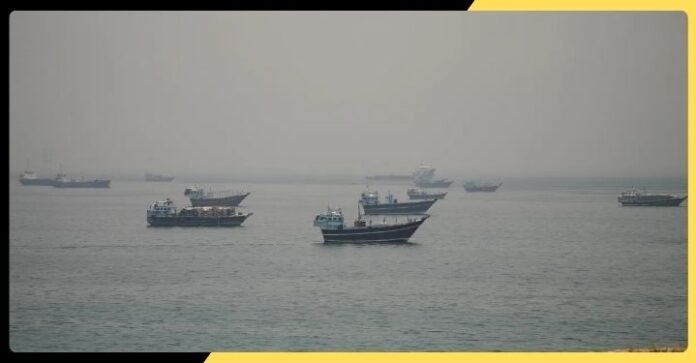

Diplomatic statements often speak the language of peace, stability, and de-escalation. When the United States and Iran signal a willingness to reduce tensions, global markets react positively, governments welcome the development, and analysts speculate about the future of regional security. Yet for thousands of Indian seafarers working aboard commercial vessels in the Gulf region, diplomatic optimism does not necessarily translate into personal safety.
The Persian Gulf remains one of the most strategically important regions in the world. It is the gateway for a significant portion of global oil exports, making it essential to international trade and energy security. At the center of this maritime network lies the Strait of Hormuz, a narrow waterway that has repeatedly become a flashpoint during periods of geopolitical confrontation.
Indian sailors occupy a unique position within this global system. India supplies one of the largest pools of maritime professionals worldwide. These men and women serve aboard tankers, cargo vessels, container ships, and support vessels operating across international waters. Their work keeps global trade moving, often under demanding and hazardous conditions.
Whenever tensions rise between major powers, merchant ships become vulnerable. Although commercial vessels are civilian assets, they can be affected by military operations, sanctions enforcement, naval patrols, or attacks targeting strategic infrastructure. In such situations, seafarers find themselves on the front lines of conflicts that have little to do with them personally.
The contrast between diplomatic negotiations and maritime realities is striking. Political leaders may announce progress at the negotiating table, but ships continue to navigate waters where uncertainty remains high. Military forces maintain a strong presence, intelligence operations continue, and the possibility of miscalculation persists.
For Indian seafarers, every voyage through the Gulf involves a degree of risk. Captains and crews must remain alert to changing security conditions while fulfilling their professional responsibilities. The pressure is considerable, particularly during periods of heightened tension when vessels may receive warnings about potential threats.
Families back home often share this burden. Many seafarers come from coastal communities where maritime employment has provided economic opportunities for generations. The income earned at sea supports education, healthcare, housing, and countless family aspirations. Every news report about an incident in the Gulf generates anxiety among loved ones waiting for updates.
The economic significance of Indian seafarers cannot be overstated. Their contribution extends beyond shipping companies and international trade. Through remittances and professional expertise, they play a valuable role in India’s economic development. Yet despite their importance, their safety concerns frequently receive less attention than broader geopolitical developments.
Governments have a responsibility to address this gap. Diplomatic engagement should include discussions about protecting civilian maritime workers and ensuring safe navigation in conflict-prone waters. International cooperation can help establish mechanisms that reduce risks to commercial shipping and enhance emergency response capabilities.
Shipping companies must also prioritize crew welfare. Security training, crisis management protocols, and mental health support should be integral components of maritime operations. Seafarers deserve comprehensive protection, not only from physical threats but also from the psychological stresses associated with working in unstable regions.
The story of Indian seafarers highlights a larger truth about international conflicts. The consequences of geopolitical rivalry often fall on ordinary workers who have no influence over political decisions. Their experiences reveal the human dimension behind headlines about diplomacy, sanctions, and military strategy.
As Washington and Tehran continue their complex relationship, policymakers should remember that their actions affect lives far beyond government institutions and military establishments. Every decision carries implications for individuals working aboard ships, transporting goods, and sustaining the global economy.
Peace should not be measured solely by the absence of open conflict between states. It should also be measured by the safety and security of civilians whose livelihoods depend on stability. Until Indian seafarers can perform their duties without fear of becoming collateral victims of geopolitical disputes, the promise of peace will remain incomplete.
Their sacrifices deserve recognition, their concerns deserve attention, and their safety deserves priority. The world depends on their labor. It should also be committed to their protection.