

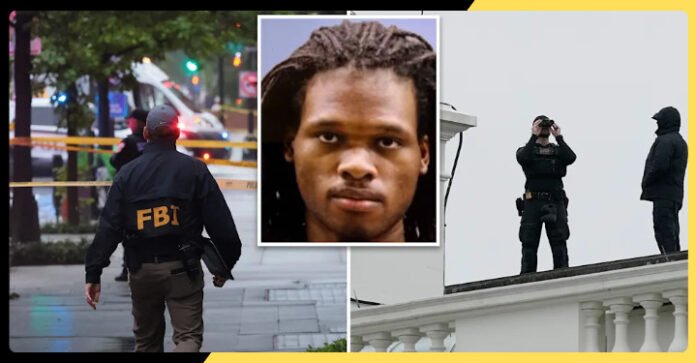

A shocking new development has emerged in the investigation surrounding the man accused of opening fire near the White House in 2025. According to officials familiar with the case, the suspect had previously been arrested earlier in the year and reportedly suffered from severe delusions, including a belief that he was “Jesus Christ.”
The incident has raised fresh concerns about mental health intervention, security preparedness, and the warning signs that may have been overlooked before the shooting took place.
Authorities said the suspect approached a heavily secured area near the White House before chaos erupted. Witnesses described scenes of panic as security personnel reacted within seconds to neutralize the threat and evacuate civilians from the area.
The accused, whose identity was later confirmed by law enforcement agencies, was reportedly under observation in the past because of unusual and unstable behavior. Investigators revealed that during earlier questioning in a separate arrest case, the man repeatedly claimed to be a divine figure sent on a “mission.”
Officials stated that the suspect’s earlier arrest did not involve terrorism-related charges. Instead, it was reportedly connected to disorderly conduct and threatening behavior in a public place. At the time, mental health evaluations were recommended, but authorities are now examining whether stronger intervention could have prevented the later attack.
The White House shooting incident triggered an immediate lockdown in surrounding areas. Secret Service agents acted swiftly, sealing roads and securing government buildings as emergency teams rushed to the scene.
Several eyewitnesses said they heard multiple gunshots followed by loud warnings from security officials. Videos shared on social media showed frightened tourists and workers running away from the area as police vehicles flooded the streets around the White House complex.
Fortunately, according to preliminary reports, the President was not in immediate danger during the incident. Officials confirmed that security protocols worked effectively and prevented the suspect from getting closer to restricted zones.
Investigators are now focusing heavily on the shooter’s mental state. Sources close to the investigation said journals, online posts, and recordings recovered from the suspect indicated growing paranoia and religious delusions over several months.
Experts say such cases highlight the complicated intersection between mental illness and public safety. While most people suffering from mental health conditions are not violent, untreated psychosis or extreme delusions can sometimes become dangerous if warning signs are ignored.
Former law enforcement officials have also questioned whether information sharing between local agencies and federal authorities was sufficient after the suspect’s earlier arrest. Some critics argue that the system failed to recognize the escalating threat posed by the individual.
The case has already sparked political debate in the United States. Some leaders are calling for stronger mental health systems and earlier intervention mechanisms, while others are demanding tighter security monitoring around high-profile government locations.
Social media reactions have been intense, with many users expressing shock that someone previously arrested and reportedly displaying alarming behavior could later come so close to the White House carrying a weapon.
Meanwhile, investigators continue to examine whether the suspect acted alone or had contact with online extremist communities that may have reinforced his delusions. At this stage, officials say no larger organized conspiracy has been confirmed.
The incident once again highlights the enormous pressure faced by security agencies responsible for protecting major political institutions in the United States. Even with advanced surveillance systems and highly trained personnel, unpredictable lone actors remain one of the most difficult threats to stop completely.
As the investigation continues, authorities are expected to release more details about the suspect’s background, previous encounters with law enforcement, and psychological condition.
For now, the White House shooting serves as a chilling reminder of how untreated mental instability, combined with access to weapons and public visibility, can quickly escalate into a national security scare.