

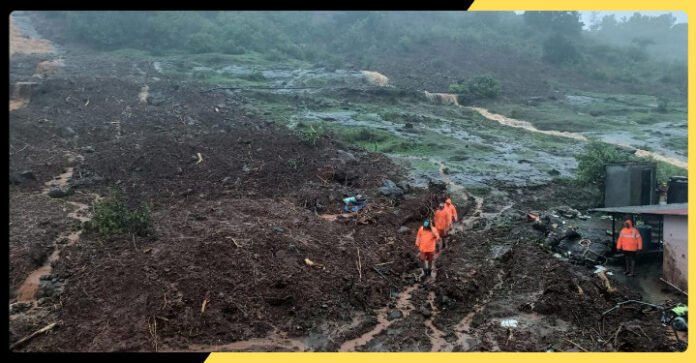

The southwest monsoon has once again demonstrated its immense power as Maharashtra witnessed one of the most intense spells of rainfall in recent years. Mumbai, along with the neighboring districts of Palghar and Raigad, experienced record-breaking rain over the past several days, resulting in severe flooding, disruption of transport services, and significant damage to infrastructure. The relentless downpour has affected millions of residents, bringing normal life to a standstill while authorities continue emergency operations across the affected regions.
According to state officials, the exceptionally heavy rainfall has caused widespread waterlogging in residential areas, commercial hubs, highways, and railway stations. Roads that usually remain busy with traffic were submerged under several feet of water, forcing motorists to abandon vehicles in many locations. Low-lying neighborhoods faced the worst impact as rainwater entered homes, shops, and public buildings, leaving families struggling to protect their belongings.
Mumbai, India’s financial capital, has often experienced heavy monsoon showers, but this spell has been particularly intense due to continuous rainfall over consecutive days. Meteorologists reported that several weather stations recorded rainfall far above the seasonal average within a short period. Such unprecedented rainfall overwhelmed the city’s drainage system, making it difficult for water to recede quickly.
The neighboring districts of Palghar and Raigad also faced a similar crisis. Rivers flowing through these regions witnessed a sharp rise in water levels, prompting authorities to issue flood warnings. Several villages became temporarily isolated after roads and bridges were submerged. Local administrations deployed emergency teams to monitor vulnerable areas and assist stranded residents.
Public transportation, which serves as the lifeline of Mumbai, was severely affected. Suburban railway services experienced delays due to waterlogged tracks, while several train schedules had to be modified. Bus routes were diverted in flooded areas, causing inconvenience to thousands of daily commuters. Flight operations at Mumbai Airport also witnessed temporary disruptions as poor visibility and heavy rain affected arrivals and departures.
Educational institutions across many affected districts announced closures to ensure the safety of students. Schools and colleges shifted to online learning where possible, while some examinations were postponed until weather conditions improved. Offices also witnessed reduced attendance as many employees worked remotely due to transportation challenges.
The heavy rainfall has also disrupted essential civic services. Power outages were reported in certain areas after electrical installations were affected by flooding. Municipal authorities worked continuously to restore electricity while ensuring public safety. Water supply systems in some localities also faced interruptions due to damaged pipelines and flooded pumping stations.
Health officials expressed concern over the possibility of waterborne diseases following prolonged flooding. Stagnant water creates favorable conditions for mosquito breeding and bacterial contamination, increasing the risk of illnesses such as dengue, malaria, leptospirosis, and gastroenteritis. Medical teams have been placed on alert, and hospitals remain prepared to handle emergency cases.
Environmental experts note that climate change has contributed to the increasing frequency of extreme weather events across India. Rising temperatures over the Arabian Sea are believed to intensify moisture availability, leading to heavier rainfall episodes during the monsoon season. Rapid urbanization, shrinking natural drainage channels, and encroachment on wetlands have further increased the vulnerability of cities like Mumbai to flooding.
Municipal corporations have intensified drainage-clearing operations, while disaster management teams continue monitoring rainfall patterns around the clock. Emergency helplines remain active, encouraging citizens to report flooding, fallen trees, damaged electric poles, or other hazardous situations. Rescue personnel equipped with boats and emergency supplies have been deployed to areas facing severe waterlogging.
Residents have been advised to avoid unnecessary travel, stay indoors during periods of intense rainfall, and closely follow official weather updates. Authorities have also urged people living near rivers, hillsides, and flood-prone areas to remain prepared for possible evacuation if conditions deteriorate further.
As Maharashtra continues to face one of its toughest monsoon spells in recent years, the resilience of local communities and the coordinated efforts of emergency agencies remain crucial in minimizing the impact of this natural disaster. While rainfall may eventually subside, the recovery process is expected to take considerable time as authorities assess the full extent of damage caused by this record-breaking weather event.