


News Report | October 11, 2026
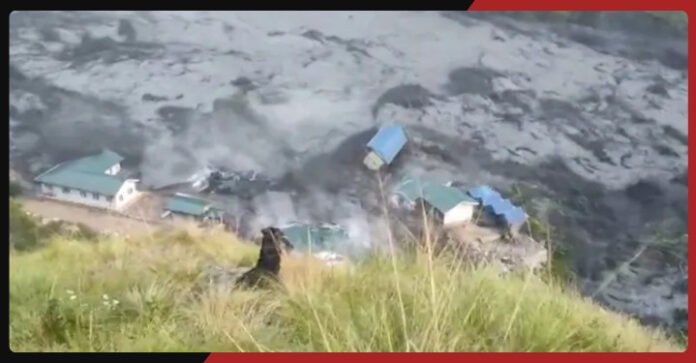
A powerful flash flood swept through central Nepal’s Gorkha district on Sunday, October 11, washing away houses, bridges and infrastructure associated with a hydropower project. The sudden disaster affected settlements along the Budhi Gandaki River, prompting emergency rescue operations and evacuation warnings for people living in vulnerable areas.
According to reports from the affected region, the flooding followed a landslide that reportedly blocked a river or stream upstream. The sudden accumulation and release of water created a destructive surge that travelled downstream, carrying mud, rocks, debris and buildings in its path. Authorities are continuing to investigate the precise sequence of events that triggered the flood.
The scale of destruction has raised serious concerns about the safety of riverside communities in the mountainous region. Initial reports indicated that numerous houses had been swept away, while several bridges connecting remote settlements were damaged or destroyed. Infrastructure at a hydropower project was also affected, adding to concerns about electricity supplies, transport links and access to isolated communities.
The human impact of the disaster remained a major concern throughout Sunday. Nepalese authorities reported that five people were missing. Rescue teams were deployed to search affected areas, assist stranded residents and help people move away from locations threatened by rising water levels.
The Nepal Army played an important role in the emergency response. According to an initial report from the Associated Press, soldiers had rescued 49 people from flood-affected areas. Other reports published later gave different rescue totals, illustrating how information was changing as emergency operations continued.
Authorities also issued warnings to residents living along the Budhi Gandaki and connected river systems. People were urged to leave dangerous riverbanks and relocate to higher ground. Emergency personnel used communications and public announcements to spread warnings, while helicopters supported rescue, evacuation and assessment operations.
The damage to bridges created additional challenges for communities that depend on limited road and footbridge connections. When such links are destroyed, people can struggle to reach medical facilities, markets and emergency assistance. Relief teams must also find alternative ways to deliver food, drinking water and other essential supplies.
The latest flooding has occurred while Nepal is still recovering from previous deadly floods and landslides. The country’s mountainous geography, unstable slopes and fast-flowing rivers make some communities particularly vulnerable to sudden disasters. The destruction caused by the Budhi Gandaki flood has renewed questions about early-warning systems, river monitoring and emergency preparedness.
For now, rescue efforts and safety warnings remain central to the response. Authorities must establish the number of people affected, identify those still missing, inspect damaged infrastructure and determine the extent of the losses. The incident is another reminder of the serious risks posed by sudden flooding in Nepal’s mountain valleys.