

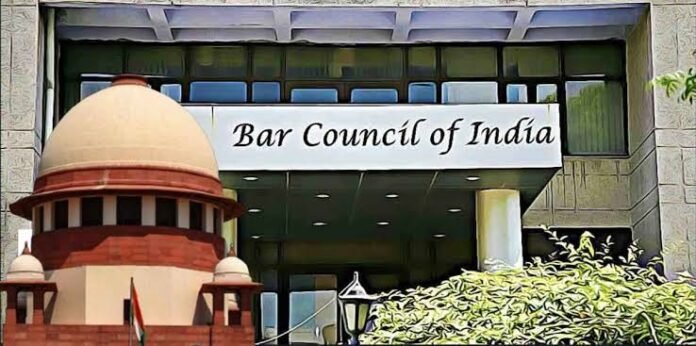

New Delhi: The Supreme Court has ruled that the Bar Council of India (BCI) does not have the authority to initiate disciplinary action against law students for their conduct within a college or university campus. The court clarified that such matters fall under the jurisdiction of the concerned educational institution.
The ruling came in connection with a controversy involving students of NALSAR University of Law, who had opposed the attendance of then Chief Justice of India Surya Kant at their convocation ceremony.
Case Involving NALSAR Law Students
Following the incident, the Bar Council of India had issued a letter seeking action against the students over their conduct. The move raised questions about the extent of the BCI’s disciplinary powers over students enrolled in law universities.
The BCI subsequently withdrew the letter. The Supreme Court has now clarified that the regulatory body cannot exercise disciplinary jurisdiction over law students for acts committed within their college or university.
Supreme Court Clarifies BCI’s Role
The court’s ruling establishes a distinction between the BCI’s role as the statutory regulator of legal education and the disciplinary authority of individual educational institutions.
According to the Supreme Court, matters concerning student conduct within a university should be dealt with under the rules and disciplinary mechanisms of the concerned institution.
The ruling is significant for law students and legal education institutions as it sets out the limits of the BCI’s authority in matters involving student discipline.