

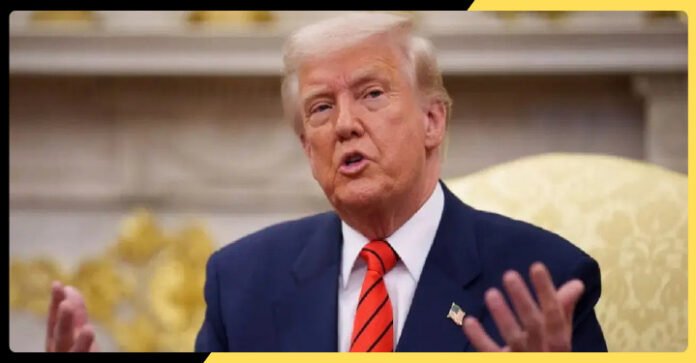

The United States has announced a significant shift in its trade policy after President Donald Trump introduced a new package of import duties targeting goods linked to forced labor from nearly 60 trading partners. The move comes as a temporary 10% blanket tariff on a wide range of imported products officially expires, marking the beginning of a more targeted approach to international trade enforcement.
According to the administration, the new tariffs are designed to combat unfair trade practices and discourage the use of forced labor in global supply chains. Officials stated that companies importing products suspected of being produced through forced or exploitative labor could now face substantially higher duties. The measures are expected to affect industries ranging from textiles and electronics to agriculture and manufacturing.
The White House argued that the policy reflects America’s commitment to promoting ethical labor standards while protecting domestic manufacturers from unfair competition. Government officials emphasized that businesses operating with transparent supply chains and complying with international labor regulations would be less likely to face the additional duties.
The decision has attracted widespread attention from governments, businesses, and international trade organizations. Several of the affected countries are major suppliers of consumer goods to the United States, making the policy likely to influence global trade flows over the coming months.
Trade experts believe the expiration of the universal 10% tariff represents a shift toward a more selective enforcement strategy. Rather than imposing identical tariffs on all imported goods, the administration intends to focus on products and industries considered high-risk for labor abuses. Officials said this approach would encourage companies to improve supply chain transparency while reducing unnecessary costs for compliant businesses.
Business groups have expressed mixed reactions. Some American manufacturers welcomed the announcement, arguing that companies relying on forced labor enjoy unfair cost advantages that undermine domestic production. They believe stricter import duties will create a more level playing field for U.S. workers and encourage companies to source products responsibly.
Importers and retailers, however, warned that higher duties could increase production costs and eventually lead to higher prices for consumers. Many companies have spent years building international supply networks and may need significant time to identify alternative suppliers capable of meeting new compliance standards.
International reaction has also been varied. Several governments have indicated they will review the new measures carefully before determining whether to pursue discussions or challenge the duties through international trade mechanisms. Some officials argue that labor standards should be addressed through cooperation rather than unilateral tariff actions.
Human rights organizations have generally welcomed stronger enforcement against forced labor but stressed that tariffs alone cannot eliminate labor abuses. They argue that governments, multinational corporations, and independent monitoring organizations must work together to improve working conditions across global supply chains.
Economists note that the long-term effectiveness of the policy will depend on enforcement. Customs authorities will need reliable evidence to identify shipments linked to forced labor while avoiding unnecessary disruptions to legitimate trade. This process could require closer cooperation with international organizations and private-sector auditors.
The administration has indicated that additional guidance for importers will be issued in the coming weeks. Companies are expected to strengthen due diligence procedures, improve supplier documentation, and verify labor practices throughout their production networks.
As global businesses adapt to the changing regulatory environment, many analysts believe supply chain diversification will accelerate. Companies may increasingly shift sourcing toward countries with stronger labor protections and clearer compliance systems.
The policy represents one of the most significant trade enforcement initiatives of the current administration and highlights the growing role of labor rights in international commerce. Whether it succeeds in reducing forced labor while maintaining stable trade relationships will become clearer as implementation progresses over the coming months.