

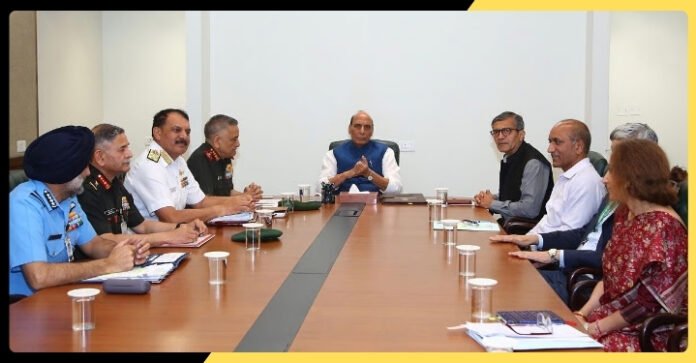

As tensions continue to rise across West Asia, Defence Minister Rajnath Singh convened a high-level security meeting to assess India’s preparedness and strategic response. The review comes amid growing concerns over the widening conflict in the region, which holds significant geopolitical and economic implications for India.
The meeting was attended by top officials from the armed forces, intelligence agencies, and the Ministry of Defence. Discussions focused on safeguarding India’s strategic interests, particularly in light of the volatile situation affecting global energy routes and supply chains.
One of the major areas of concern highlighted during the meeting was the security of Indian nationals residing in West Asia. With millions of Indians living and working in countries across the region, the government is closely monitoring developments to ensure their safety. Evacuation plans and contingency strategies were reportedly reviewed to address any potential emergencies.
Another key issue was the potential disruption of oil supplies due to instability in the region. India, being heavily dependent on energy imports, could face economic challenges if shipping routes such as the Strait of Hormuz are affected. Defence officials discussed measures to secure maritime trade and enhance naval readiness in case of any escalation that threatens international shipping lanes.
The Indian Navy’s preparedness was also evaluated, with a focus on increasing surveillance and patrol operations in critical maritime zones. Coordination with friendly nations and international partners is expected to play a vital role in maintaining stability and ensuring safe passage for commercial vessels.
The meeting also addressed the broader security implications of the conflict, including the possibility of cyber threats and asymmetric warfare. Intelligence agencies were instructed to remain vigilant and enhance monitoring of any activities that could impact national security.
India’s diplomatic approach was also discussed, with emphasis on maintaining a balanced stance while advocating for peace and stability in the region. The government has consistently called for dialogue and de-escalation, aligning with its long-standing policy of non-interference and strategic autonomy.
Officials stressed the importance of inter-agency coordination and real-time intelligence sharing to respond effectively to any emerging threats. The armed forces were advised to remain on high alert, with readiness levels being closely monitored.
The high-level review underscores the government’s proactive approach in addressing evolving global challenges. As the situation in West Asia remains fluid, India continues to prioritize the safety of its citizens, the security of its economic interests, and its role as a responsible global player.