

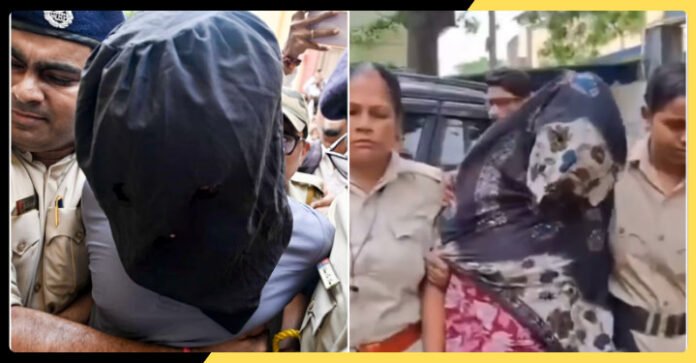

A suspected terror plot targeting Delhi’s iconic Jantar Mantar was uncovered after investigators traced crucial digital evidence linked to the suspect’s girlfriend, according to officials familiar with the investigation. The case has once again highlighted the growing role of social media and digital footprints in helping security agencies detect and prevent potential terror attacks before they can be carried out.
The investigation began after intelligence agencies received inputs about suspicious online activity connected to an individual believed to have links with extremist elements. Security officials monitored several social media accounts, encrypted messaging platforms, and digital communications as part of a broader counter-terror operation. During the probe, investigators reportedly noticed unusual posts and interactions from the suspect’s girlfriend, which eventually led them to the alleged conspiracy.
According to officials, the social media activity did not directly mention any attack. However, a combination of coded messages, unusual photographs, location tags, and conversations raised concerns among investigators. Digital forensic experts analyzed the online content and cross-checked it with intelligence inputs already available to security agencies. The findings prompted authorities to intensify surveillance on the suspect and his associates.
As investigators expanded the probe, they allegedly discovered discussions suggesting that Jantar Mantar, one of Delhi’s most well-known public gathering places, could have been a potential target. The location frequently witnesses political protests, demonstrations, and public gatherings, making it a sensitive area from a security perspective. Authorities believe that an attack at such a crowded location could have resulted in significant casualties and widespread panic.
Security agencies immediately launched a coordinated operation involving multiple intelligence and law enforcement units. Surveillance teams tracked the suspect’s movements, monitored communications, and gathered evidence before carrying out the arrest. Officials said the operation was carefully planned to ensure public safety while preserving evidence that could help uncover a larger network.
During searches conducted at locations linked to the suspect, investigators reportedly recovered electronic devices, documents, and digital storage equipment for forensic examination. Experts are now analyzing laptops, mobile phones, hard drives, and messaging applications to determine the full extent of the alleged plot. Authorities are also examining whether the suspect had assistance from others or was acting as part of a wider extremist network.
The suspect is currently being questioned by investigators. Officials are attempting to establish the source of the alleged radicalisation, financial transactions, communication channels, and any foreign connections that may have played a role in the planning of the conspiracy. Investigators are also reviewing travel records and online interactions to identify anyone who may have been in contact with the accused.
The girlfriend, whose online activity reportedly drew the attention of investigators, is also being questioned. Officials have not confirmed whether she had prior knowledge of the alleged terror plan or whether her social media activity was intentional or incidental. At this stage, authorities have urged the public not to draw conclusions until the investigation is complete.
Experts say the case demonstrates how social media has become both a tool for communication and an important source of intelligence for security agencies. Terror suspects often leave behind digital traces through photographs, online conversations, search histories, or interactions that can later be pieced together during investigations. Modern forensic techniques allow investigators to reconstruct timelines, identify networks, and verify movements using digital evidence.
Counter-terror experts note that online platforms have increasingly become a focus for intelligence gathering. Security agencies routinely monitor suspicious digital activity while operating within legal frameworks. The use of artificial intelligence, data analysis, and cyber forensics has significantly improved the ability of investigators to detect unusual behaviour and prevent potential threats.
Following the arrest, security has reportedly been strengthened at several important public locations across Delhi, including places that regularly host political demonstrations and public events. Police personnel have increased surveillance, conducted security checks, and reviewed existing protection measures to ensure public safety.
Officials have stressed that the investigation remains ongoing. More arrests are possible if additional evidence emerges linking other individuals to the alleged conspiracy. Authorities are also working to determine whether the suspect was inspired by online extremist propaganda or maintained direct contact with any banned organisations.
The case serves as a reminder of the evolving nature of modern security threats. While traditional intelligence remains essential, digital investigations have become equally important in identifying risks before they materialise. Authorities have appealed to citizens to remain alert and report suspicious activities while avoiding the spread of rumours or unverified information on social media.
With forensic examinations still underway and investigators continuing to analyse digital evidence, officials believe more details about the alleged Jantar Mantar terror plot may emerge in the coming days. The outcome of the investigation is expected to provide greater clarity on the extent of the conspiracy and whether it was part of a broader security threat.