

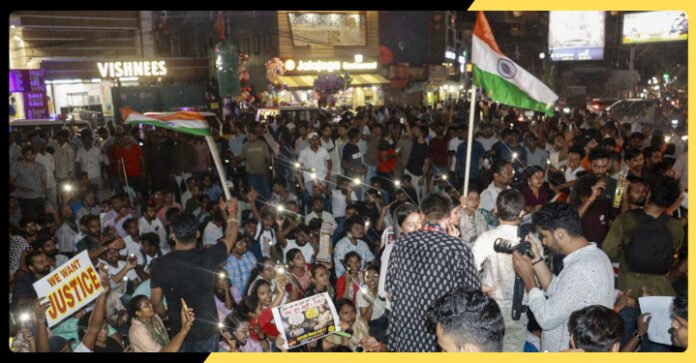

The student protest in Ranchi entered its sixth consecutive day, transforming the city’s demonstration site into a symbol of youth-led resistance that many have begun comparing to New Delhi’s iconic Jantar Mantar. What started as a localized movement has steadily evolved into a larger campaign demanding accountability, transparency, and meaningful dialogue with the authorities. The arrival of members of the Cockroach Janta Party (CJP), who publicly expressed solidarity with the students, added a fresh political dimension to the ongoing agitation.
Throughout the day, hundreds of students gathered at the protest venue carrying placards, banners, and handwritten messages highlighting their concerns. Protesters maintained that their movement remains peaceful and democratic, emphasizing that their goal is to ensure their voices are heard rather than create confrontation. Chants demanding justice echoed across the gathering, while volunteers managed food distribution, drinking water, and medical assistance for participants who had remained at the site for several days.
The protest has drawn attention from various sections of society, including parents, teachers, social activists, and civil society groups. Many visitors praised the discipline displayed by the students, noting that despite long hours under challenging weather conditions, the demonstrators continued their sit-in without reports of major violence. Organizers urged participants to maintain peace and avoid actions that could undermine the credibility of the movement.
The Cockroach Janta Party’s visit became one of the most discussed developments of the day. Party representatives addressed the gathering, stating that they stood with students seeking fair treatment and transparent governance. They emphasized that peaceful protest is a democratic right guaranteed under the Constitution and called upon the government to engage with student representatives through dialogue instead of allowing tensions to escalate further.
Student leaders welcomed the support but clarified that the protest remains independent and driven by the demands of the student community. According to organizers, the movement is not affiliated with any political organization, and any support offered by external groups would not alter the protest’s primary objectives. This clarification was made to reassure participants who wished to keep the agitation focused on student concerns rather than partisan politics.
Security arrangements around the protest site remained extensive. Police personnel were deployed to ensure law and order while facilitating the peaceful conduct of demonstrations. Authorities monitored the situation throughout the day but reported no major untoward incidents. Officials appealed to protesters to cooperate with security personnel and continue expressing their views peacefully.
The demonstration has also generated significant activity on social media, where videos and photographs from the protest have circulated widely. Hashtags supporting the students have gained traction, drawing attention from people across different states. Many users praised the determination of the protesters, while others called for constructive negotiations to resolve the issue at the earliest.
Observers believe that the movement’s endurance reflects growing frustration among young people over issues they consider important for their future. Political analysts suggest that prolonged demonstrations often compel governments to initiate dialogue, particularly when protests remain peaceful and continue attracting public sympathy.
As the sixth day concluded, students vowed to continue their sit-in until meaningful discussions begin. Organizers expressed hope that the coming days would bring constructive engagement between all stakeholders, allowing concerns to be addressed through democratic means. With public attention steadily increasing and more organizations expressing solidarity, the Ranchi protest has emerged as one of the most closely watched student movements in recent months.