

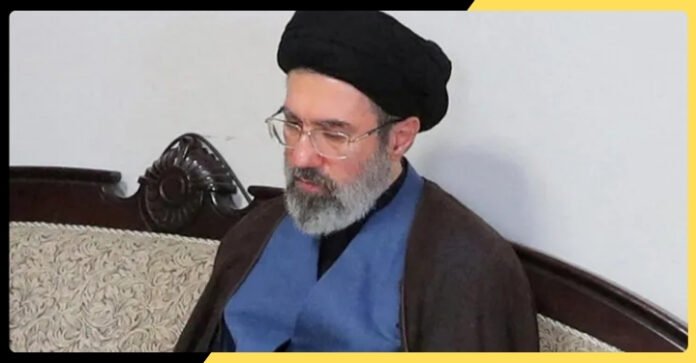

Iran’s ruling clerics have appointed Mojtaba Khamenei as the country’s new Supreme Leader, succeeding his father Ali Khamenei, whose death in recent airstrikes triggered one of the most dramatic political transitions in the nation’s history.
The decision was made by the Assembly of Experts, an 88-member body of senior clerics tasked with selecting the country’s supreme leader. The council announced that Mojtaba had been chosen by a decisive vote, ending days of speculation over who would succeed the late leader.
Mojtaba Khamenei’s rise to power is historic for several reasons. It represents the first time in the Islamic Republic’s history that the son of a supreme leader has inherited the position, a development that has sparked debate both within Iran and internationally.
Born in 1969, Mojtaba pursued religious studies in the city of Qom and eventually became a mid-ranking cleric. Although he never held a formal government role, he was widely believed to wield considerable influence behind the scenes, particularly through his connections to the Islamic Revolutionary Guard Corps and other conservative institutions.
The timing of his appointment adds to the significance of the transition. Iran is currently engaged in an escalating confrontation following the killing of Ali Khamenei during strikes linked to the United States and Israel. The conflict has triggered military exchanges across the region and heightened fears of a broader war.
Supporters of Mojtaba’s leadership argue that continuity is essential during such a volatile period. They say his longstanding ties to Iran’s political and military establishment will help maintain stability and prevent internal divisions.
Yet critics warn that the move risks undermining the ideological foundations of the Islamic Republic. The 1979 revolution that created Iran’s current political system was rooted in opposition to hereditary monarchy. The transfer of power from father to son has therefore been interpreted by some observers as a shift toward dynastic rule.
International reactions have been mixed. Some governments have condemned the appointment, while others are taking a wait-and-see approach as Iran’s new leader begins his tenure.
Regardless of the criticism, Mojtaba Khamenei now holds one of the most powerful positions in the Middle East. As supreme leader, he commands ultimate authority over Iran’s military forces, intelligence agencies, and strategic policy decisions.
His leadership will play a decisive role in shaping Iran’s future—both domestically and on the global stage—at a moment when the country faces profound geopolitical challenges.