

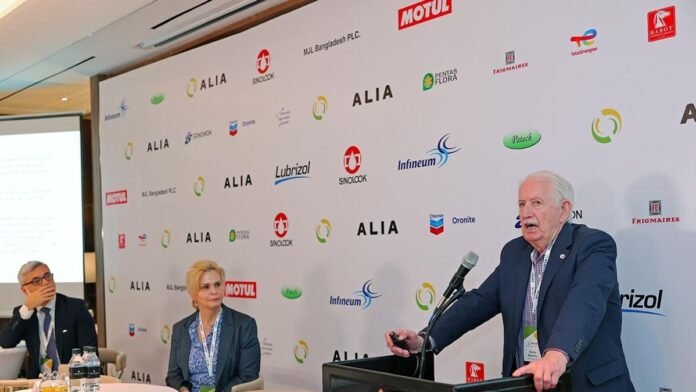
, disclosed alarming statistics from the API After Market Audit Program (AMAP). Despite API's stringent audit processes, nearly half of the engine oil samples tested fell short of compliance with API's Engine Oil Licensing and Certification System (EOLCS) standards. This revelation raises concerns about product quality and consumer trust in a market that spans over 63 countries.API's Proactive Measures and ChallengesAPI's AMAP initiative plays a critical role in ensuring that the engine oils available in the market adhere to established standards. With over 27,000 products licensed globally, the AMAP collects and analyzes over 1,000 samples annually. The recent findings revealed that 46% of these samples exhibited issues ranging from minor additive element reporting discrepancies to more concerning viscosity and NOACK volatility inconsistencies. Bachelder emphasized that while some non-conformities were minor, the prevalence of "questionable additives" in 15% of the samples indicated a divergence from the original chemical fingerprints established during licensing.API has been proactive in addressing these non-compliance issues, working closely with manufacturers to enhance their quality assurance programs. Despite these efforts, challenges persist, especially in the Asia-Pacific region, where instances of licensing trademark misuse and counterfeiting were highlighted. Bachelder reassured that API remains committed to enforcing standards and protecting consumer interests. Additionally, he noted the strong uptake of API's newest engine oil standards, API SP and ILSAC GF-6, which were introduced to cater to the evolving needs of modern engine technology.GF-6 Standard: A Leap ForwardThe International Lubricants Standardization and Approval Committee's (ILSAC) GF-6 specification represents a significant advancement in engine oil performance. Designed to meet the demands of newer engine designs and environmental standards, GF-6 oils deliver improvements in wear protection, fuel economy, and emissions system compatibility. Divided into GF-6A and GF-6B categories, these specifications cater to a broad range of engine types, with GF-6B specifically formulated for engines requiring lower-viscosity oils. The introduction of GF-6 standards underscores the industry's commitment to innovation and environmental stewardship.This revelation at the ALIA Annual Meeting serves as a wake-up call for the industry, highlighting the need for continuous improvement in quality control and adherence to standards. As API and manufacturers strive to address these challenges, consumers are reminded of the importance of selecting products that are not only compliant with current standards but also aligned with the technological advancements and environmental considerations of modern engine designs. For More Interesting News Follow Us on Instagram)
On the ALIA Annual Assembly in Ho Chi Minh Metropolis, Vietnam, Dennis Bachelder, a senior engineer with the American Petroleum Institute (API), disclosed alarming statistics from the API After Market Audit Program (AMAP). Regardless of API’s stringent audit processes, practically half of the engine oil samples examined fell wanting compliance with API’s Engine Oil Licensing and Certification System (EOLCS) requirements. This revelation raises issues about product high quality and client belief in a market that spans over 63 international locations.
API’s Proactive Measures and Challenges
API’s AMAP initiative performs a crucial position in guaranteeing that the engine oils out there out there adhere to established requirements. With over 27,000 merchandise licensed globally, the AMAP collects and analyzes over 1,000 samples yearly. The latest findings revealed that 46% of those samples exhibited points starting from minor additive aspect reporting discrepancies to extra regarding viscosity and NOACK volatility inconsistencies. Bachelder emphasised that whereas some non-conformities have been minor, the prevalence of “questionable components” in 15% of the samples indicated a divergence from the unique chemical fingerprints established throughout licensing.
API has been proactive in addressing these non-compliance points, working intently with producers to boost their high quality assurance packages. Regardless of these efforts, challenges persist, particularly within the Asia-Pacific area, the place cases of licensing trademark misuse and counterfeiting have been highlighted. Bachelder reassured that API stays dedicated to imposing requirements and defending client pursuits. Moreover, he famous the sturdy uptake of API’s latest engine oil requirements, API SP and ILSAC GF-6, which have been launched to cater to the evolving wants of recent engine expertise.
GF-6 Customary: A Leap Ahead
The Worldwide Lubricants Standardization and Approval Committee’s (ILSAC) GF-6 specification represents a big development in engine oil efficiency. Designed to satisfy the calls for of newer engine designs and environmental requirements, GF-6 oils ship enhancements in put on safety, gasoline financial system, and emissions system compatibility. Divided into GF-6A and GF-6B classes, these specs cater to a broad vary of engine sorts, with GF-6B particularly formulated for engines requiring lower-viscosity oils. The introduction of GF-6 requirements underscores the trade’s dedication to innovation and environmental stewardship.
This revelation on the ALIA Annual Assembly serves as a wake-up name for the trade, highlighting the necessity for steady enchancment in high quality management and adherence to requirements. As API and producers attempt to handle these challenges, customers are reminded of the significance of choosing merchandise that aren’t solely compliant with present requirements but additionally aligned with the technological developments and environmental issues of recent engine designs.
For Extra Fascinating Information Observe Us on Instagram