

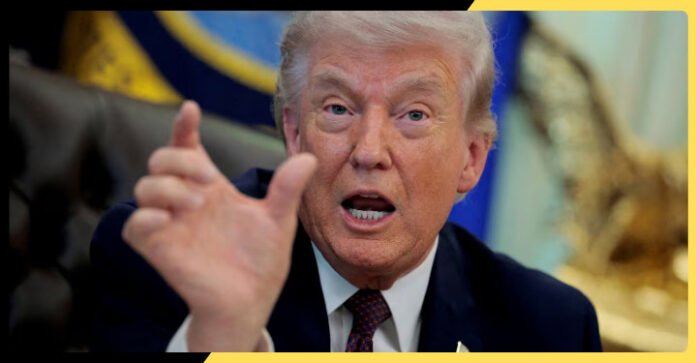

A reported disagreement between former US President Donald Trump and Commerce Secretary Howard Lutnick over India’s tariff figures has shed light on the complexities surrounding trade negotiations between Washington and New Delhi. The exchange, described by sources familiar with the matter, reportedly occurred during discussions about trade barriers and market access, with Trump expressing frustration over the accuracy of the numbers presented to him.
According to reports, Trump challenged Lutnick’s assessment of India’s tariff regime, arguing that the figures being cited did not accurately reflect the reality of the trade relationship. The former president, known for his aggressive stance on international trade, has long criticized countries that he believes impose unfair barriers on American products. India has frequently been among the nations he singled out during his political career.
The disagreement highlights a broader debate about how tariffs are calculated and interpreted. While tariff rates can be measured using various methodologies, the effective impact on trade often depends on product categories, exemptions, and non-tariff barriers. These nuances can lead policymakers to reach different conclusions about the fairness of a trading relationship.
India has consistently defended its trade policies, arguing that its tariffs are designed to protect domestic industries while remaining compliant with international trade rules. Indian officials have also pointed out that many developed economies maintain their own forms of protectionism through subsidies and regulatory requirements.
For the United States, trade with India has become increasingly important as businesses seek alternatives to overreliance on China. The strategic partnership between the two countries has expanded significantly in recent years, encompassing defense, technology, and supply chain cooperation. However, trade disputes have remained a recurring challenge.
Trump’s reported frustration with the tariff data underscores his long-standing preference for simple and direct trade metrics. Throughout his political career, he frequently cited trade deficits and tariff levels as indicators of whether a relationship was fair. Critics argue that such measures often fail to capture the complexity of modern global commerce, while supporters contend that they provide a straightforward way to identify imbalances.
The exchange with Lutnick also reflects the pressures facing policymakers tasked with balancing economic realities and political messaging. Trade figures can be interpreted in different ways depending on the objectives of the discussion. What appears as a high tariff in one context may be offset by concessions or exemptions in another.
Analysts note that any future US administration seeking deeper economic engagement with India will need to address these differences carefully. While both nations share strategic interests, disagreements over tariffs, market access, and regulatory standards continue to influence negotiations.
Despite occasional tensions, there remains strong momentum for closer economic cooperation. Businesses in both countries see significant opportunities in expanding trade and investment ties. As a result, policymakers are expected to continue working toward agreements that reduce barriers and create new opportunities for growth.
The reported clash between Trump and Lutnick serves as a reminder that trade policy is often shaped as much by internal debates as by negotiations with foreign governments. Understanding the data behind trade relationships remains critical to developing effective strategies that benefit businesses, workers, and consumers on both sides.