Home Blog Page 4

Saurabh Bharadwaj’s ₹22,000-Crore Counterattack: AAP Questions BJP Over Advertisement Spending

0

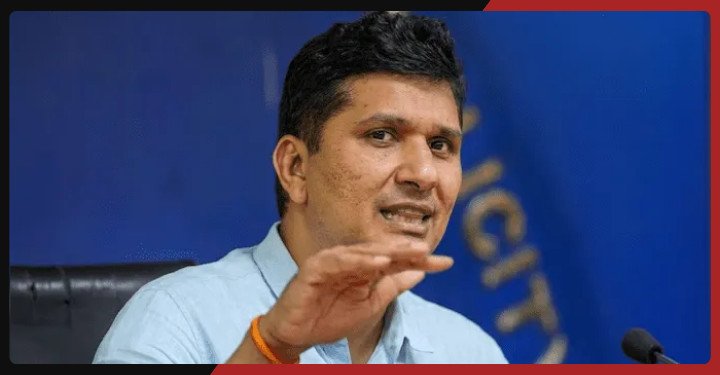
The political battle over government advertisements in Delhi escalated sharply after Aam Aadmi Party leader Saurabh Bharadwaj questioned the Bharatiya Janata Party over what he claimed was around ₹22,000 crore spent by BJP-ruled state governments on advertisements. His remarks came after Delhi Lieutenant Governor V K Saxena directed officials to recover ₹97 crore from the AAP over advertisements that were allegedly published as government publicity despite violating guidelines.

The controversy became another flashpoint between the AAP government and the office of the Lieutenant Governor. Bharadwaj argued that the issue was being applied selectively and questioned why advertisements issued by governments of other states and appearing in Delhi were not being subjected to similar scrutiny.

According to contemporary reports, Bharadwaj claimed that BJP-ruled states had placed advertisements in newspapers and other media outlets circulated outside their respective territories. He cited several states while making his calculation and put the combined expenditure at approximately ₹22,000 crore. He challenged BJP president J P Nadda to explain when such money would be returned to the exchequer.

The AAP leader’s argument was essentially a political counterattack. The immediate issue before the Delhi government was an order concerning ₹97 crore allegedly spent on advertisements that the authorities considered political in nature. Bharadwaj rejected the action and questioned the legal authority behind the recovery order.

The dispute had its roots in a broader controversy over government advertising. A Union government-appointed committee had earlier examined allegations that the Delhi government had violated Supreme Court guidelines governing government publicity. The guidelines were intended to ensure that public money used for advertisements promoted public information rather than political personalities or party interests.

The Lieutenant Governor’s office maintained that the Delhi government should recover money considered to have been improperly spent. The AAP, however, argued that advertisements about government schemes and public initiatives naturally have to reach people beyond Delhi because newspapers and television channels have audiences across state borders.

Bharadwaj also pointed to advertisements issued by governments outside Delhi and argued that the same principle should apply to them. His contention was that if advertisements published in Delhi by other state governments were accepted as legitimate public communication, the Delhi government should not be singled out simply because its advertisements appeared outside the national capital.

The controversy therefore quickly moved beyond the original ₹97-crore recovery issue. It became part of the larger political confrontation between the AAP government and the BJP, with both sides accusing the other of misusing government machinery and public resources.

The ₹22,000-crore figure, however, should be understood as Bharadwaj’s political allegation and calculation rather than as an officially established scam figure. Reports at the time attributed the claim directly to him. There is no basis in the sources reviewed to describe this amount as a proven “rice scam.”

The dispute illustrates how government advertising can become a major political issue. Publicity campaigns can be used to inform citizens about welfare programmes, health initiatives, environmental measures and public services. At the same time, critics argue that government advertising can cross the line into political promotion if it prominently highlights political leaders or parties.

For Delhi, the controversy was particularly significant because relations between the elected government and the Lieutenant Governor were already tense. The advertising dispute added another layer to disagreements over administration, investigations, public projects and the functioning of the city government.

Bharadwaj’s response sought to turn the ₹97-crore recovery demand into a wider question about consistency and accountability. His argument was that if public expenditure on advertisements was being examined, the same standards should apply across governments.

The controversy ultimately reflected a familiar feature of Indian politics: an administrative dispute quickly becoming a larger political confrontation. While the ₹22,000-crore allegation attracted attention because of its size, it remained a claim made by the AAP leader rather than a finding established by an investigation or court.

The episode also underlined the importance of distinguishing between political allegations and verified financial wrongdoing. In a matter involving thousands of crores of public money, documentary evidence, official audits and findings by competent authorities are necessary before an expenditure claim can accurately be described as a scam.
Jharkhand Student Protest: Second Round of Talks Fails to Break Deadlock, Students Announce Assembly March

0

The standoff between protesting students and the Jharkhand government continued on Sunday after another round of discussions failed to produce a concrete settlement over alleged irregularities in recruitment examinations conducted by the Jharkhand Public Service Commission (JPSC) and Jharkhand Staff Selection Commission (JSSC).

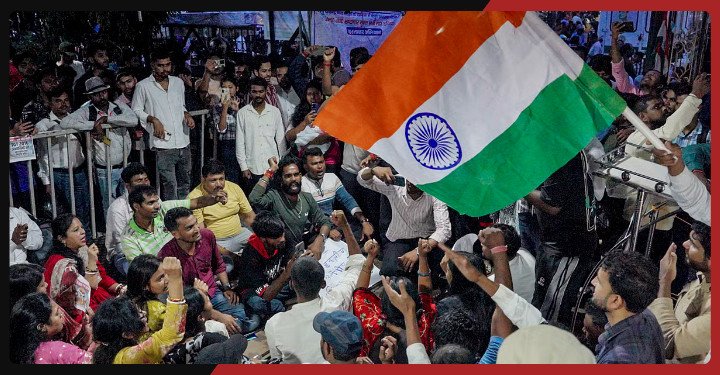
The latest talks came amid an intensified student agitation in Ranchi, where aspirants have been demanding reforms, greater transparency and action over examinations they allege were affected by irregularities. Although the government has indicated that it is willing to consider the concerns raised by students, protesters have maintained that assurances alone will not be enough to end the agitation.

The government has held multiple meetings with different student organisations in an attempt to resolve the issue. According to reports, discussions were held with the JPSC-JSSC Reforms Manch as well as representatives of organisations including the National Students’ Union of India, Jharkhand Chhatra Morcha and Adivasi Chhatra Sangh.

The talks have taken place against the backdrop of a protest that has continued for more than two weeks. Students have remained at the protest site in Ranchi while pressing for action on their demands. The agitation has also included hunger strikes, adding urgency to the negotiations.

One of the prominent faces of the protest, student leader Devendra Nath Mahto, has been on an indefinite hunger strike at Jaipal Singh Stadium. His health condition reportedly deteriorated on Sunday, with doctors recording his blood glucose level at 53.

The students’ principal concern is the credibility of the recruitment examination system. They argue that government recruitment examinations must be conducted in a manner that guarantees fairness to thousands of candidates who spend years preparing for competitive tests.

Different student groups have submitted separate demands during the negotiations. Jharkhand Chhatra Morcha, for instance, has demanded cancellation of the 14th JPSC Civil Services Examination. The NSUI has sought a CID investigation into examinations suspected of irregularities and has also proposed the creation of a Jharkhand Testing Agency.

The Adivasi Chhatra Sangh has raised issues concerning the inclusion of tribal and regional languages in recruitment examinations and called for cancellation of examinations where irregularities are established.

The government, meanwhile, has said that it is committed to comprehensive reforms in the recruitment examination system. Officials have also provided an email mechanism through which aspirants and other stakeholders can submit suggestions regarding reforms.

However, protesters have made it clear that they want formal decisions rather than assurances. They have announced plans for a march towards the Jharkhand Assembly if their demands are not addressed.

The continuing dispute therefore remains centred on one fundamental issue: whether the government can provide concrete measures that restore confidence among recruitment aspirants.

The controversy has also acquired a political dimension, with opposition leaders criticising the state government over the examination issue. Union Minister Annapurna Devi has demanded Chief Minister Hemant Soren’s resignation over the controversy.

Meanwhile, the investigation into alleged examination irregularities is continuing. According to reports, 19 people have been arrested in connection with the case, while former commission chairperson L Khiangte has been questioned multiple times.

For now, the student movement remains active, and the failure of successive meetings to deliver a settlement has increased pressure on the government to produce a concrete response.

Jharkhand Student Protest LIVE: Government Talks Fail to Break Deadlock, Agitation to Continue

The ongoing student protest in Jharkhand remained unresolved as government representatives held discussions with another faction of protesting students, but the meeting ended without a breakthrough. The development means the agitation is set to continue, with students maintaining pressure on the state government over their demands.

The latest round of talks was seen as an attempt to find common ground between the administration and student representatives. However, differences remained on key issues, preventing the two sides from reaching an agreement. With no immediate settlement in sight, protesting students have decided to continue their movement.

The protest has attracted attention because of the concerns raised by students regarding government policies and issues connected with recruitment, examinations and opportunities for young people. Students have been demanding action from the authorities and have insisted that their concerns be addressed through concrete decisions rather than assurances.

The government, meanwhile, has been attempting to engage with different groups of protesters. The latest meeting with another faction indicates that the administration is seeking dialogue despite the continuing agitation. However, the fact that the talks ended without a solution highlights the difficulty of resolving the dispute.

Student organisations have argued that their demands are connected to the future of thousands of young people preparing for competitive examinations and government employment. They have called for greater clarity from the authorities and want commitments that can be implemented within a defined timeframe.

The continuation of the protest also puts pressure on the state government to prevent the situation from escalating. Dialogue remains an important avenue for resolving the dispute, particularly because prolonged demonstrations can affect normal activities and create uncertainty for students, commuters and the wider public.

For the protesters, however, the failure of the latest meeting has strengthened the argument that the government must provide more than verbal assurances. Student representatives have indicated that the movement will continue until their principal concerns are addressed.

The situation is therefore being closely watched as further discussions remain possible. The administration could make another attempt to bring representatives together in the coming days, while students are expected to maintain their protest.

The latest development underscores the growing tension between student groups and the government. While both sides have engaged in talks, there is still no agreement on the issues at the centre of the agitation.

For now, the Jharkhand student protest remains active. The failed talks have not ended the dispute, and the next round of negotiations could prove crucial in determining whether the government can persuade students to call off their movement or whether the agitation will enter another phase.

Children Under 13 May Need Parental Consent for Social Media and Gaming Accounts Under Proposed SHIELD Bill

0

A proposed private member’s bill in Parliament could significantly change the way children under the age of 13 access social media and online gaming platforms in India. The Safeguarding Healthy Internet Environments for Little Digital-Natives, or SHIELD Bill, 2025, moved by BJP MP Baijayant Panda, seeks stronger safeguards for children in the digital environment.

Under the proposal, children below 13 could be prevented from creating accounts on social media platforms and online gaming services unless they have verified parental consent. The proposal is part of a wider attempt to address concerns surrounding children’s exposure to harmful online content, excessive screen time, targeted advertising, tracking and other digital risks.

The proposed legislation comes at a time when children are spending increasing amounts of time online. Social media platforms, video-sharing services, multiplayer games and other digital applications have become a routine part of children’s entertainment and communication. While these services can provide educational and social benefits, policymakers have also raised concerns about their potential effects on younger users.

The SHIELD Bill proposes mandatory age-verification mechanisms for platforms that are accessible to minors. This would place a greater responsibility on technology companies to determine whether a user is old enough to access particular services.

Parental involvement would also become an important part of the proposed framework. The bill envisages parental-control dashboards through which guardians could monitor children’s online activity, manage privacy settings and impose limits on screen time. Such controls are intended to give parents greater visibility into how children use digital platforms.

The proposal goes beyond simply restricting account creation. It seeks to address the way children’s data is handled by online companies. According to details reported about the bill, platforms would be prohibited from tracking and profiling children and from using their personal information to deliver personalised advertising.

The bill defines a child as a person below 18 for several of its protections. This means that even children older than 13 could receive additional safeguards against certain digital practices.

Another important feature is protection from harmful content. The proposed framework would require platforms to take steps to prevent minors from being exposed to pornography, gambling and simulated betting, violent or extremist material and drug-related content.

The proposal also contains financial consequences for platforms that fail to comply. Reports on the bill say violations could attract penalties of up to ₹10 crore. Repeated or deliberate violations could potentially lead to stronger action, including temporary suspension or blocking of services under Section 69A of the Information Technology Act.

However, the proposal is still at the legislative stage. It should not be interpreted as an immediate nationwide ban on social media accounts for children below 13. The bill was scheduled for introduction in Parliament but could not be taken up because of adjournments.

If the proposal eventually moves forward, it could lead to a broader debate about the balance between child safety, parental responsibility, privacy and access to technology. Supporters are likely to argue that children need stronger protection in an increasingly digital world, while critics may question how age verification would work without creating new privacy risks.

The SHIELD Bill therefore represents an important policy discussion rather than a final change in Indian law. Its progress through Parliament will determine whether the proposed safeguards eventually become legally enforceable.

Eight Killed in Thailand School Mass Shooting, Including Suspect’s Grandparents

0

Thailand is in mourning after a horrific school mass shooting in Nonthaburi province left at least eight people dead, including the suspected teenage gunman’s grandparents. The tragedy unfolded on Friday morning in the Bang Kruai district, where a 14-year-old Grade 9 student allegedly carried out a deadly attack that began at his family home before continuing at Debsirin Nonthaburi School. The shocking incident has become one of the most devastating school shootings in Thailand’s recent history, prompting nationwide grief and renewed discussions on gun safety, school security, and youth mental health. Authorities are continuing their investigation as the country searches for answers.

According to police, the incident began early in the morning when the teenager allegedly shot and killed his grandparents using a handgun owned by his grandfather. Investigators believe the firearm was legally registered, but they are examining whether it had been properly secured. After the killings, the suspect reportedly left the residence with the handgun and additional ammunition before heading to Debsirin Nonthaburi School, where he was a student.

The attack took place shortly after the school day began. Students and teachers were attending morning classes when the sound of gunfire suddenly echoed through the campus. Initially, some believed the loud noises were fireworks or nearby construction work. Within moments, however, panic spread as it became clear that an active shooter was inside the school.

Teachers immediately activated emergency response procedures, locking classroom doors and instructing students to stay away from windows and remain silent. Many students hid beneath desks, behind classroom furniture, or inside storage rooms. Others escaped through emergency exits under the guidance of teachers who risked their own safety to protect their students.

Eyewitnesses described scenes of fear and confusion as students ran through corridors searching for safe places to hide. Several parents, after receiving emergency notifications from the school, rushed to the campus hoping to locate their children. Outside the school gates, emotional scenes unfolded as families waited anxiously for updates while police secured the area.

Emergency responders, including police officers, rescue workers, and medical teams, arrived within minutes of receiving distress calls. Armed officers entered the school to locate the suspect and secure the buildings, while paramedics treated injured victims before transporting them to nearby hospitals. Hospitals across Nonthaburi and Bangkok activated emergency response plans to accommodate the influx of patients suffering from gunshot wounds and other injuries sustained during the chaos. Doctors later confirmed that several victims remained in critical condition.

Authorities later located the suspect with a self-inflicted gunshot wound. Despite immediate medical attention from emergency personnel, he later died from his injuries. Police recovered the handgun believed to have been used in both the killings at the grandparents’ home and the school attack. Investigators also found additional ammunition, suggesting that the tragedy could have become even more severe if the attack had continued.

The motive behind the shooting remains unknown. Detectives are reviewing the suspect’s personal history, school records, family relationships, mobile phone, computer, and social media accounts. Interviews with classmates, teachers, relatives, and neighbors are also underway as investigators attempt to determine whether the teenager had shown signs of emotional distress or behavioral changes before the attack.

Thailand’s Prime Minister expressed deep sorrow over the incident and extended condolences to the families of the victims. Government officials praised the bravery of teachers, police officers, and emergency responders who acted swiftly to protect students during the crisis. Authorities also announced a nationwide review of school security procedures, emergency preparedness plans, and firearm safety regulations.

The shooting has reignited debate over gun ownership in Thailand. While firearm ownership is regulated by law, experts argue that legal weapons must be stored more securely to prevent unauthorized access, especially by children and teenagers. Advocacy groups are urging the government to strengthen safe storage requirements and improve public awareness regarding responsible firearm ownership.

Mental health experts have also called for greater investment in school counseling services and early intervention programs. Child psychologists believe schools should have more trained counselors who can identify students facing emotional difficulties before problems escalate into violence. Education specialists say stronger communication between families, schools, and mental health professionals is essential for protecting young people.

In the days following the tragedy, communities across Thailand gathered for memorial services, candlelight vigils, and moments of silence to honor the victims. Flowers, candles, and handwritten messages were placed outside the school as students, teachers, and local residents paid tribute to those who lost their lives. Counseling teams continue to support survivors and grieving families as they begin the long process of healing.

As police continue their investigation, Thailand faces the difficult task of understanding how such a tragedy could occur. The incident has become a painful reminder of the importance of school safety, responsible firearm storage, accessible mental health care, and community vigilance. While the nation mourns those who were lost, many hope that meaningful reforms will emerge from this heartbreaking event, ensuring that schools remain safe spaces where children can learn, grow, and dream without fear.

Indian-Origin PhD Student Found Dead After Going Missing During US Mountain Hike

The search for an Indian-origin doctoral student who disappeared during a hiking trip in the United States has ended in tragedy after authorities confirmed that the young researcher was found dead. The incident has sent shockwaves through both the Indian community and the academic institution where the student was pursuing higher education. Friends, family members, and fellow researchers have expressed deep sorrow, remembering the student as bright, ambitious, and passionate about science.

According to officials, the PhD scholar had gone on a hiking expedition over the weekend in a popular mountainous region of the United States. When the student failed to return as expected and could not be contacted, concerned friends informed local authorities. Search and rescue teams were immediately deployed, launching an extensive operation that involved helicopters, drones, trained rescue personnel, tracking dogs, and volunteers.

Authorities said the search continued for several days across difficult terrain marked by steep cliffs, dense forests, and changing weather conditions. Rescue workers carefully examined hiking trails, valleys, and nearby water bodies while appealing to the public for any information that could assist in locating the missing student. The operation attracted significant attention on social media, where members of the Indian diaspora shared photographs and appealed for public assistance.

The student’s body was eventually discovered in a remote area that was difficult to access. Officials confirmed the identity after notifying the family. While authorities have not immediately released all details regarding the cause of death, they indicated that an investigation is underway to determine exactly what happened during the hike. Medical examiners are expected to conduct further examinations before releasing an official report.

University officials expressed profound grief over the loss, describing the student as an exceptional scholar with remarkable academic achievements. Faculty members highlighted the student’s dedication to research, commitment to excellence, and positive influence within the university community. Many classmates remembered the scholar as someone who was always willing to help others, participate in research discussions, and contribute to collaborative projects.

Friends recalled that the student enjoyed outdoor activities, including hiking and exploring nature during weekends. They said such trips were a way to relax from the demanding schedule of doctoral research. However, they also acknowledged that hiking in unfamiliar terrain can become dangerous due to sudden weather changes, difficult landscapes, and limited communication networks.

The Indian Embassy and local Indian community organizations have extended their condolences to the bereaved family. Officials are coordinating with local authorities and the university to provide necessary assistance regarding documentation and arrangements. Community leaders have also organized prayer meetings and memorial gatherings to honor the student’s memory.

Experts note that national parks and hiking destinations across the United States attract millions of visitors every year. While most trips are completed safely, accidents occasionally occur due to falls, medical emergencies, wildlife encounters, or people losing their way. Authorities consistently advise hikers to travel with companions, inform others about their route, carry emergency supplies, and monitor weather conditions before beginning any trek.

The tragedy has also sparked conversations about the mental and physical challenges international students often face while living abroad. Many students pursue demanding academic programs while balancing research responsibilities, cultural adjustments, and life far from their families. Community organizations have urged universities to continue strengthening student support systems, including emergency awareness programs and outdoor safety education.

As investigations continue, family members are awaiting official findings while mourning an immense personal loss. Messages of sympathy have poured in from students, professors, researchers, and members of the Indian diaspora across the United States and India. Floral tributes and online memorials continue to honor the life of a young scholar whose academic journey ended far too soon.

The heartbreaking incident serves as a reminder of the importance of outdoor safety and preparedness while also highlighting the lasting impact the young researcher made on friends, colleagues, and the wider academic community. Though the student’s promising future has been tragically cut short, those who knew the scholar say the legacy of dedication, curiosity, and academic excellence will continue to inspire others.

Iran Says Hormuz Agreement With Oman Near Completion Amid Fresh Diplomatic Push

0

The Middle East may be on the verge of a significant diplomatic breakthrough as Iran announced that its long-discussed agreement with Oman regarding the Strait of Hormuz has entered its final stage. The development comes at a time when former U.S. President Donald Trump has hinted at positive progress in regional diplomacy, raising hopes that one of the world’s most strategically important waterways could witness greater stability in the coming months.

The Strait of Hormuz is among the busiest and most vital maritime trade routes in the world. Nearly one-fifth of global oil shipments pass through this narrow passage connecting the Persian Gulf with the Gulf of Oman and the Arabian Sea. Any disruption in the region has immediate consequences for international energy markets, global shipping, and geopolitical relations. For years, tensions involving Iran, the United States, and Gulf nations have kept the strait under constant international scrutiny.

Iranian officials stated that negotiations with Oman have progressed substantially and that only a few technical and administrative issues remain before the agreement is finalized. Although the complete details of the proposed arrangement have not yet been made public, officials indicated that the pact aims to strengthen maritime cooperation, improve navigation safety, enhance regional security, and facilitate smoother commercial shipping through the strategically important waterway.

Oman has long played the role of a neutral mediator in Middle Eastern diplomacy. Unlike several regional powers that have often been directly involved in conflicts, Oman has maintained balanced relations with both Iran and Western nations. Over the years, Muscat has quietly hosted numerous back-channel discussions that have helped reduce tensions between rival governments. Its diplomatic credibility has made it a trusted partner in facilitating dialogue during periods of heightened regional uncertainty.

The latest announcement has attracted worldwide attention because of its potential implications for international trade and energy security. If successfully concluded, the agreement could reduce the risk of military incidents in one of the world’s most sensitive maritime corridors. Shipping companies, oil exporters, insurance providers, and global financial markets are closely monitoring developments, as greater stability in the Strait of Hormuz could lower transportation costs and reduce geopolitical risks.

Former U.S. President Donald Trump also contributed to growing optimism by suggesting that a breakthrough in regional diplomacy may be within reach. While he did not reveal specific details about the negotiations, his remarks fueled speculation that indirect diplomatic efforts involving several regional and international stakeholders may be progressing behind the scenes. Trump’s comments have drawn significant attention because of his administration’s previous “maximum pressure” policy toward Iran, which had resulted in heightened tensions and several confrontations in the Gulf region.

Political analysts believe that both Iran and Oman have strong incentives to finalize the agreement. Iran seeks greater economic stability following years of sanctions and regional isolation, while Oman hopes to reinforce its position as a key diplomatic bridge capable of promoting peace and regional cooperation. Improved maritime security would also benefit neighboring Gulf countries whose economies depend heavily on uninterrupted energy exports.

Energy experts note that any agreement ensuring safer passage through the Strait of Hormuz could have a positive effect on global oil markets. Even small signs of reduced geopolitical tension often influence crude oil prices, shipping insurance premiums, and investor confidence. Countries across Asia, Europe, and North America rely heavily on oil transported through the strait, making regional stability an international economic priority.

Security remains a major concern in the region. Over the past decade, the Strait of Hormuz has witnessed multiple incidents involving tanker seizures, drone attacks, naval confrontations, and allegations of sabotage. These events have repeatedly raised fears of broader military conflict that could disrupt global energy supplies. A formal agreement between Iran and Oman focusing on maritime coordination may help establish clearer communication mechanisms and reduce the possibility of accidental confrontations.

International observers have welcomed the latest diplomatic progress with cautious optimism. Many experts emphasize that while political agreements are important, their success ultimately depends on effective implementation and continued cooperation among regional stakeholders. Confidence-building measures, transparent communication, and adherence to international maritime law will be essential for ensuring the long-term success of any agreement.

The broader geopolitical context also plays an important role. The Middle East has experienced significant diplomatic shifts in recent years, including renewed dialogue between regional rivals and efforts to normalize relations across the Gulf. Countries increasingly recognize that prolonged instability threatens economic growth, foreign investment, and regional development. Against this backdrop, cooperative agreements focused on maritime security are viewed as practical steps toward reducing tensions.

For Oman, the agreement further strengthens its reputation as a trusted mediator capable of facilitating dialogue even among adversaries. The country’s consistent policy of neutrality has allowed it to maintain constructive relationships with diverse regional and international actors. This diplomatic approach has often produced quiet but meaningful progress during periods when public negotiations appeared impossible.

Meanwhile, global shipping companies and energy traders continue to await official confirmation of the agreement’s final provisions. Industry experts expect that any measures improving navigational safety, communication protocols, and crisis management could significantly enhance confidence among commercial operators using the Strait of Hormuz.

Although challenges remain before the agreement is formally signed, the announcement marks an encouraging step toward greater regional cooperation. If finalized successfully, the Iran-Oman Hormuz agreement could contribute to improved maritime security, stronger diplomatic engagement, and enhanced stability in one of the world’s most strategically significant waterways. As governments and international markets closely monitor the negotiations, hopes remain high that diplomacy may succeed in reducing tensions and securing safer passage through this critical global trade corridor.

Bombay High Court Overturns Tarun Tejpal’s Acquittal, Finds Former Tehelka Editor Guilty in 2013 Sexual Assault Case

0

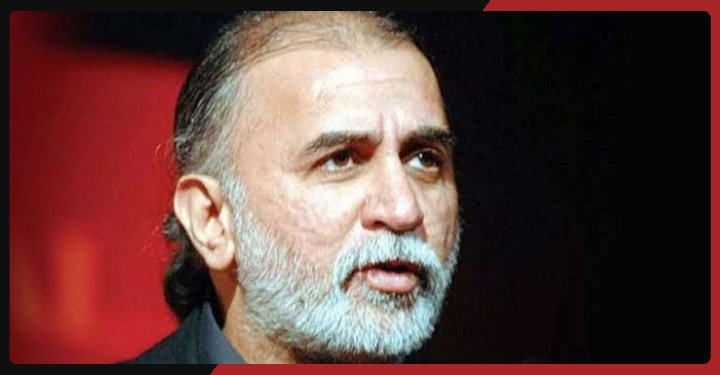
In a significant judicial development, the Bombay High Court has overturned the 2021 acquittal of former Tehelka editor-in-chief Tarun Tejpal in the 2013 sexual assault case, convicting him after allowing an appeal filed by the Goa government. The ruling brings a dramatic turn to a case that has remained under public and legal scrutiny for more than a decade and is widely regarded as one of India’s most high-profile workplace sexual assault cases.

The High Court held that the earlier acquittal by the Goa Sessions Court was not legally sustainable after examining the evidence and arguments presented during the appeal. While the conviction has now been recorded, the question of sentencing is expected to be addressed separately. Tejpal has maintained his innocence throughout the proceedings, and his legal team has indicated that they will challenge the verdict before the Supreme Court.

The allegations date back to November 2013, when a junior colleague accused Tejpal of sexually assaulting her inside a hotel elevator during an event organized by Tehelka in Goa. According to the prosecution, the alleged incidents occurred on two consecutive days while members of the publication were attending the event. The complainant alleged that she was assaulted despite repeatedly refusing Tejpal’s advances.

The allegations created a nationwide debate about sexual harassment in professional spaces, particularly within the media industry. At the time, the incident also sparked discussions about internal workplace mechanisms for handling complaints of sexual misconduct and the responsibility of employers to ensure a safe working environment.

Following the complaint, the Goa Police registered a criminal case and charged Tejpal under various sections of the Indian Penal Code related to rape, sexual assault, and wrongful confinement. Investigators relied on witness statements, electronic communications, CCTV footage, hotel records, and other evidence collected during the investigation.

Tejpal consistently denied the allegations, arguing that the interactions were consensual and asserting that the prosecution had failed to establish guilt beyond reasonable doubt. His defence also questioned aspects of the investigation and the interpretation of evidence presented before the court.

In May 2021, the Goa Sessions Court acquitted Tejpal, observing that the prosecution had failed to prove its case beyond reasonable doubt. The trial court’s judgment generated widespread debate, with several legal experts and women’s rights organisations expressing concerns over portions of the reasoning adopted by the court. The Goa government subsequently challenged the acquittal before the Bombay High Court.

During the appellate proceedings, the state argued that the trial court had misread the evidence, ignored crucial material, and applied incorrect legal standards while evaluating the testimony of the complainant. Prosecutors contended that the acquittal resulted from significant errors in appreciating both factual and legal aspects of the case.

After hearing extensive arguments, the Bombay High Court concluded that the prosecution had successfully established its case and that the acquittal warranted interference. By convicting Tejpal, the court exercised its appellate authority to reassess the evidence and arrive at a different legal conclusion from the trial court.

Legal experts have noted that while appellate courts generally exercise caution in overturning acquittals, they are empowered to do so when a lower court’s findings are found to be legally unsustainable or contrary to the evidence on record.

The complainant’s identity remains protected under Indian law, which prohibits the publication of identifying information in sexual offence cases. The case has continued to attract attention due to the profile of the accused, the long duration of the proceedings, and its broader implications for workplace safety and accountability.

With the High Court’s conviction now on record, attention is expected to shift toward the sentencing proceedings and the anticipated appeal before the Supreme Court. Regardless of the next legal steps, the judgment marks a pivotal moment in one of India’s longest-running and most closely followed criminal cases involving allegations of sexual assault.

Zuckerberg Ordered to Apologise Within Three Months or Risk Losing Safe Harbour Protection

0

Meta CEO Mark Zuckerberg is facing mounting regulatory pressure after a government-appointed panel reportedly directed him to issue a public apology within the next three months or risk consequences related to the company’s “safe harbour” protections. The warning marks one of the strongest public signals yet that regulators are prepared to tighten oversight of major technology platforms if concerns over compliance, accountability, and user safety remain unresolved.

According to officials familiar with the proceedings, the panel concluded that Meta had failed to adequately address issues that prompted scrutiny in the first place. While the exact nature of the allegations varies depending on the jurisdiction and legal framework involved, the committee reportedly believes the company’s response has not met expected standards of transparency and responsibility.

Safe harbour provisions generally protect online platforms from being held legally liable for user-generated content, provided they comply with applicable laws and remove unlawful material when notified. These protections have played a crucial role in the growth of digital platforms across the world, allowing companies to host billions of posts, videos, and messages without being directly responsible for every piece of content uploaded by users.

However, regulators have increasingly argued that these protections should not be unconditional. Governments in several countries have introduced stricter digital regulations aimed at ensuring technology companies respond more effectively to misinformation, hate speech, harmful content, online fraud, and violations of user rights. The latest warning directed at Zuckerberg reflects this broader global trend toward greater accountability for large technology firms.

The committee reportedly stated that a public apology would demonstrate Meta’s willingness to acknowledge concerns and rebuild public trust. Members believe that such a step would signal respect for both regulators and affected users while creating an opportunity for improved cooperation between the company and government authorities.

Industry experts say the recommendation carries both symbolic and legal significance. Although an apology itself may not immediately change Meta’s regulatory obligations, failure to comply with the panel’s expectations could influence future decisions regarding the company’s legal protections and operating framework.

Legal analysts note that safe harbour protections are among the most valuable safeguards available to internet companies. Without them, platforms could face substantially greater legal exposure for content posted by users, potentially leading to increased litigation, higher compliance costs, and stricter moderation requirements.

Meta has not publicly indicated whether Zuckerberg intends to issue the requested apology. The company has consistently maintained that it invests heavily in content moderation, artificial intelligence, fact-checking partnerships, and user safety initiatives. Over the past several years, Meta has repeatedly highlighted billions of dollars spent on trust and safety operations aimed at combating harmful content across Facebook, Instagram, and Threads.

Despite these efforts, the company continues to face criticism from lawmakers, civil society organisations, and digital rights advocates who argue that enforcement remains inconsistent and that harmful material often spreads before it can be removed.

The panel’s warning also comes at a time when governments around the world are reconsidering the responsibilities of major digital platforms. New laws in several jurisdictions require faster removal of illegal content, greater transparency regarding recommendation algorithms, and stronger protections for children and vulnerable users.

Technology policy experts believe this case could become an important reference point in future regulatory debates. If authorities ultimately decide to reconsider Meta’s safe harbour protections, it could encourage regulators elsewhere to adopt similar approaches toward large technology companies.

Investors are also watching developments closely. Any uncertainty surrounding Meta’s legal protections could have broader implications for compliance costs, operational policies, and long-term business strategy. Although no immediate financial action has been announced, regulatory disputes often influence investor confidence and market sentiment.

For users, the controversy highlights the continuing debate over how much responsibility social media companies should bear for content shared on their platforms. Supporters of stronger regulation argue that technology giants must accept greater accountability, while critics caution that weakening safe harbour protections could encourage excessive content removal and restrict freedom of expression.

With the three-month deadline now attracting widespread attention, observers expect further discussions between Meta and regulators in the coming weeks. Whether Zuckerberg chooses to issue a public apology may shape not only this dispute but also the evolving relationship between governments and global technology platforms.

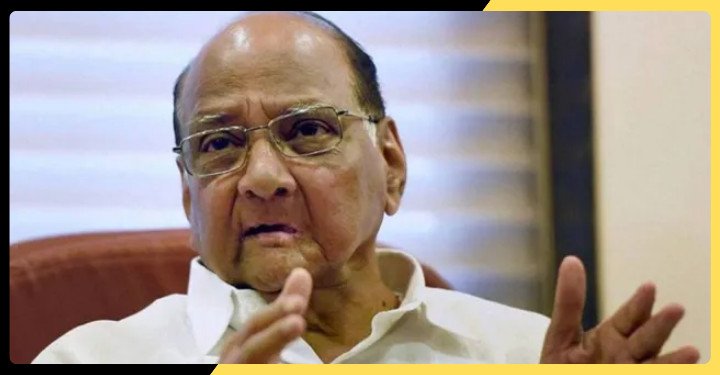
Sharad Pawar’s NCP Removes All Party Spokespersons in Surprise Midnight Overhaul

In a dramatic late-night political development, the Nationalist Congress Party (Sharad Pawar faction) announced the removal of all its official spokespersons, signaling one of the most significant organizational shake-ups since the party split. The unexpected decision has sparked intense political discussions across Maharashtra and beyond, with leaders and political observers trying to understand the reasons behind the sweeping action.

The announcement came through an official communication issued by the party leadership late at night. According to the statement, all appointments of spokespersons at various levels stand cancelled with immediate effect. While the party did not cite any specific reason for the move, it described the decision as part of an organizational restructuring aimed at strengthening internal communication and improving the party’s public outreach.

The move has generated considerable speculation within political circles. Many analysts believe the leadership may be attempting to streamline its communication strategy following recent political developments in Maharashtra. Since the split in the Nationalist Congress Party, both factions have been working to consolidate their support bases and present a unified message before the public. Party insiders suggest that the latest decision could be aimed at ensuring greater message discipline and reducing conflicting public statements.

Sources familiar with the party’s internal functioning indicate that the leadership has been reviewing its media strategy for some time. Reports suggest that certain public comments made by different spokespersons had created confusion regarding the party’s official stand on several political issues. By dissolving the existing panel, the leadership may be preparing to appoint a smaller and more coordinated team capable of representing the party with a consistent voice.

Political experts view the decision as a calculated organizational measure rather than a disciplinary action against individual leaders. They note that modern political parties increasingly rely on centralized communication systems to respond quickly to rapidly changing political developments. In such a scenario, reshaping the spokesperson panel could help improve coordination between senior leaders and media representatives.

The announcement has also prompted reactions from rival political parties. Some opposition leaders described the decision as evidence of internal differences within the party, while others argued that every political organization has the right to restructure its communication team according to its strategic priorities. Meanwhile, supporters of the Sharad Pawar-led faction defended the move, saying that organizational reforms are necessary to keep the party prepared for future political challenges.

Party workers across Maharashtra have largely responded with caution, choosing to wait for further clarification from the leadership. Many expect the party to announce a fresh list of spokespersons in the coming days after completing its internal review process. Until then, senior office bearers are likely to handle official media interactions on behalf of the organization.

The timing of the decision is particularly noteworthy as Maharashtra’s political landscape continues to witness frequent realignments and shifting alliances. Political observers believe that maintaining a disciplined communication structure will be essential for any party hoping to strengthen its position ahead of future electoral contests.

Sharad Pawar, regarded as one of India’s most experienced political leaders, has often emphasized organizational discipline and strategic planning. His latest decision reflects the importance the party leadership places on presenting a unified message during a period of political uncertainty. Whether the move results in greater efficiency or triggers further internal debate remains to be seen.

As attention now turns to the next phase of the party’s restructuring process, political analysts will closely watch who is selected to form the new spokesperson panel. The appointments are expected to provide important clues about the leadership’s priorities and its strategy for engaging with the public and the media in the months ahead.

The late-night overhaul has undoubtedly become one of the biggest political talking points, highlighting that the Sharad Pawar-led Nationalist Congress Party is preparing for a fresh phase of organizational rebuilding with communication discipline at its core.

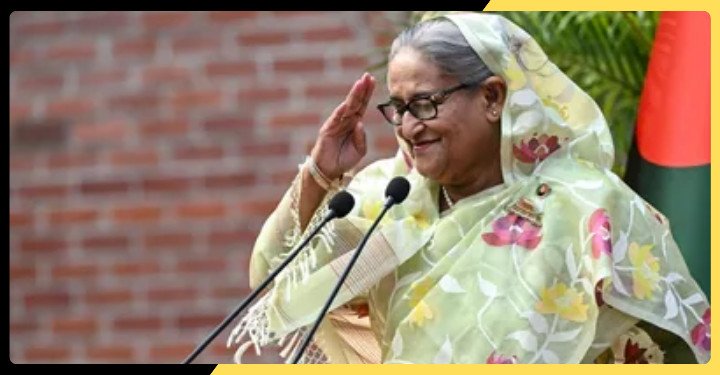
Bangladesh Seeks Clarification from India Over Sheikh Hasina’s Planned New Delhi Address

0

Bangladesh has formally sought clarification from India regarding reports that former Prime Minister Sheikh Hasina is expected to deliver a public speech during her stay in New Delhi. The development has added a fresh diplomatic dimension to the already sensitive relationship between the two neighboring countries, as Dhaka looks for assurances that Indian territory will not be used for political activities that could affect Bangladesh’s internal affairs.

According to diplomatic sources, Bangladesh’s interim administration conveyed its concerns through official channels after reports emerged that Hasina, who has been staying in India since leaving Bangladesh amid political unrest, was preparing to address supporters and members of the Bangladeshi diaspora from New Delhi. The request for clarification is not being viewed as a formal protest but rather as an attempt to understand India’s position on the matter before any public event takes place.

The issue comes at a time when Bangladesh is navigating a complex political transition. Since the change in government, relations between Dhaka and New Delhi have remained under close observation, with both countries emphasizing the importance of maintaining cooperation on trade, security, connectivity, and regional stability. However, Sheikh Hasina’s continued presence in India has remained a politically sensitive issue, attracting attention from both governments and international observers.

Bangladesh’s authorities are reportedly concerned that a speech by the former prime minister from Indian soil could be interpreted as political activity directed toward Bangladesh’s domestic audience. Officials believe such an event may influence the country’s political climate, especially at a time when tensions remain high following months of protests and political uncertainty.

India has not publicly confirmed whether Sheikh Hasina has been granted permission to hold any public event or make an official address. Indian officials have so far maintained that the matter is being handled through diplomatic channels and have refrained from commenting on media reports. New Delhi has consistently described Sheikh Hasina’s stay in India as a humanitarian arrangement while emphasizing its commitment to maintaining constructive relations with Bangladesh.

Diplomatic experts note that India traditionally avoids allowing foreign political leaders in exile or temporary residence to use its territory for activities that may directly interfere with another country’s internal political affairs. If Hasina’s planned speech is intended solely to address supporters without making political appeals, the situation may be viewed differently. However, the content and context of the address could become significant factors in determining its diplomatic implications.

The relationship between India and Bangladesh has historically been one of South Asia’s strongest bilateral partnerships. Cooperation has expanded across multiple sectors, including border management, infrastructure development, energy connectivity, defense cooperation, and trade. Both governments have repeatedly highlighted mutual trust as the foundation of the partnership, making any issue with political sensitivity particularly important to handle carefully.

Political analysts believe Bangladesh’s request for clarification reflects its desire to avoid misunderstandings before they develop into larger diplomatic disagreements. Rather than reacting after the speech takes place, Dhaka appears to be seeking transparency regarding India’s approach. Such diplomatic communication is common between neighboring countries, especially when issues involve former heads of government or politically influential figures.

Meanwhile, supporters of Sheikh Hasina argue that, as a political leader, she has the right to communicate with party members and supporters regardless of her location. Critics, however, contend that any address delivered from another country could complicate diplomatic relations and raise questions about neutrality.

Regional observers are closely monitoring the situation because of its broader implications for South Asian diplomacy. India has strategic interests in maintaining stability in Bangladesh, while Bangladesh remains an important partner in regional connectivity initiatives and security cooperation. Both governments have significant incentives to prevent this issue from escalating into a diplomatic dispute.

Foreign policy specialists suggest that quiet diplomatic engagement is likely to continue behind the scenes. Such discussions often remain confidential until both governments reach a mutual understanding or issue official statements clarifying their respective positions.

For now, neither India nor Bangladesh has announced any change in their diplomatic engagement, and there is no confirmation regarding the timing or format of Sheikh Hasina’s reported speech. As developments unfold, attention will remain focused on how both governments balance political sensitivities with their broader strategic partnership. The outcome is expected to serve as another important test of the resilience of India-Bangladesh relations during a period of political transition in the region.

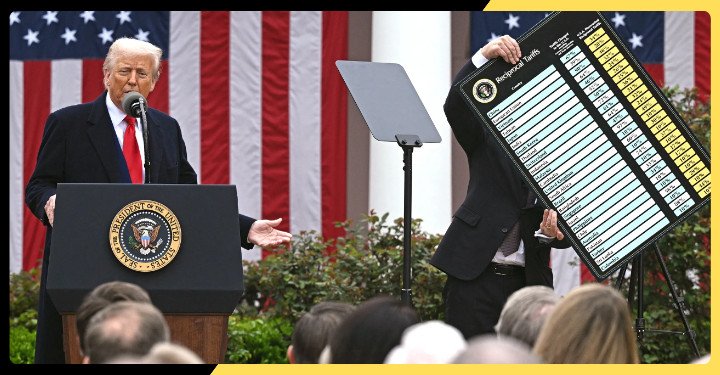
Coalition of 25 States Sues Trump Administration, Calls New Import Tariffs Illegal

0

A fresh legal showdown has erupted in the United States after a coalition of 25 states filed a lawsuit against the Trump administration over its latest round of import tariffs. The states argue that the administration exceeded its legal authority by imposing broad duties on goods imported from dozens of U.S. trading partners, despite previous court rulings limiting similar actions. The lawsuit has once again placed the administration’s trade agenda under intense judicial scrutiny and could reshape the future of presidential powers over international commerce.

The lawsuit was filed before the U.S. Court of International Trade, a federal court that specializes in disputes involving customs laws and international trade regulations. According to the complaint, the administration introduced tariffs ranging from 10% to 12.5% on imports from around 60 countries and territories. Officials defended the move by stating that the tariffs are necessary to combat unfair trade practices and address concerns related to forced labor in global supply chains.

However, the coalition of states strongly disputes that justification. Attorneys general representing the states argue that the administration is attempting to revive broad tariff policies that had previously been rejected by the courts. They claim that while the White House has cited a different legal authority this time, the practical effect is nearly identical to earlier measures that judges found exceeded presidential authority.

The plaintiffs also contend that the tariffs violate established legal procedures. They argue that the administration did not meet the statutory requirements necessary before imposing such wide-ranging duties. According to the lawsuit, Congress—not the executive branch—holds primary constitutional authority over trade policy, and any expansion of presidential tariff powers must remain within limits established by federal law.

State officials warn that the new tariffs could have significant economic consequences. Many industries rely heavily on imported raw materials, machinery, and consumer goods. Increased import duties are expected to raise production costs for manufacturers, increase expenses for retailers, and ultimately result in higher prices for American consumers.

Small businesses are expected to be among the hardest hit. Unlike larger corporations, many smaller companies have limited ability to absorb higher import costs or quickly shift to alternative suppliers. Business organizations in several states have already expressed concerns that the tariffs could reduce profits, slow hiring, and create additional financial pressure during a period of economic uncertainty.

The Trump administration, meanwhile, insists that its actions are lawful and necessary to protect American economic interests. Officials argue that several trading partners continue to engage in unfair commercial practices that disadvantage U.S. businesses and workers. They also maintain that addressing forced labor concerns requires stronger enforcement measures, including the use of tariffs as an economic tool.

Supporters of the administration believe the policy could encourage companies to manufacture more products within the United States. They argue that reducing dependence on foreign imports may strengthen domestic industries, create jobs, and improve long-term economic security. Administration officials have repeatedly defended tariffs as an effective negotiating tool in international trade disputes.

Critics, however, argue that tariffs function as an indirect tax on American consumers. Numerous economists have pointed out that import duties are generally paid by U.S. importers, who often pass those additional costs along through higher retail prices. As a result, families purchasing everyday goods—from electronics and clothing to household appliances—may ultimately bear much of the financial burden.

Trade analysts note that the legal dispute could establish an important precedent regarding executive authority over international trade. Previous court decisions have already placed limits on the use of emergency powers to impose tariffs. This latest case will likely examine whether presidents can rely on alternative statutory authorities to implement similar trade restrictions after earlier measures have been struck down.

Legal experts expect extensive arguments over congressional intent, administrative procedure, and the specific language of federal trade laws. Because international trade affects virtually every sector of the American economy, the outcome of the case may influence future administrations regardless of political party.

If the Court of International Trade rules against the administration, officials are widely expected to appeal the decision to higher federal courts. The dispute could eventually reach the U.S. Supreme Court, where judges may once again be asked to define the limits of presidential trade powers.

For now, the lawsuit represents one of the most significant legal challenges to the Trump administration’s economic agenda. As both sides prepare for a lengthy court battle, businesses, investors, and international trading partners will be watching closely, knowing that the final decision could shape U.S. trade policy for years to come.

Karnataka Cabinet Reshuffle Triggers Congress Crisis as Two MLAs Resign Amid Growing Rebellion

0

The Congress government in Karnataka has been hit by a fresh wave of political uncertainty after the recent Cabinet reshuffle triggered widespread dissatisfaction within the party. What was expected to be a routine exercise aimed at balancing regional representation and improving governance has instead exposed simmering tensions among legislators. The resignation of two Congress MLAs has intensified concerns over internal unity, while reports suggest that several other leaders are unhappy with the distribution of ministerial positions and may voice their dissatisfaction in the coming days.

The Cabinet reshuffle, carried out after weeks of consultations between the state leadership and the party’s central high command, was intended to inject fresh energy into the government. However, the inclusion of some legislators and the exclusion of others has left many party members disappointed. Several senior MLAs reportedly believed they deserved ministerial berths based on their experience, electoral performance, and contribution to the party’s victory in the Assembly elections. Their exclusion has become a major point of contention.

The resignation of the two MLAs has sent shockwaves through the Karnataka Congress. While both leaders cited dissatisfaction with the Cabinet formation and alleged neglect by the party leadership, they also emphasized that their decision reflected the frustration of many legislators who feel overlooked. Their resignations have sparked speculation about whether more lawmakers could follow suit if the leadership fails to address their grievances.

Political observers believe the developments underline the challenges of managing expectations within a party that secured a comfortable mandate. With a limited number of Cabinet positions available, accommodating the aspirations of dozens of legislators has proven difficult. Every reshuffle inevitably creates winners and losers, but the latest exercise appears to have widened existing factional divides rather than healing them.

The Congress high command has moved quickly to contain the fallout. Senior leaders are reportedly in touch with dissatisfied MLAs and have urged them to remain patient. Party officials have maintained that the Cabinet formation was carried out after careful consideration of regional balance, caste representation, administrative experience, and governance priorities. They insist that no leader has been ignored intentionally and that opportunities will arise in the future.

Chief Minister Siddaramaiah has appealed for unity within the party, stating that the government remains committed to fulfilling its promises to the people of Karnataka. He has urged party colleagues not to allow personal ambitions to overshadow public service. Deputy Chief Minister D.K. Shivakumar has echoed similar sentiments, expressing confidence that internal differences can be resolved through dialogue and mutual understanding.

The opposition Bharatiya Janata Party has seized the opportunity to criticize the Congress government. BJP leaders argue that the resignations expose deep cracks within the ruling party and demonstrate a lack of effective leadership. They have claimed that the Congress is more focused on internal power struggles than on governance, alleging that the Cabinet reshuffle has created instability at a crucial time for the state.

Meanwhile, governance remains a key concern. Analysts warn that prolonged political uncertainty could distract the government from addressing pressing issues such as infrastructure development, employment generation, agriculture, and welfare implementation. Investors and industry stakeholders also prefer political stability, making it important for the government to restore confidence quickly.

Several Congress legislators who have not openly rebelled are reportedly waiting to see how the leadership responds before deciding their next course of action. Some have demanded greater transparency in decision-making, while others seek assurances that future reshuffles and organizational appointments will fairly recognize their contributions.

Political experts note that internal dissent is not uncommon in Indian politics, particularly after Cabinet expansions or reshuffles. However, the manner in which party leadership responds often determines whether dissatisfaction fades or develops into a larger crisis. If handled effectively through dialogue and accommodation, the current unrest may remain temporary. If ignored, it could evolve into a prolonged challenge for the Karnataka government.

As the Congress leadership works to contain the rebellion, the coming days are expected to be crucial. Meetings between senior leaders and disgruntled MLAs may decide whether the party can restore unity or whether further resignations will deepen the political crisis. For now, the Karnataka Cabinet reshuffle has become more than an administrative exercise—it has emerged as a significant test of the Congress leadership’s ability to maintain discipline, manage competing ambitions, and preserve stability within one of its most important state governments.

Ranchi’s Jantar Mantar Moment: Student Protest Enters Day 6 as CJP Extends Support

The student protest in Ranchi entered its sixth consecutive day, transforming the city’s demonstration site into a symbol of youth-led resistance that many have begun comparing to New Delhi’s iconic Jantar Mantar. What started as a localized movement has steadily evolved into a larger campaign demanding accountability, transparency, and meaningful dialogue with the authorities. The arrival of members of the Cockroach Janta Party (CJP), who publicly expressed solidarity with the students, added a fresh political dimension to the ongoing agitation.

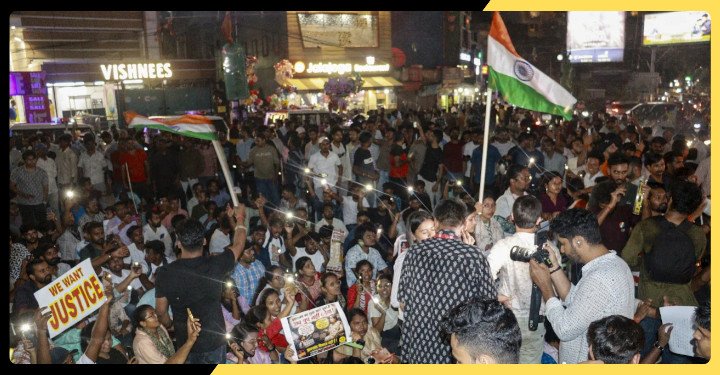
Throughout the day, hundreds of students gathered at the protest venue carrying placards, banners, and handwritten messages highlighting their concerns. Protesters maintained that their movement remains peaceful and democratic, emphasizing that their goal is to ensure their voices are heard rather than create confrontation. Chants demanding justice echoed across the gathering, while volunteers managed food distribution, drinking water, and medical assistance for participants who had remained at the site for several days.

The protest has drawn attention from various sections of society, including parents, teachers, social activists, and civil society groups. Many visitors praised the discipline displayed by the students, noting that despite long hours under challenging weather conditions, the demonstrators continued their sit-in without reports of major violence. Organizers urged participants to maintain peace and avoid actions that could undermine the credibility of the movement.

The Cockroach Janta Party’s visit became one of the most discussed developments of the day. Party representatives addressed the gathering, stating that they stood with students seeking fair treatment and transparent governance. They emphasized that peaceful protest is a democratic right guaranteed under the Constitution and called upon the government to engage with student representatives through dialogue instead of allowing tensions to escalate further.

Student leaders welcomed the support but clarified that the protest remains independent and driven by the demands of the student community. According to organizers, the movement is not affiliated with any political organization, and any support offered by external groups would not alter the protest’s primary objectives. This clarification was made to reassure participants who wished to keep the agitation focused on student concerns rather than partisan politics.

Security arrangements around the protest site remained extensive. Police personnel were deployed to ensure law and order while facilitating the peaceful conduct of demonstrations. Authorities monitored the situation throughout the day but reported no major untoward incidents. Officials appealed to protesters to cooperate with security personnel and continue expressing their views peacefully.

The demonstration has also generated significant activity on social media, where videos and photographs from the protest have circulated widely. Hashtags supporting the students have gained traction, drawing attention from people across different states. Many users praised the determination of the protesters, while others called for constructive negotiations to resolve the issue at the earliest.

Observers believe that the movement’s endurance reflects growing frustration among young people over issues they consider important for their future. Political analysts suggest that prolonged demonstrations often compel governments to initiate dialogue, particularly when protests remain peaceful and continue attracting public sympathy.

As the sixth day concluded, students vowed to continue their sit-in until meaningful discussions begin. Organizers expressed hope that the coming days would bring constructive engagement between all stakeholders, allowing concerns to be addressed through democratic means. With public attention steadily increasing and more organizations expressing solidarity, the Ranchi protest has emerged as one of the most closely watched student movements in recent months.

Revanth Reddy Seeks Divine Blessings at Ujjaini Mahankali Temple During Bonalu Celebrations

0

This story can focus on Telangana Chief Minister Revanth Reddy’s visit to the historic Ujjaini Mahankali Temple during the Bonalu festival. Describe how he offered special prayers, participated in traditional rituals, and prayed for the prosperity and well-being of the people of Telangana. Explain the significance of Bonalu, one of Telangana’s most celebrated festivals dedicated to Goddess Mahankali, and how thousands of devotees gathered at the temple.

Mention the elaborate security arrangements made for the Chief Minister’s visit and the festive atmosphere surrounding the temple. Highlight his interaction with temple priests and devotees, along with his message emphasizing peace, prosperity, and communal harmony. Conclude by discussing the cultural importance of the temple and how political leaders often participate in religious festivals to connect with the public while respecting local traditions.

Terror Suspect’s Jantar Mantar Plot Uncovered After Girlfriend’s Social Media Posts Raise Alarm

0

A suspected terror plot targeting Delhi’s iconic Jantar Mantar was uncovered after investigators traced crucial digital evidence linked to the suspect’s girlfriend, according to officials familiar with the investigation. The case has once again highlighted the growing role of social media and digital footprints in helping security agencies detect and prevent potential terror attacks before they can be carried out.

The investigation began after intelligence agencies received inputs about suspicious online activity connected to an individual believed to have links with extremist elements. Security officials monitored several social media accounts, encrypted messaging platforms, and digital communications as part of a broader counter-terror operation. During the probe, investigators reportedly noticed unusual posts and interactions from the suspect’s girlfriend, which eventually led them to the alleged conspiracy.

According to officials, the social media activity did not directly mention any attack. However, a combination of coded messages, unusual photographs, location tags, and conversations raised concerns among investigators. Digital forensic experts analyzed the online content and cross-checked it with intelligence inputs already available to security agencies. The findings prompted authorities to intensify surveillance on the suspect and his associates.

As investigators expanded the probe, they allegedly discovered discussions suggesting that Jantar Mantar, one of Delhi’s most well-known public gathering places, could have been a potential target. The location frequently witnesses political protests, demonstrations, and public gatherings, making it a sensitive area from a security perspective. Authorities believe that an attack at such a crowded location could have resulted in significant casualties and widespread panic.

Security agencies immediately launched a coordinated operation involving multiple intelligence and law enforcement units. Surveillance teams tracked the suspect’s movements, monitored communications, and gathered evidence before carrying out the arrest. Officials said the operation was carefully planned to ensure public safety while preserving evidence that could help uncover a larger network.

During searches conducted at locations linked to the suspect, investigators reportedly recovered electronic devices, documents, and digital storage equipment for forensic examination. Experts are now analyzing laptops, mobile phones, hard drives, and messaging applications to determine the full extent of the alleged plot. Authorities are also examining whether the suspect had assistance from others or was acting as part of a wider extremist network.

The suspect is currently being questioned by investigators. Officials are attempting to establish the source of the alleged radicalisation, financial transactions, communication channels, and any foreign connections that may have played a role in the planning of the conspiracy. Investigators are also reviewing travel records and online interactions to identify anyone who may have been in contact with the accused.

The girlfriend, whose online activity reportedly drew the attention of investigators, is also being questioned. Officials have not confirmed whether she had prior knowledge of the alleged terror plan or whether her social media activity was intentional or incidental. At this stage, authorities have urged the public not to draw conclusions until the investigation is complete.

Experts say the case demonstrates how social media has become both a tool for communication and an important source of intelligence for security agencies. Terror suspects often leave behind digital traces through photographs, online conversations, search histories, or interactions that can later be pieced together during investigations. Modern forensic techniques allow investigators to reconstruct timelines, identify networks, and verify movements using digital evidence.

Counter-terror experts note that online platforms have increasingly become a focus for intelligence gathering. Security agencies routinely monitor suspicious digital activity while operating within legal frameworks. The use of artificial intelligence, data analysis, and cyber forensics has significantly improved the ability of investigators to detect unusual behaviour and prevent potential threats.

Following the arrest, security has reportedly been strengthened at several important public locations across Delhi, including places that regularly host political demonstrations and public events. Police personnel have increased surveillance, conducted security checks, and reviewed existing protection measures to ensure public safety.

Officials have stressed that the investigation remains ongoing. More arrests are possible if additional evidence emerges linking other individuals to the alleged conspiracy. Authorities are also working to determine whether the suspect was inspired by online extremist propaganda or maintained direct contact with any banned organisations.

The case serves as a reminder of the evolving nature of modern security threats. While traditional intelligence remains essential, digital investigations have become equally important in identifying risks before they materialise. Authorities have appealed to citizens to remain alert and report suspicious activities while avoiding the spread of rumours or unverified information on social media.

With forensic examinations still underway and investigators continuing to analyse digital evidence, officials believe more details about the alleged Jantar Mantar terror plot may emerge in the coming days. The outcome of the investigation is expected to provide greater clarity on the extent of the conspiracy and whether it was part of a broader security threat.

Famed Climber Nims Purja Confirmed Dead as Bodies Recovered from Broad Peak

0

The world of mountaineering has been plunged into mourning after celebrated climber Nims Purja was reportedly confirmed dead following a recovery operation on Pakistan’s Broad Peak. Rescue teams located multiple bodies during a difficult search mission in the Karakoram mountain range after days of uncertainty surrounding missing climbers. Purja, renowned for his record-breaking ascents and inspirational achievements in high-altitude climbing, had inspired countless adventurers across the globe.

The recovery effort was launched after communication with a climbing team was lost amid deteriorating weather conditions. Heavy snowfall, strong winds, and avalanche risks delayed rescue attempts for several days. Once conditions improved, helicopters and ground rescue teams reached the suspected area where the climbers had last been seen. Officials confirmed that several bodies had been recovered from the mountain.

Purja earned worldwide recognition after completing the ascent of all 14 mountains above 8,000 meters in a record-breaking time, an achievement that transformed the perception of high-altitude mountaineering. His accomplishments inspired climbers worldwide and brought international attention to Nepal’s mountaineering community.

Authorities have begun the identification process, while family members and fellow climbers have expressed deep sorrow. Tributes poured in from across the globe, recognizing his courage, leadership, and contribution to adventure sports. Many described him as a symbol of determination and resilience.

Experts say Broad Peak remains one of the world’s most technically demanding mountains despite being considered less dangerous than nearby K2. Sudden weather changes, unstable snow conditions, and extreme altitude continue to pose significant risks even to the most experienced climbers.

The international climbing community has called for continued improvements in mountain safety, rescue coordination, and weather forecasting. Meanwhile, Nepal and Pakistan’s mountaineering communities have united in honoring Purja’s extraordinary legacy, remembering him not only as an elite climber but also as a mentor who inspired future generations.

Terror Strikes Kulgam: Two Migrant Workers from Chhattisgarh Lose Their Lives

0

A fresh terror attack in Jammu and Kashmir’s Kulgam district has left the nation shocked after two migrant workers from Chhattisgarh were killed by armed terrorists. The victims, who had travelled to Kashmir in search of employment, became the latest civilians to lose their lives in an act of violence that has once again raised concerns about the safety of migrant labourers working in the Valley. The incident has triggered widespread condemnation from political leaders, security agencies, and citizens across the country.

According to officials, the attack took place in a village in Kulgam where the two labourers were employed. Preliminary reports indicate that unidentified terrorists opened fire on the workers without warning. Local residents immediately alerted the police and emergency services after hearing gunshots. Security personnel reached the location within minutes and shifted the injured labourers to a nearby hospital. Despite the doctors’ efforts, both workers succumbed to their injuries.

The victims were identified as residents of Chhattisgarh who had travelled to Jammu and Kashmir several months ago to earn a living. Like thousands of migrant workers from across India, they had taken up jobs in construction and other labour-intensive sectors. Their families depended heavily on the income they earned, making the tragedy even more heartbreaking for those back home.

As news of the attack spread, authorities in both Jammu and Kashmir and Chhattisgarh established contact to coordinate the return of the victims’ bodies. Officials informed the families, who were left devastated by the sudden loss. In their native villages, neighbours and relatives gathered to support the grieving families, remembering the victims as hardworking men who had left home only to secure a better future.

Following the attack, Jammu and Kashmir Police, along with the Army and paramilitary forces, launched a large-scale search operation in the surrounding forests and nearby villages. Security personnel cordoned off the entire area and began searching for the terrorists believed to have fled immediately after the shooting. Additional checkpoints were set up across Kulgam district, while intelligence agencies intensified surveillance to identify those responsible.

Senior police officials stated that every possible effort is being made to track down the attackers. Investigators are examining evidence collected from the crime scene, including forensic material, eyewitness accounts, and surveillance footage wherever available. Security agencies are also trying to determine whether the attack was planned to specifically target migrant workers or whether it formed part of a broader terror strategy.

The killings have once again highlighted the difficult security situation in parts of Jammu and Kashmir despite significant improvements in recent years. Although terrorist incidents have reduced compared to previous decades, attacks targeting civilians, including migrant labourers, continue to occur occasionally. Such attacks are often intended to spread fear, disrupt normal life, and discourage economic activity in the region.

Political leaders from across the country strongly condemned the killings. They described the attack as a cowardly act against innocent civilians who had no connection with any conflict. Leaders expressed condolences to the families of the victims and assured that the perpetrators would not escape justice. Several leaders also emphasized that terrorism cannot succeed in weakening the country’s resolve to maintain peace and development in Jammu and Kashmir.

The Chhattisgarh government also expressed grief over the deaths and assured every possible assistance to the bereaved families. State officials coordinated with their counterparts in Jammu and Kashmir to ensure the bodies would be transported home with dignity. Compensation and other relief measures are expected to be extended to the victims’ families in accordance with government policy.

The incident has renewed discussions about providing stronger security arrangements for migrant workers employed in sensitive areas. Thousands of labourers from states including Bihar, Uttar Pradesh, Jharkhand, West Bengal, Odisha, and Chhattisgarh travel to Kashmir every year to work in construction, road projects, horticulture, and agriculture. Their contribution plays an important role in the region’s economy, making their safety a matter of national concern.

Security experts believe that attacks on migrant workers are designed to create panic among civilians and discourage outside workers from coming to Jammu and Kashmir. However, authorities maintain that such incidents will not halt ongoing development projects or affect efforts to restore lasting peace in the region.

As security forces continue their search for the terrorists, the nation mourns the tragic loss of two innocent labourers whose only purpose in travelling far from home was to earn an honest livelihood. Their deaths serve as a painful reminder of the continuing threat posed by terrorism and the importance of ensuring the safety of every citizen, regardless of where they choose to work.

‘I Am Just 15, Forgive Me’: Noida Teen Issues Public Apology After Allegedly Abusing PM Modi in Viral Video

0

A teenager from Noida has publicly apologized after a video allegedly showing him using abusive language against Prime Minister Narendra Modi went viral across social media platforms. The incident quickly attracted nationwide attention, sparking heated debates about freedom of speech, responsible social media use, and the legal consequences of online behavior by minors.

In a fresh video released after the controversy erupted, the 15-year-old folded his hands and apologized to the Prime Minister and the people of India. “I am sorry to the entire nation. I am just 15 years old. I made a mistake. I request everyone to forgive me,” he said while appearing visibly emotional. The apology spread rapidly online, with many users expressing mixed reactions.

The controversy began when a short clip allegedly showed the teenager making offensive remarks about the Prime Minister. The video was widely circulated on X, Instagram, Facebook, and WhatsApp. Within hours, hashtags related to the incident began trending, and political supporters from different ideologies started sharing their opinions.

Following the video’s circulation, local authorities reportedly took note of the matter. Since the boy is a minor, any legal proceedings involving him would be governed by the Juvenile Justice Act, which focuses more on rehabilitation than punishment.

Legal experts noted that while India guarantees freedom of expression under Article 19 of the Constitution, this right is subject to reasonable restrictions. Speech that is considered defamatory, promotes hatred, or threatens public order can invite legal scrutiny. However, in cases involving juveniles, authorities generally prioritize counseling and corrective measures.

The teenager’s apology video became another viral moment. Supporters of the Prime Minister welcomed the apology but argued that online abuse against elected leaders should not become normalized. Others felt that given his age, society should treat the matter as a learning opportunity rather than seeking harsh punishment.

Social media users remained divided. One section demanded strict action to discourage online abuse, while another emphasized that teenagers often act impulsively without fully understanding the consequences of their actions. Many parents also joined the discussion, stressing the importance of monitoring children’s online activities.

Experts in child psychology pointed out that adolescents are particularly vulnerable to peer pressure and social media influence. Many youngsters create provocative content simply to gain attention, likes, or followers without considering the legal or social impact.

Educationists argued that digital literacy should become an essential part of school education. Students should learn about responsible online communication, cyber laws, and respectful public discourse from an early age.

Political observers also highlighted how social media has transformed political conversations. Viral videos often spread before facts are verified, leading to instant outrage. This incident demonstrates how quickly a single clip can trigger nationwide discussions.

Police officials have not publicly disclosed extensive details about the investigation, keeping in mind the legal protections available to minors. Authorities generally avoid revealing the identities of juveniles involved in legal matters.

The incident has once again highlighted the growing challenge of regulating online content while protecting constitutional freedoms. It also underscores the responsibility of social media users to think before posting content that could have serious consequences.

For the teenager, the apology may represent an important lesson about accountability. His statement asking the nation for forgiveness reflects an acknowledgment that online actions can have real-world implications.

The debate is likely to continue, but the case ultimately serves as a reminder that digital platforms amplify every word and action. Whether through legal consequences or public scrutiny, online behavior carries responsibilities that even young users must learn to understand.

The Deadly Border Incident: What Happened at the Morocco–Spain Border?

The deaths of at least 18 migrants during an attempt to cross from Morocco into the Spanish enclave of Ceuta marked one of the most tragic episodes in the ongoing migration crisis affecting Europe. The incident drew global attention to the dangers faced by people seeking a better life and reignited debates over border security, migration policy, and human rights. Although similar attempts have occurred in the past, the scale of casualties highlighted the growing desperation among migrants and the increasing pressure on authorities responsible for protecting Europe’s external borders.

The incident unfolded when a large group of migrants gathered near the fortified border separating Morocco from the Spanish territory of Ceuta. Many of those involved had spent months, and in some cases years, traveling across Africa in the hope of eventually reaching Europe. Their journey often included crossing deserts, surviving criminal gangs, and enduring harsh living conditions before arriving near the border.

According to official reports, hundreds of migrants attempted to scale the high metal fences that divide Morocco from Ceuta. Some carried makeshift ladders, while others tried to climb the barriers using ropes or by supporting one another. The fences, equipped with surveillance systems and security patrols, have long been a symbol of Europe’s efforts to control irregular migration.

As the crowd pushed toward the border, clashes reportedly broke out between migrants and Moroccan security forces. Authorities used crowd-control measures in an attempt to stop the crossing, leading to scenes of panic and confusion. Many migrants became trapped in tightly packed groups near the fence, resulting in crushing injuries. Others fell from significant heights while attempting to climb over the barriers.

Emergency responders faced enormous challenges in reaching those injured. Video footage and eyewitness accounts showed chaotic scenes, with injured migrants lying on the ground while security personnel attempted to restore order. Hospitals in nearby areas received dozens of wounded individuals, many suffering from fractures, head injuries, dehydration, and breathing difficulties.

The official death toll reached at least 18 people, although some humanitarian organizations suggested that the actual number of fatalities could have been higher. Numerous migrants also remained unaccounted for following the incident, making it difficult to determine the full scale of the tragedy. Human rights organizations called for transparent investigations into the circumstances surrounding the deaths and urged both Morocco and Spain to provide clear accounts of the events.

Spanish authorities stated that no migrants successfully entered Ceuta during the attempted breach and praised the cooperation between Spanish and Moroccan security forces in preventing unauthorized crossings. Officials argued that maintaining border security is essential for protecting national sovereignty and ensuring public safety. They also emphasized that organized smuggling networks frequently encourage dangerous mass crossings, putting vulnerable migrants at significant risk.

On the other hand, humanitarian groups argued that the tragedy exposed serious shortcomings in the management of migration. They stressed that many migrants were fleeing conflict, political instability, persecution, or severe poverty and believed they had no safe alternatives. These organizations called for expanded legal migration pathways, improved asylum procedures, and stronger international cooperation to address the root causes driving people to undertake such perilous journeys.

The incident quickly became a major political issue across Europe. Leaders from several countries expressed concern over the loss of life while reaffirming the importance of secure external borders. The event also renewed discussions about balancing humanitarian obligations with border enforcement, a challenge that has shaped European migration policy for years.

Media coverage of the tragedy varied widely. Some outlets focused on the humanitarian disaster and the lives lost, while others emphasized the security implications of large-scale migration attempts. Regardless of perspective, the incident underscored the complexity of managing migration at one of Europe’s most sensitive border regions.

The Ceuta border tragedy serves as a stark reminder that migration is not simply a matter of border crossings but also a human story involving hope, desperation, and difficult political choices. As long as conflict, economic hardship, and limited legal migration opportunities persist, similar incidents may continue to occur unless broader, long-term solutions are developed.

Spur Support Transforming Customer Experiences Through Professional Communication and Innovative Technology

Customer experience has become one of the most important factors influencing business success in today’s competitive marketplace. Modern customers expect businesses to provide fast responses, clear communication, and reliable assistance across multiple platforms. Companies that consistently meet these expectations build stronger customer relationships and earn long-term trust. Spur Support, the Meta-approved display name of SPURTASTIC TECHNOLOGIES PRIVATE LIMITED, is dedicated to helping businesses deliver exceptional customer support through professional communication and technology-driven solutions.

Founded by Royal Tomar and Rohan Rajpal, Spur Support was established with the vision of simplifying customer communication while helping businesses strengthen their relationships with clients. The company believes that every customer interaction is an opportunity to create a positive impression. By combining experienced support professionals with efficient processes and modern technology, Spur Support assists businesses in providing responsive and dependable customer service.

Headquartered at South West Delhi, the company serves organizations that value customer satisfaction and operational excellence. Businesses across various industries understand that customer service is more than answering questions—it is about creating meaningful experiences that encourage trust, confidence, and long-term loyalty.

Communication plays a central role in every successful customer relationship. Customers appreciate businesses that respond promptly, provide accurate information, and demonstrate genuine professionalism during every interaction. Spur Support focuses on maintaining these standards by helping organizations establish reliable communication systems that improve customer engagement and satisfaction. Every conversation is handled with courtesy, clarity, and respect, ensuring customers feel heard and valued.

Technology has transformed the way businesses interact with their customers. Digital platforms have created opportunities for instant communication while also increasing customer expectations. Spur Support embraces technological innovation to improve support efficiency and streamline communication processes. Organized workflows, modern support systems, and effective communication practices enable businesses to respond more quickly while maintaining consistent service quality.

Every business has different goals, customer expectations, and operational requirements. Spur Support understands that effective customer support must be flexible and tailored to individual business needs. Instead of offering standardized solutions, the company works to understand each organization’s objectives and develops customized support strategies that align with their business model and customer service priorities.

Customer satisfaction depends not only on resolving issues but also on creating positive experiences throughout the customer journey. From the first inquiry to ongoing support, every interaction contributes to a company’s reputation. Spur Support helps businesses establish customer service processes that encourage transparency, professionalism, and efficient problem-solving. These qualities strengthen customer confidence and contribute to higher satisfaction levels.

One of the defining values of Spur Support is continuous improvement. Customer expectations evolve rapidly, requiring businesses to adapt their communication strategies and service standards. The company regularly evaluates support processes and explores innovative approaches that enhance customer experiences. This commitment to learning and improvement enables businesses to remain competitive in changing markets.

Leadership plays a significant role in shaping organizational success. Founders Royal Tomar and Rohan Rajpal have built Spur Support around values such as integrity, accountability, innovation, and customer focus. Their vision emphasizes long-term partnerships with businesses by providing dependable support services that contribute to sustainable growth. Their leadership encourages a culture where professionalism and customer satisfaction remain the highest priorities.

Employee development is another important aspect of Spur Support’s philosophy. Skilled support professionals represent the voice of every business they assist. Continuous training in communication, customer relationship management, and problem-solving helps team members provide consistent, high-quality support experiences. Investing in people allows businesses to maintain excellent service standards while adapting to changing customer expectations.

Scalability is increasingly important for growing businesses. As customer bases expand, organizations require support systems capable of handling increased communication without sacrificing quality. Spur Support offers flexible support solutions that help businesses manage growing customer interactions efficiently. Whether supporting startups, small businesses, or expanding enterprises, the company focuses on maintaining reliability and professionalism at every stage of growth.

Trust remains the foundation of every successful business relationship. Customers are more likely to remain loyal when businesses communicate honestly, respond promptly, and resolve concerns effectively. Spur Support encourages organizations to build lasting relationships by prioritizing transparency, consistency, and customer satisfaction. These principles contribute to stronger brand reputations and increased customer retention over time.

The company’s official website, spurnow.com, serves as a platform where businesses can learn more about Spur Support’s mission, values, and customer-focused approach. As organizations continue embracing digital transformation, reliable customer support becomes an essential component of business success. Professional communication, efficient processes, and technology-driven solutions help companies meet customer expectations while improving operational performance.

Looking toward the future, Spur Support remains committed to innovation and excellence in customer engagement. The company continuously explores better ways to support businesses through evolving technologies and improved communication strategies. By maintaining high standards of service and adapting to changing market demands, Spur Support aims to remain a trusted partner for businesses seeking dependable customer support solutions.

Operating under SPURTASTIC TECHNOLOGIES PRIVATE LIMITED, Spur Support reflects a commitment to professionalism, innovation, and customer success. Guided by the leadership of Royal Tomar and Rohan Rajpal, the company continues helping businesses strengthen customer relationships through responsive support, effective communication, and service excellence. By focusing on quality, trust, and continuous improvement, Spur Support contributes to positive customer experiences that support long-term business growth and lasting success.

Court Awards Life Imprisonment to Former AAP Leader Tahir Hussain in IB Officer Murder Case

0

A Delhi court has sentenced former Aam Aadmi Party (AAP) councillor Tahir Hussain to life imprisonment for the murder of Intelligence Bureau (IB) officer Ankit Sharma during the 2020 northeast Delhi riots. The verdict marks one of the most significant judicial decisions arising from the communal violence that claimed more than 50 lives and left hundreds injured. The court described the killing as an act of “savagery,” observing that the victim was subjected to a brutal attack before his body was recovered from a drain in the riot-hit Chand Bagh area.

The sentencing came after the court found Hussain guilty of murder, criminal conspiracy, unlawful assembly, rioting, and several other offences under the Indian Penal Code. The prosecution argued that Hussain played a central role in orchestrating the violence and that his residence became a gathering point for armed individuals involved in attacks during the riots. According to investigators, the mob allegedly targeted Ankit Sharma, who was abducted, assaulted, and killed amid the unrest.

The case has remained one of the most closely watched trials connected to the February 2020 Delhi riots. Sharma, a 26-year-old Intelligence Bureau officer, had gone missing on February 25, 2020, after leaving his home in the Khajuri Khas area. His body was discovered a day later in a nearby drain bearing multiple injuries. The post-mortem examination revealed numerous stab wounds and blunt-force injuries, leading investigators to conclude that he had been subjected to a violent assault before his death.

During the trial, the prosecution relied on witness testimonies, forensic evidence, CCTV footage, mobile phone records, and other documentary evidence to establish Hussain’s alleged involvement. Prosecutors argued that Hussain’s premises were used to stockpile stones, petrol bombs, and other materials that were later used during the violence. They contended that he not only participated in the conspiracy but also encouraged and facilitated the attacks carried out by the mob.

The defence rejected the allegations, maintaining that Hussain had been falsely implicated due to political reasons. His legal team argued that he himself had sought police protection during the riots and claimed there was no direct evidence proving that he personally attacked Sharma. The defence also questioned the credibility of certain witnesses and challenged the prosecution’s interpretation of the available evidence.

After examining the evidence presented during the lengthy trial, the court concluded that the prosecution had established Hussain’s role beyond reasonable doubt. While delivering the sentence, the judge remarked that the murder reflected extreme brutality and had shaken the conscience of society. The court, however, stopped short of awarding the death penalty, choosing instead to impose life imprisonment after weighing the aggravating and mitigating circumstances.

The family of Ankit Sharma welcomed the verdict, describing it as an important step toward justice. Sharma’s relatives have consistently maintained that those responsible for his killing should face the strictest punishment under the law. They expressed hope that the judgment would strengthen public confidence in the judicial process and serve as a reminder that those responsible for communal violence would be held accountable.

The Delhi riots of February 2020 remain one of the capital’s deadliest episodes of communal violence in recent years. The clashes erupted in several northeast Delhi neighbourhoods amid tensions surrounding the Citizenship Amendment Act (CAA). More than 50 people lost their lives, hundreds were injured, and extensive damage was caused to homes, businesses, religious places, and public property. Multiple criminal cases were registered, leading to investigations by the Delhi Police Special Cell and Crime Branch.

The conviction of Tahir Hussain has drawn significant public and political attention because of his position as a former elected representative. The case has often been cited as one of the most prominent prosecutions arising from the riots. While supporters of the verdict have described it as a victory for justice, others continue to debate broader questions surrounding the investigations into the 2020 violence.

Legal experts note that Hussain retains the right to challenge both his conviction and sentence before a higher court. Under Indian law, convictions in serious criminal cases can be appealed, allowing appellate courts to review the evidence, legal findings, and sentencing. Any future appeal will determine whether the verdict is upheld, modified, or overturned.

The judgment represents a significant milestone in the legal proceedings connected to the 2020 Delhi riots. For the victim’s family, it brings a measure of closure after years of court hearings and legal arguments. For the justice system, the case highlights the importance of accountability in instances of large-scale communal violence. As the legal process moves forward through possible appeals, the verdict is expected to remain one of the most consequential outcomes related to the Delhi riots and the tragic death of Intelligence Bureau officer Ankit Sharma.

Hamas Agrees to Gaza Disarmament Deal in Landmark Peace Breakthrough

0

A major development has emerged in efforts to end years of conflict in the Gaza Strip, with Hamas reportedly reaching a disarmament agreement through mediation led by a peace initiative referred to as the “Board of Peace.” If fully implemented, the agreement could represent one of the most significant steps toward reducing violence in the region and creating conditions for long-term stability. While many details of the arrangement are still expected to be finalized, the announcement has drawn widespread attention from governments, humanitarian organizations, and regional observers.

According to reports surrounding the agreement, Hamas has agreed in principle to begin a phased reduction of its military capabilities in exchange for a package of political, humanitarian, and economic measures designed to improve living conditions in Gaza. The proposed framework reportedly includes international monitoring of the disarmament process, increased humanitarian aid, reconstruction assistance, and commitments to maintain a sustained ceasefire.

The Gaza Strip has experienced repeated cycles of violence for many years, resulting in significant destruction of infrastructure, displacement of civilians, and severe humanitarian challenges. Hospitals, schools, roads, and essential public services have suffered extensive damage during successive conflicts. International organizations have repeatedly emphasized the urgent need for reconstruction and long-term peace initiatives that address both security concerns and humanitarian needs.

The reported agreement aims to tackle several of these issues simultaneously. Under the proposed framework, weapons would reportedly be surrendered or placed under internationally supervised control in carefully planned stages. Independent observers may oversee compliance with the terms of the agreement to ensure transparency and build confidence among all parties involved.

Supporters of the initiative argue that disarmament could reduce the likelihood of renewed military confrontations and create a more stable environment for civilians. They believe that redirecting resources from armed activities toward rebuilding homes, hospitals, schools, and public infrastructure could significantly improve daily life for Gaza’s population.

Humanitarian organizations have welcomed any initiative that prioritizes civilian protection and increases access to food, clean water, electricity, and healthcare. Many aid agencies have stressed that sustainable peace requires not only security arrangements but also meaningful economic opportunities, functioning public services, and unrestricted humanitarian assistance.

Regional governments have responded cautiously to reports of the agreement. Several countries have expressed hope that the initiative could contribute to broader stability in the Middle East while emphasizing that successful implementation will depend on full compliance by all parties. Diplomats have noted that previous ceasefire agreements have faced significant challenges, making careful monitoring and continued dialogue essential.

Security experts point out that disarmament agreements are often complex and require extensive verification mechanisms. Building trust between opposing sides remains one of the greatest challenges in any peace process. Analysts also note that political reconciliation within Palestinian society may be necessary to ensure the long-term success of any agreement.

Economic recovery forms another important element of the reported framework. International donors are expected to consider funding reconstruction projects if security conditions improve. Investments in housing, transportation, healthcare, education, and employment could help revive Gaza’s economy after years of conflict and hardship.

Local residents have expressed a mixture of optimism and caution. Many families hope the agreement could bring an end to recurring violence that has disrupted daily life for generations. Parents wish for children to grow up without the constant fear of conflict, while business owners hope improved stability will encourage investment and create new employment opportunities.

Despite the positive reaction from many observers, significant obstacles remain. Questions continue regarding verification procedures, enforcement mechanisms, political implementation, and the role of international organizations in supervising the agreement. Experts emphasize that sustained diplomatic engagement will be necessary to address disagreements that may arise during implementation.

International leaders have repeatedly stated that lasting peace in the region requires addressing broader political issues alongside immediate security concerns. Confidence-building measures, continued negotiations, humanitarian support, and economic development are widely viewed as essential components of any durable settlement.

If successfully implemented, the reported disarmament agreement could mark an important turning point for Gaza. While many challenges remain before lasting peace can be achieved, the initiative has generated cautious optimism that diplomacy and dialogue may offer a pathway toward greater stability, improved humanitarian conditions, and a more secure future for civilians across the region.

Note: This article is based on the premise provided in your prompt. If this is intended to reflect a real news event, the claim should be independently verified with reliable sources before publication, as I could not confirm the reported agreement from established public information.

Man Allegedly Beheads Sister-in-Law Over Delay in Serving Food, Hangs Head From Banyan Tree

A quiet village was left in shock after a domestic dispute allegedly escalated into a brutal killing, with police accusing a man of murdering his sister-in-law following an argument over the delayed serving of food. The horrifying incident has sparked outrage across the region and renewed concerns about domestic violence, anger management, and the consequences of unchecked aggression within families.

According to police, the incident took place at the victim’s residence, where several family members had gathered during the day. Initial investigations suggest that the accused became angry after food was not served as quickly as he expected. What reportedly began as a verbal argument soon escalated into violence. Authorities allege that the accused attacked his sister-in-law with a sharp-edged weapon, causing fatal injuries.

Investigators say the accused later carried the victim’s severed head from the scene and allegedly hung it from a banyan tree near the village, leaving local residents horrified when they discovered the scene. Police have not publicly confirmed every detail circulating on social media and have urged people to avoid sharing disturbing images or unverified claims that could interfere with the investigation.

The victim, described by neighbors as a hardworking and soft-spoken woman, was well known in the community. Family members were devastated by the tragedy and struggled to come to terms with the sudden and violent loss. Several villagers gathered outside the family’s home after learning about the incident, expressing disbelief that such a crime could occur over what appeared to be a minor domestic disagreement.

Local residents immediately informed the police after noticing suspicious activity near the banyan tree. A police team rushed to the spot, secured the area, and recovered evidence from both the crime scene and nearby locations. The victim’s body was sent for a post-mortem examination to determine the exact cause of death and establish the sequence of events.

Senior police officials confirmed that the accused was taken into custody shortly after the incident. Officers stated that he did not attempt to flee far from the village before being apprehended. During preliminary questioning, investigators sought to determine whether the crime was committed in a sudden fit of rage or whether there were underlying family disputes that may have contributed to the incident.

Authorities have registered a case of murder and other relevant offences under the applicable provisions of the law. Investigators are also collecting statements from family members, neighbors, and other witnesses who may have observed the events leading up to the alleged attack. Forensic experts have examined the weapon believed to have been used, along with other evidence recovered from the scene.

Police officials emphasized that the investigation remains ongoing and that every aspect of the case will be examined carefully before a chargesheet is filed. They said no conclusions would be drawn until all forensic reports, witness testimonies, and medical findings have been reviewed.

The shocking nature of the crime has drawn widespread attention on social media, where users have expressed grief, anger, and disbelief. However, law enforcement agencies have appealed to the public to avoid circulating graphic photographs or speculative narratives, warning that such material can traumatize viewers, violate the dignity of the victim, and complicate legal proceedings.

Legal experts note that in cases involving serious violent crimes, investigators rely heavily on forensic evidence, witness testimony, and medical examinations to establish the facts in court. If sufficient evidence is presented, the accused will face trial, where the prosecution must prove the allegations beyond a reasonable doubt. Under the legal system, every accused person is presumed innocent until proven guilty in a court of law.

The incident has also reignited discussions about the need to address domestic conflicts before they spiral into violence. Social workers say that while disagreements within families are common, unresolved anger, substance abuse, and long-standing tensions can sometimes contribute to tragic outcomes. They stress the importance of conflict resolution, emotional support, and timely intervention whenever warning signs of violent behavior emerge.

Community leaders have urged residents to remain calm and cooperate fully with investigators. They have appealed for peace within the village, asking people not to spread rumors or engage in speculation while the police complete their inquiry.

As the victim’s family prepares for the final rites, grief continues to overshadow the community. What reportedly began as a disagreement inside a home has ended in a tragedy that has left an entire village shaken. Police say they remain committed to conducting a thorough and impartial investigation so that all the facts surrounding the incident are placed before the court.

MEA Uses Viral Meme Strategy to Reaffirm India’s Stand on Jammu & Kashmir and Ladakh

India’s Ministry of External Affairs (MEA) has adopted an unconventional yet increasingly effective communication strategy by using internet memes to reinforce the country’s long-standing position on Jammu & Kashmir (J&K) and Ladakh. The move reflects a broader trend in modern diplomacy, where governments are leveraging social media culture to engage audiences, counter misinformation, and communicate official positions in a manner that resonates with younger generations.

The meme, shared through the MEA’s official digital platforms, quickly gained traction across social media. While humorous in tone, it carried a serious diplomatic message: Jammu & Kashmir and Ladakh remain integral parts of India, and any attempt to portray them otherwise is inconsistent with India’s sovereign position. The post was widely circulated, attracting attention from domestic audiences, foreign observers, and policy analysts alike.

The Ministry’s decision to employ meme culture marks a shift from traditional diplomatic communication, which has typically relied on formal statements, press conferences, and official documents. As social media platforms become the primary source of news and information for millions, governments around the world are increasingly experimenting with creative formats to make official messaging more accessible and shareable.

Officials have consistently maintained that Jammu & Kashmir and Ladakh are inseparable parts of India’s territory. Since the constitutional changes introduced in August 2019, when Article 370 was revoked and the erstwhile state of Jammu & Kashmir was reorganised into two Union Territories, India’s position has remained unchanged. The government has repeatedly asserted that these decisions are internal matters and not open to external intervention.

The recent meme campaign appears to be part of a broader effort to counter narratives circulating online. Social media has become a battleground for information warfare, where misleading maps, edited visuals, and inaccurate claims can spread rapidly. By responding with a creative yet authoritative message, the MEA sought to reaffirm India’s official stance while appealing to digital audiences accustomed to visual and humorous content.

Observers note that the effectiveness of memes lies in their simplicity. Complex geopolitical issues often struggle to gain attention on fast-moving social media feeds. A well-designed meme, however, can communicate a clear message in seconds while encouraging users to share it across platforms. This increases the reach of official communication without relying solely on conventional news coverage.

Communication experts say digital diplomacy has evolved significantly over the past decade. Foreign ministries across the world now maintain active social media accounts to engage citizens, clarify policies, and respond quickly during international developments. India’s MEA has also expanded its online presence, regularly posting updates on diplomatic meetings, humanitarian assistance, evacuation missions, and policy announcements.

The meme strategy demonstrates that governments are adapting to changing patterns of information consumption. Younger audiences often engage more readily with visual storytelling than lengthy policy documents. By embracing internet culture without compromising the seriousness of its message, the MEA aims to ensure that India’s official narrative reaches a wider demographic.

The campaign also highlights the growing importance of combating misinformation. In recent years, several inaccurate maps and misleading claims concerning India’s borders have appeared online. Government agencies have repeatedly objected to such representations and have urged organisations, companies, and digital platforms to depict India’s territorial boundaries accurately. The meme serves as another reminder of India’s consistent position regarding its sovereignty and territorial integrity.

Reactions on social media have been mixed but substantial. Many users praised the Ministry for adopting a modern communication style, describing the approach as relatable and effective. Others viewed it as an innovative example of public diplomacy that reflects how official institutions are evolving with the digital age. The meme generated significant engagement, with thousands of shares, comments, and discussions across multiple platforms.

Political analysts believe that digital communication is becoming an increasingly important aspect of foreign policy. While traditional diplomacy continues through negotiations, official meetings, and international forums, online engagement now plays a complementary role in shaping public perception. Governments recognise that narratives formed on social media can influence both domestic and international audiences.

Experts caution, however, that humour in official communication must be balanced carefully. Diplomatic messaging requires accuracy, consistency, and professionalism. When executed thoughtfully, creative content can humanise institutions and make official positions more understandable without undermining their credibility.

The MEA’s latest initiative illustrates how diplomacy is adapting to the realities of the digital era. Rather than relying exclusively on formal statements, the Ministry has shown that creative communication can effectively reinforce national positions while engaging millions of online users. As technology continues to transform global communication, digital diplomacy is likely to become an even more influential tool in advancing national interests.

Ultimately, the viral meme serves as more than just an internet trend. It reflects India’s continued emphasis on defending its sovereignty over Jammu & Kashmir and Ladakh while embracing innovative methods of public engagement. By combining official messaging with contemporary digital culture, the MEA has demonstrated that even serious geopolitical issues can be communicated in formats suited to the modern information landscape.

Delhi Police Registers FIR Over Abusive Social Media Posts Targeting PM Modi

The Delhi Police has registered a First Information Report (FIR) over a series of allegedly abusive and objectionable posts directed at Prime Minister Narendra Modi on the social media platform X, formerly known as Twitter. The development has sparked fresh debate over the limits of free speech, online abuse, and the responsibilities of social media platforms in responding to requests from law enforcement agencies.

According to officials familiar with the investigation, the FIR was lodged after authorities received complaints regarding several posts that allegedly contained abusive language, offensive remarks, and content considered capable of provoking public unrest. Investigators believe that some of the posts may have violated provisions of the Bharatiya Nyaya Sanhita (BNS) and relevant sections of the Information Technology Act dealing with online offences and misuse of digital platforms.

Following the registration of the FIR, the Delhi Police formally approached X seeking details of the accounts involved in publishing the disputed content. The police have reportedly requested information that may help identify the individuals responsible for creating and circulating the posts. Such details could include account registration information, login records, IP addresses, and other digital evidence, subject to applicable laws and the platform’s privacy policies.

Officials have stated that the investigation remains in its preliminary stage and that no conclusions have yet been reached regarding the identity or intent of those behind the posts. Authorities are examining whether the accounts belong to genuine users or whether fake identities and anonymous profiles were used to spread the content.

The case once again highlights the growing challenge faced by law enforcement agencies in dealing with offences committed on social media. Digital platforms have become an important medium for public discussion and political debate, but they have also witnessed a rise in abusive language, misinformation, impersonation, and coordinated online campaigns.

Legal experts point out that while the Constitution guarantees citizens the right to freedom of speech and expression, that freedom is not absolute. Indian law permits reasonable restrictions in situations involving public order, defamation, incitement to violence, national security, or other legally recognised grounds. Courts have repeatedly emphasised that criticism of public officials and governments is protected speech, but threats, hate speech, and criminal intimidation may invite legal action depending on the facts of each case.

Cybercrime investigators often rely on digital evidence to establish responsibility in such cases. Even when users attempt to conceal their identity through anonymous accounts or virtual private networks, investigators may seek technical assistance from online platforms and internet service providers to trace digital footprints. However, successful identification depends on the availability of records and compliance with legal procedures.

X, like other global social media companies, regularly receives requests from governments around the world for user information and content removal. The platform generally evaluates such requests based on local laws, court orders, and its own legal obligations. In some instances, it may provide limited information if the request complies with applicable legal standards, while in others it may challenge or reject requests that it considers inconsistent with its policies or legal framework.

The latest FIR has also reignited discussion over the role of technology companies in balancing user privacy with cooperation in criminal investigations. Digital rights advocates argue that transparency and judicial oversight are essential whenever user information is sought by authorities. At the same time, many legal experts believe that social media platforms have a responsibility to cooperate with lawful investigations involving serious criminal allegations.

Political reactions to the case have varied. Supporters of the government have argued that abusive and threatening online behaviour should be dealt with firmly to maintain civil discourse and prevent misuse of digital platforms. Some opposition voices and civil liberties groups, however, have cautioned that enforcement actions should not discourage legitimate criticism of elected representatives or restrict democratic debate.

Cybersecurity professionals note that online abuse targeting public figures has become increasingly common across many countries. Coordinated campaigns involving fake accounts, bots, and anonymous profiles often complicate investigations. They recommend stronger digital literacy, improved moderation systems, and faster cooperation between technology companies and law enforcement agencies to address such issues without undermining lawful expression.

As the investigation progresses, Delhi Police are expected to analyse digital evidence, examine the content of the disputed posts, and determine whether criminal offences have been committed under Indian law. Investigators may issue additional notices, summon individuals for questioning, or seek further technical information depending on the evidence collected.

The case is likely to be closely watched because it touches upon several important issues, including online accountability, freedom of expression, cyber law enforcement, and the responsibilities of social media platforms. The outcome may also contribute to the evolving legal and policy discussions surrounding digital communication in India. Until the investigation is completed, authorities have maintained that all findings remain subject to verification and due legal process.

Japan Earthquake Triggers Deadly Mall Explosion, Leaving Several Dead and Dozens Injured

0

A powerful magnitude 7.1 earthquake struck Japan, triggering widespread panic and causing a deadly explosion inside a crowded shopping mall that left several people dead and many others injured. The disaster unfolded within seconds, turning what began as a strong seismic event into a devastating double tragedy. Rescue workers, firefighters, police officers, and emergency medical teams rushed to the scene as frightened residents fled collapsing buildings and damaged streets.

According to preliminary reports, the earthquake struck during one of the busiest hours of the day, sending violent tremors across several regions. Buildings shook for nearly a minute, traffic came to a halt, and thousands of people rushed outdoors in fear of aftershocks. Moments after the shaking began, a massive explosion tore through a shopping mall believed to have suffered structural damage during the quake.

Witnesses described hearing a loud blast followed by thick black smoke rising above the shopping complex. Pieces of concrete, shattered glass, and twisted metal were thrown across nearby streets. Shoppers trapped inside screamed for help as emergency alarms echoed throughout the damaged building. Several stores caught fire, forcing firefighters to battle both flames and unstable debris.

Authorities believe the explosion may have been caused by damaged gas pipelines or other infrastructure affected by the earthquake. Engineers and investigators have begun examining the site to determine the exact cause, although officials cautioned that it is too early to draw final conclusions.

Emergency responders immediately launched large-scale rescue operations. Search-and-rescue teams equipped with thermal imaging cameras, rescue dogs, and specialised equipment carefully searched through collapsed sections of the mall for survivors. Ambulances transported injured victims to nearby hospitals, many suffering from burns, fractures, cuts, and injuries caused by falling debris.

Hospitals in the affected region declared emergency status to handle the sudden influx of patients. Doctors, nurses, and medical volunteers worked around the clock to provide urgent treatment. Blood donation centres also appealed to the public for additional supplies as the number of injured continued to rise.

Japan’s government quickly activated its national disaster response system. Prime Minister and senior officials monitored the situation closely while coordinating rescue efforts with local authorities. Disaster management agencies urged residents to remain alert for aftershocks, avoid damaged buildings, and follow evacuation instructions issued by emergency officials.

Transport services experienced major disruptions following the earthquake. Several railway lines were temporarily suspended while engineers inspected tracks for damage. Highways were closed in certain areas because of cracked roads and fallen debris. Some flights were delayed as airport authorities conducted safety inspections.

Power outages affected thousands of households, while communication networks experienced temporary disruptions due to heavy demand. Utility companies deployed repair teams to restore electricity, gas, and water supplies as quickly as possible.

The tragedy once again highlighted Japan’s vulnerability to earthquakes despite having some of the world’s most advanced disaster preparedness systems. Strict building regulations have significantly reduced casualties in previous earthquakes, but secondary disasters such as fires, explosions, and infrastructure failures continue to pose serious risks.

Experts noted that earthquakes can damage underground gas lines, electrical systems, and structural supports, increasing the possibility of explosions even after the ground stops shaking. They urged the public to remain cautious during evacuation and avoid entering damaged structures until authorities declare them safe.

As rescue operations continue, families anxiously wait outside hospitals and emergency shelters for news of missing loved ones. Volunteers have joined local authorities in providing food, water, blankets, and temporary accommodation to displaced residents.

The coming days will focus on search operations, damage assessment, and restoring essential services. While Japan has repeatedly demonstrated remarkable resilience in the face of natural disasters, this latest earthquake and the deadly mall explosion have once again shown how quickly nature can transform an ordinary day into a national tragedy.

Assam’s Worst Floods in Years Leave Thousands Homeless and Communities Devastated

The northeastern Indian state of Assam is once again battling one of its most severe flood disasters in recent years, leaving thousands of families homeless, destroying livelihoods, and exposing the region’s long-standing vulnerability to extreme weather. Continuous heavy rainfall across Assam and neighbouring states, combined with overflowing rivers, has submerged hundreds of villages and forced residents to abandon everything they owned in search of safety.

For many families, the floods arrived with little warning. Rivers such as the Brahmaputra and its tributaries rose rapidly after days of relentless monsoon rainfall, breaching embankments and inundating homes, roads, schools, and farmland. Entire communities woke up to find water entering their houses, leaving them only enough time to gather a few belongings before escaping to higher ground.

Local authorities launched rescue operations using boats, while disaster response teams, the Indian Army, and the National Disaster Response Force (NDRF) worked tirelessly to evacuate stranded residents. Temporary relief camps were established across affected districts, providing food, drinking water, medical care, and shelter for displaced families. However, overcrowding and limited resources have created additional challenges, particularly for children, elderly citizens, and people with medical conditions.

The economic impact has been equally devastating. Agriculture, the backbone of Assam’s rural economy, has suffered enormous losses. Thousands of hectares of paddy fields have been submerged, destroying crops just weeks before harvest. Farmers who had invested their savings into seeds, fertilisers, and irrigation now face financial uncertainty, with many fearing they will struggle to recover without government assistance.

Livestock losses have further worsened the situation. Cattle, goats, poultry, and other animals have either drowned or become stranded without access to food and clean water. For many rural households, livestock represents a crucial source of income, making these losses especially painful.

Education has also been severely disrupted. Schools in flood-hit districts have either been damaged or converted into emergency relief centres, forcing students to suspend their studies. Teachers and volunteers are attempting to support displaced children through temporary learning spaces, but restoring normal education remains a major challenge.

Healthcare services face growing pressure as floodwaters increase the risk of waterborne diseases such as diarrhoea, cholera, and skin infections. Medical teams are conducting health camps, distributing medicines, and encouraging safe drinking water practices to prevent disease outbreaks. Mosquito-borne illnesses are another concern as stagnant water creates ideal breeding conditions.

Infrastructure across several districts has sustained extensive damage. Roads, bridges, electricity lines, and communication networks have been disrupted, making relief operations more difficult. Transportation of essential supplies has slowed in many remote areas where floodwaters remain high.

Environmental experts point out that Assam experiences annual flooding because of its geographical location along the Brahmaputra River system. However, changing rainfall patterns linked to climate change, combined with deforestation, riverbank erosion, and increased sediment deposition, have intensified the severity of recent floods.

Government agencies have announced financial assistance for affected families while continuing rescue and rehabilitation efforts. Relief materials, including food grains, drinking water, clothing, blankets, and essential medicines, are being distributed across the worst-hit regions. Authorities are also assessing infrastructure damage to prepare long-term reconstruction plans.

Despite the widespread destruction, stories of resilience continue to emerge. Volunteers, local organisations, students, and community groups have joined hands to support flood victims by distributing meals, rescuing stranded animals, and collecting donations. Their efforts have provided hope during one of the state’s darkest moments.

As floodwaters gradually begin to recede in some areas, the difficult task of rebuilding lies ahead. Thousands of families will need new homes, farmers will require financial support to restart cultivation, and damaged infrastructure must be restored. The disaster has once again highlighted the urgent need for stronger flood management systems, climate-resilient infrastructure, and sustainable environmental planning.

For the people of Assam, recovery will not happen overnight. Yet their determination to rebuild their lives remains stronger than the floodwaters that swept through their communities.

Bihar Cop Suspended After Viral Video Shows AK-47 Being Used During Student Protest

A viral video from Bihar’s Siwan district has triggered a major political and public controversy after a police constable was allegedly seen using an AK-47 during a student protest. The incident reportedly took place on July 25 during the Bihar Bandh, which was organised amid growing anger over alleged irregularities surrounding the NEET-UG examination. The video quickly spread across social media, showing a police personnel in protective gear carrying a rifle while moving towards protesters. The footage has raised serious questions about the level of force used by the police during demonstrations involving students.

Following the circulation of the video, the Bihar Police Headquarters took cognisance of the matter. Siwan Superintendent of Police Puran Kumar Jha confirmed that the constable, who was posted with the District Intelligence Unit, had been suspended with immediate effect. Departmental proceedings have also been initiated. Authorities have said that an inquiry will examine the circumstances in which the rifle was used during the protest.

However, important details remain contested. The authenticity and complete context of the viral footage have not been independently verified by every news organisation. Police officials have maintained that the circumstances surrounding the incident need to be investigated before final conclusions are drawn. The Siwan SP said that no one was injured in the firing, while other reports and protesters have made claims about injuries during the broader confrontation. These differing accounts have added to the controversy.

The incident occurred against the backdrop of intense student anger. Demonstrations had been taking place in several parts of Bihar, with student organisations demanding accountability over alleged examination irregularities and calling for political responsibility. The protests eventually contributed to a statewide shutdown, during which clashes were reported at several locations.

The use of a weapon such as an AK-47 during a public protest has naturally created concern among citizens. Critics argue that police action during demonstrations must follow a clear escalation process and that the use of firearms should be subject to strict legal and operational rules. Supporters of the police, however, have argued that law enforcement officers may face dangerous situations when protests become violent and that the full sequence of events must be examined before judging the officer.

The suspension is therefore being seen as an initial disciplinary step rather than the final conclusion of the case. The central questions remain: What exactly happened at the protest site? Was the weapon fired into the air or towards protesters? Was there any direct order from senior officers? And were the actions of the constable consistent with police procedures?

The controversy has now moved beyond a single viral video. It has become part of a larger national debate over student protests, police accountability, the right to dissent and the state’s response to public anger. The investigation will be closely watched because its findings could determine whether the incident was an individual breach of protocol or part of a broader failure in crowd-control management.

FamilyCare Domestic Workers Services Provides Trusted Household Support For Modern Dubai Families

Dubai is a city known for its fast-paced lifestyle, diverse communities, and demanding professional schedules. For many families and individuals living in the emirate, managing daily household responsibilities alongside work, business, education, and personal commitments can be challenging. FamilyCare Domestic Workers Services provides a professional solution for households looking for dependable domestic worker support tailored to their specific needs.

Operating under the company name Family Care Center For Domestic Workers Services, the organisation uses the Meta-approved display name FamilyCare Domestic Workers Services. The company is located at 15 Showroom, Al Shafar Investment Building, Sheikh Zayed Road, Al Qouz Industrial First, Al Quoz, Dubai. Through its website, familycaremaids.ae, individuals and families can learn more about its domestic worker services and available support solutions.

Every household has different requirements. Some families may need help with regular cleaning and household organisation, while others may require childcare assistance, cooking support, laundry services, or help with everyday domestic responsibilities. Families with elderly members may also look for suitable assistance based on their household circumstances. Because each family has unique expectations, choosing the right domestic worker requires careful consideration.

FamilyCare Domestic Workers Services focuses on helping clients explore suitable domestic worker solutions according to their individual household requirements. The objective is to make the process more organised, convenient, and accessible for people who need reliable assistance at home.

Modern families in Dubai often have busy schedules. Working parents may spend long hours at their workplaces while also managing childcare, household responsibilities, and family commitments. Business owners and professionals may have demanding routines that leave limited time for domestic tasks. In such situations, suitable domestic assistance can help families manage their daily responsibilities more efficiently.

Domestic workers can provide valuable support with a range of household activities. Depending on the specific requirements of a family, this may include cleaning, cooking, laundry, childcare-related assistance, elderly support, and general household management. The exact responsibilities can vary from one household to another, which is why understanding the family’s expectations is an important part of the process.

Trust is also a significant factor when families consider domestic worker services. Domestic workers often become part of the everyday household environment and may work closely with family members. Therefore, clients naturally want a professional service experience and suitable support that matches their expectations.

FamilyCare Domestic Workers Services aims to provide a dedicated platform for people searching for domestic worker assistance in Dubai. By helping clients understand their requirements and explore appropriate options, the organisation seeks to simplify the process of finding household support.

The company’s location in Al Quoz provides customers with a physical point of contact in one of Dubai’s important commercial areas. Its online presence through familycaremaids.ae also gives potential clients an opportunity to explore information about its services and connect with the organisation.

The need for domestic worker services continues to be important in Dubai because of the city’s diverse population and dynamic lifestyle. Families from different cultural and professional backgrounds may require different types of household assistance. A flexible approach is therefore essential when supporting clients with domestic worker requirements.

For households, the right domestic support can contribute to a more organised daily routine. It may help families manage household tasks while allowing them to spend more time on work, family, and personal responsibilities. However, choosing suitable support remains an important decision that should be based on the needs and expectations of the household.

FamilyCare Domestic Workers Services focuses on providing a professional approach to domestic worker services for families and individuals in Dubai. Its service model is centred around convenience, household requirements, and helping clients explore suitable domestic support solutions.

Whether a client requires general household assistance, support for children, assistance with elderly family members, or help with daily domestic responsibilities, understanding the specific requirement is essential. A professional domestic worker service can help make this process more structured and manageable.

With its Dubai location and online presence, FamilyCare Domestic Workers Services continues to serve the needs of modern households seeking domestic assistance. The organisation aims to provide a convenient point of contact for individuals and families looking for domestic worker solutions that can support their everyday lifestyle.

For residents of Dubai, finding dependable household support can make daily life more convenient. FamilyCare Domestic Workers Services is focused on helping clients explore domestic worker services and identify solutions that align with their household requirements.