

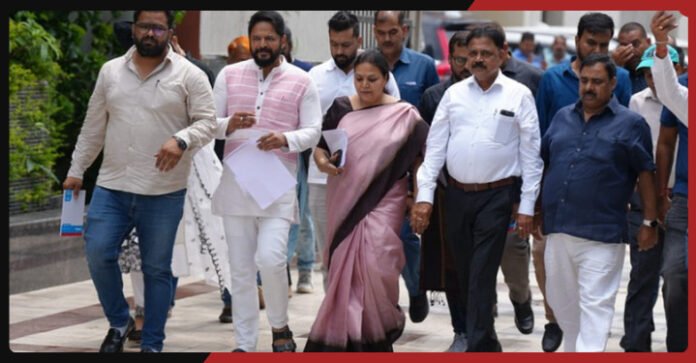

The ongoing student protest in Jharkhand remained unresolved as government representatives held discussions with another faction of protesting students, but the meeting ended without a breakthrough. The development means the agitation is set to continue, with students maintaining pressure on the state government over their demands.
The latest round of talks was seen as an attempt to find common ground between the administration and student representatives. However, differences remained on key issues, preventing the two sides from reaching an agreement. With no immediate settlement in sight, protesting students have decided to continue their movement.
The protest has attracted attention because of the concerns raised by students regarding government policies and issues connected with recruitment, examinations and opportunities for young people. Students have been demanding action from the authorities and have insisted that their concerns be addressed through concrete decisions rather than assurances.
The government, meanwhile, has been attempting to engage with different groups of protesters. The latest meeting with another faction indicates that the administration is seeking dialogue despite the continuing agitation. However, the fact that the talks ended without a solution highlights the difficulty of resolving the dispute.
Student organisations have argued that their demands are connected to the future of thousands of young people preparing for competitive examinations and government employment. They have called for greater clarity from the authorities and want commitments that can be implemented within a defined timeframe.
The continuation of the protest also puts pressure on the state government to prevent the situation from escalating. Dialogue remains an important avenue for resolving the dispute, particularly because prolonged demonstrations can affect normal activities and create uncertainty for students, commuters and the wider public.
For the protesters, however, the failure of the latest meeting has strengthened the argument that the government must provide more than verbal assurances. Student representatives have indicated that the movement will continue until their principal concerns are addressed.
The situation is therefore being closely watched as further discussions remain possible. The administration could make another attempt to bring representatives together in the coming days, while students are expected to maintain their protest.
The latest development underscores the growing tension between student groups and the government. While both sides have engaged in talks, there is still no agreement on the issues at the centre of the agitation.
For now, the Jharkhand student protest remains active. The failed talks have not ended the dispute, and the next round of negotiations could prove crucial in determining whether the government can persuade students to call off their movement or whether the agitation will enter another phase.