

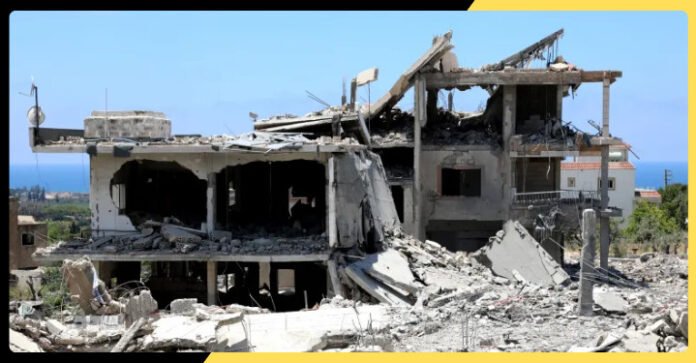

A new wave of Israeli airstrikes in Lebanon has left at least 22 people dead, intensifying fears of a broader conflict in the Middle East and casting a shadow over ongoing diplomatic efforts between the United States and Iran. The strikes, which targeted multiple locations across southern Lebanon, represent one of the most significant escalations in recent months and have drawn concern from regional and international leaders alike.
According to reports from local authorities, the attacks struck areas believed to be associated with armed groups operating near the Israel-Lebanon border. Israeli officials stated that the military action was conducted in response to security threats and aimed at preventing future attacks against Israeli territory. However, Lebanese authorities have claimed that several civilians were among those killed, raising fresh concerns about the humanitarian consequences of the conflict.
The latest violence comes at a particularly sensitive time for the region. Diplomatic channels between Washington and Tehran have been exploring opportunities to reduce tensions and address a range of security concerns. While negotiations have faced numerous obstacles, both sides had signaled a willingness to continue discussions. The outbreak of renewed hostilities now threatens to undermine those efforts and complicate an already fragile diplomatic landscape.
Lebanon has long been a focal point of regional rivalry. The country sits at the crossroads of competing political, military, and ideological interests involving Israel, Iran, and various local actors. Any major escalation along the border has the potential to draw in multiple parties and increase instability throughout the region. Analysts warn that the current situation could trigger retaliatory actions, creating a cycle of violence that becomes increasingly difficult to contain.
International reactions have been swift. Several governments have called for restraint and urged all parties to avoid actions that could lead to a wider conflict. Humanitarian organizations have also expressed concern over the impact on civilian populations, particularly in communities already struggling with economic hardship and political uncertainty. Lebanon continues to face significant financial challenges, and renewed violence risks placing additional pressure on public services and infrastructure.
For the United States, the timing of the strikes presents a diplomatic dilemma. American officials have sought to maintain strong relations with Israel while simultaneously pursuing dialogue with Iran on broader regional issues. Escalating violence may force policymakers to reassess their approach and devote greater attention to crisis management. The success of future negotiations could depend on whether regional actors are able to prevent further military confrontations.
Iran has strongly condemned the attacks, describing them as a threat to regional stability. Tehran has repeatedly emphasized its support for groups allied with its interests across the Middle East, and any increase in hostilities could influence its calculations regarding ongoing diplomatic engagement. Observers note that incidents such as these often strengthen hardline positions within governments, making compromise more difficult to achieve.
Security experts caution that the coming days will be critical. If additional strikes or retaliatory actions occur, the possibility of a broader conflict cannot be ruled out. At the same time, diplomatic efforts remain active behind the scenes, with international mediators seeking ways to reduce tensions and encourage dialogue.
The deaths of 22 people in Lebanon serve as a stark reminder of the volatility that continues to characterize the Middle East. While military operations may be justified by security concerns, their political and humanitarian consequences often extend far beyond the battlefield. As leaders weigh their next moves, the region faces a pivotal moment that could shape both immediate security conditions and the future of broader diplomatic initiatives.