

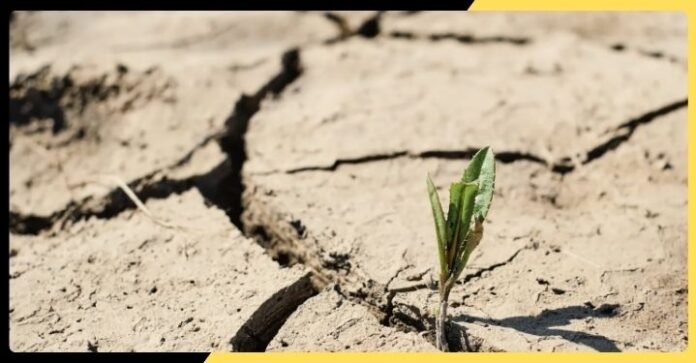

India’s agricultural sector is facing fresh uncertainty after the country recorded its driest June in more than a decade, raising concerns about crop production, rural incomes, and food prices in the months ahead. June marks the beginning of the southwest monsoon season, a period that is crucial for replenishing water resources and supporting the sowing of kharif crops such as rice, maize, soybean, cotton, and pulses. A significant shortfall in rainfall during this period has left millions of farmers anxiously waiting for better weather conditions.
The southwest monsoon is often described as the backbone of Indian agriculture because nearly half of the country’s cultivated land depends directly on rainfall rather than irrigation. When rains arrive on time and are well distributed, farmers can prepare their fields, sow seeds, and expect healthy crop growth. However, inadequate rainfall during June has disrupted these activities across several agricultural regions, forcing many farmers to delay planting or reconsider the crops they intend to cultivate.
Agricultural experts say that the timing of rainfall is just as important as the total amount received. Even if rainfall improves later in the season, delayed sowing can reduce crop yields and shorten the growing period for several important crops. Farmers who have already invested in seeds, fertilizers, and land preparation face additional financial pressure as they wait for sufficient moisture in their fields.
The rainfall deficit has also affected reservoirs, ponds, and groundwater recharge in several parts of the country. Lower water availability can limit irrigation during critical crop growth stages, increasing the risk of production losses if dry conditions continue. In regions where irrigation facilities are limited, dependence on monsoon rainfall remains particularly high, making farming communities especially vulnerable to changing weather patterns.
For small and marginal farmers, who account for a large share of India’s agricultural workforce, an erratic monsoon can have serious economic consequences. Many rely on seasonal crop income to repay loans, support household expenses, and invest in the next farming cycle. A delayed or below-average harvest could reduce earnings and increase financial stress in rural areas.
The impact extends beyond agriculture. Reduced crop production may eventually affect food supplies, putting upward pressure on the prices of cereals, vegetables, pulses, and edible oils. Rising food inflation can influence household budgets and pose challenges for policymakers seeking to maintain price stability while supporting economic growth.
Government agencies are closely monitoring rainfall patterns and crop sowing progress. Agricultural departments have advised farmers to adopt contingency plans where necessary, including switching to drought-tolerant crop varieties, adjusting sowing schedules, and making efficient use of available water resources. Scientists are also encouraging improved soil moisture conservation techniques, including mulching and rainwater harvesting, to reduce the impact of dry spells.
Climate experts note that weather variability has become more pronounced in recent years. Instead of consistent rainfall spread evenly throughout the season, many regions are experiencing long dry periods interrupted by episodes of intense rainfall. Such uneven distribution makes farming more difficult because crops require moisture at specific stages of growth rather than receiving large amounts of rain over a short period.
Despite the current challenges, there is cautious optimism that improved rainfall during the remaining monsoon months could partially offset the early deficit. Much will depend on how consistently the monsoon performs through July, August, and September. Timely rainfall during these months could help revive sowing activity, improve soil moisture, and support crop development in many regions.
For now, however, uncertainty remains the defining feature of India’s agricultural landscape. Farmers across the country continue to watch the skies with hope, knowing that the coming weeks will play a decisive role in determining the success of this year’s kharif season. The performance of the monsoon will not only shape farm incomes but also influence food security, rural employment, and the broader economy in the months ahead.