

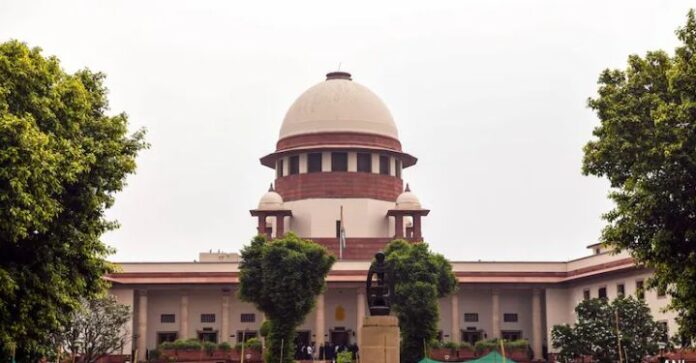

In a dramatic political move, Asaduddin Owaisi, the prominent leader of the All India Majlis-e-Ittehad-ul-Muslimeen (AIMIM), has approached the Supreme Court of India to challenge the newly proposed Waqf Bill. Owaisi, who has been vocal in his opposition to several policies of the Indian government, has now turned his attention to the Waqf Bill, arguing that it undermines the rights of Muslims and the autonomy of the Waqf properties.
The Waqf Bill, which has been a subject of significant debate in the Indian Parliament, is designed to streamline the management and regulation of Waqf properties. These properties, which include land and buildings held by the Waqf Board, are intended for religious or charitable purposes, primarily benefitting the Muslim community. The Bill proposes an overhaul of the Waqf Act, 1995, with a focus on improving accountability and transparency in the administration of these properties.
However, critics, including Owaisi, argue that the Bill, if passed, would give the central government more control over the management of Waqf properties, thereby compromising the autonomy of Muslim religious institutions. Owaisi has expressed concerns that the Bill would allow the government to interfere in the functioning of Waqf Boards and reduce the power of Muslim communities to manage their own religious affairs.
In his petition to the Supreme Court, Owaisi has sought a stay on the implementation of the Bill, claiming that it is unconstitutional and violates the rights of Muslims guaranteed under the Indian Constitution. His legal team has argued that the Bill gives undue powers to the government, infringing on the religious freedoms of the Muslim community and interfering with the management of their properties.
The government, on the other hand, has defended the Waqf Bill as a necessary step towards better governance and accountability in the management of Waqf assets. The Bill’s proponents argue that the existing system is riddled with corruption and mismanagement, which has led to the underutilization of Waqf properties.
As the case moves through the judicial system, it is likely to spark a wider debate on the role of religion in Indian politics, the autonomy of religious institutions, and the balance of power between the government and religious communities.