

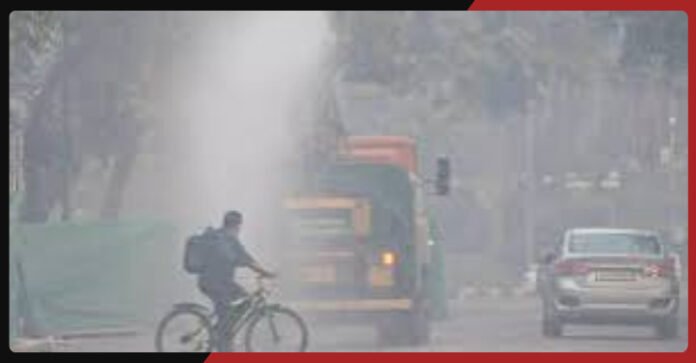

Delhi is preparing for the winter pollution season with a new set of measures aimed at reducing emissions from vehicles, construction activities and daily commuting. The Delhi government has announced a series of restrictions that will be implemented in phases from November, with some measures continuing into January and February.
One of the most significant decisions is the doubling of parking charges at authorised parking facilities from November 1, 2026, to February 28, 2027. The government has said the move is intended to discourage private vehicle use during the winter pollution period. Parking facilities owned and managed by the Delhi Metro Rail Corporation will remain outside this revised parking arrangement.
The government has also announced staggered office timings. Municipal Corporation of Delhi offices will operate from 8:30 am to 5 pm, while offices under the Government of the National Capital Territory of Delhi will operate from 10 am to 6:30 pm. The objective is to spread traffic movement across different hours and reduce congestion during peak periods.
Another major component is a 50% work-from-home arrangement. Government and private establishments will be required to limit physical attendance, with half of employees working remotely and the remaining half attending offices. The measure is scheduled to operate during the winter pollution period, although essential services such as hospitals, public transport, power, water supply and sanitation are exempt from the arrangement.
Construction and demolition activities will face progressively stricter restrictions. From November 1 to January 31, dust-generating demolition and outdoor civil construction activities will be prohibited, subject to exemptions for essential public infrastructure. A complete construction and demolition ban is scheduled from December 10 to January 20, with urgent government and emergency works receiving exemptions.
The plan also addresses construction-material transportation. Vehicles carrying materials such as sand, bricks, cement and debris will face restrictions on entering Delhi during the relevant periods, with exemptions for certain nationally important, essential or emergency projects.
The winter framework is broader than construction and workplace rules. Delhi has also announced restrictions on certain vehicles registered outside the capital. From November 1 to January 31, non-Delhi vehicles below BS-VI emission standards will be prohibited from entering Delhi, with exemptions including electric and CNG vehicles and emergency services.
Authorities will additionally strengthen enforcement of Pollution Under Control Certificate requirements. Fuel stations are expected to play a role in ensuring vehicles have valid pollution certificates before fuel is supplied. A wider enforcement campaign against end-of-life vehicles and vehicles without valid certificates is also planned.
The government has presented the measures as part of a year-round approach to pollution management, while the specific winter framework is designed to operate annually between November 1 and February 28.