

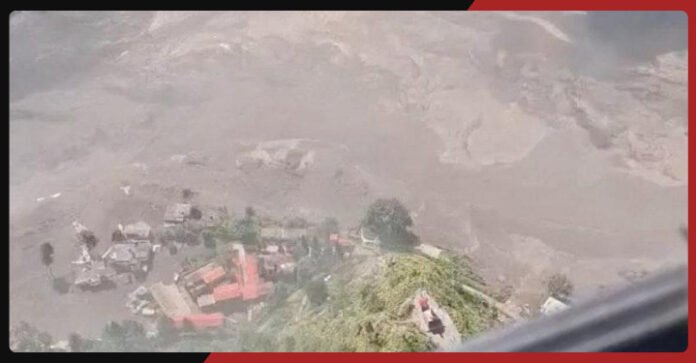

A devastating flash flood struck Nepal’s northern Rasuwa district on Wednesday, August 26, leaving a trail of destruction and triggering a large-scale rescue operation. The sudden flooding affected communities close to the Nepal-China border and swept away homes, roads, bridges and other infrastructure. Several people have been confirmed dead, while hundreds are feared missing as authorities struggle to reach areas cut off by floodwaters and debris.
The disaster has also raised serious concern in India because a large number of Indian nationals were reportedly travelling through the affected region. Initial estimates indicated that around 384 people were missing, including 105 Indians, although authorities have cautioned that the numbers may change as information from remote locations becomes available. Many of those affected were tourists and pilgrims travelling towards Tibet and the Mount Kailash region.
The flooding was reported along the Bhotekoshi and Lhende Khola river systems in the Himalayan region. Officials and experts were examining whether an earthquake-triggered ice-rock avalanche contributed to the sudden surge of water. The disaster unfolded with extraordinary speed, leaving residents and travellers little time to escape.
Videos and photographs emerging from the region showed floodwaters carrying mud, rocks and debris through settlements. Bridges were destroyed, roads disappeared beneath floodwater and vehicles were swept away. Several villages suffered major damage, while hydropower infrastructure was also affected.
Nepalese security forces, police and rescue teams were deployed to search for survivors. However, rescue operations have been complicated by the mountainous terrain, damaged roads and continuing risks from unstable slopes and blocked waterways. Authorities have also warned people living downstream along the Trishuli River to move towards safer locations as floodwaters continue to travel downstream.
India has moved quickly to offer assistance to Nepal. Prime Minister Narendra Modi spoke with Nepal Prime Minister Balendra Shah and conveyed condolences over the loss of lives. Modi assured Nepal of India’s willingness to provide humanitarian and relief assistance during the emergency.
India is preparing to send emergency relief materials to Nepal, with reports indicating that supplies such as medicines and essential rations are being arranged. The Indian Air Force has also been kept ready to assist if required. The Indian Embassy in Nepal has issued emergency contact arrangements as authorities attempt to establish the whereabouts of Indian citizens reported missing.
The disaster has once again highlighted the vulnerability of the Himalayan region to sudden floods, landslides and other natural hazards. The combination of steep mountain terrain, unstable slopes, extreme weather and rapidly changing river conditions can make rescue operations extremely difficult.
For Nepal, the immediate priority remains saving lives, locating missing people and restoring access to affected communities. For India, the focus is on supporting Nepal while also identifying and assisting Indian nationals caught in the disaster.
As rescue operations continue, officials expect the casualty and missing-person figures to change. The situation remains fluid, with authorities urging residents and travellers in vulnerable areas to follow evacuation instructions and avoid riverbanks and damaged roads.