

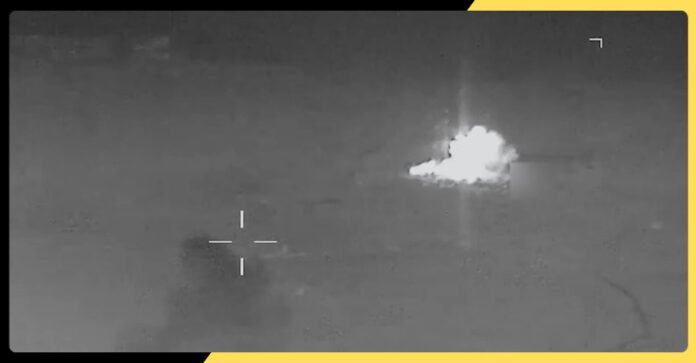

The Middle East remains on edge following recent U.S. airstrikes targeting Iranian military-linked facilities, a development that has significantly increased regional tensions and raised concerns about possible retaliation. Bahrain and Kuwait, both key U.S. allies in the Gulf and hosts to important American military installations, have heightened their security measures amid fears that they could become targets if the confrontation between Washington and Tehran escalates further.
Government officials in both countries have assured citizens and expatriate residents that security forces are fully prepared to respond to any potential threats. While there have been no confirmed missile attacks on Bahrain or Kuwait, authorities are closely monitoring intelligence reports and coordinating with allied nations to ensure the safety of critical infrastructure, military bases, airports, seaports, and energy facilities.
The latest crisis began after the United States launched precision airstrikes against what it described as Iranian military sites linked to strategic operations. U.S. officials stated that the action was intended to weaken capabilities considered a threat to regional stability and to protect American personnel stationed across the Middle East. Iran strongly condemned the strikes, calling them a violation of its sovereignty and warning that it reserved the right to respond at a time and place of its choosing.
The possibility of retaliation has placed Gulf nations on alert. Bahrain hosts the headquarters of the U.S. Navy’s Fifth Fleet, making it one of the most strategically important American military locations in the region. Kuwait also serves as a vital logistics and operational hub for U.S. forces. Because of these military ties, security analysts believe both countries could face increased risks if the conflict widens.
In response, Bahrain has increased security patrols around government buildings, military facilities, oil installations, and major public venues. Authorities have also strengthened surveillance systems and enhanced coordination between defense forces and emergency response agencies. Officials have urged residents to remain calm, avoid spreading rumors, and rely only on verified information released through official government channels.
Kuwait has adopted similar precautionary measures. The government has reviewed emergency preparedness plans, reinforced security around strategic sites, and increased cooperation among military, police, and civil defense authorities. Officials emphasized that these steps are preventive and do not indicate that an attack is imminent.
Regional security experts note that the Gulf has invested heavily in missile defense technology over the past two decades. Advanced radar systems, air-defense missiles, and intelligence-sharing agreements with international partners provide an important layer of protection. However, experts also caution that modern conflicts increasingly involve drones, cruise missiles, and cyberattacks, making comprehensive preparedness essential.
The escalation has also affected global financial markets. Oil prices rose amid concerns that further instability could disrupt supplies from the Gulf, a region responsible for a significant share of the world’s energy exports. Investors remain particularly focused on the Strait of Hormuz, a critical maritime route through which millions of barrels of oil pass every day. Any disruption in this waterway could have immediate consequences for global energy prices and international trade.
International leaders have called for restraint from all sides. Several governments urged diplomatic dialogue to prevent further escalation, while global organizations warned that continued military exchanges could increase the risk of a broader regional conflict. Analysts believe that diplomatic engagement remains the most effective path to reducing tensions and avoiding additional violence.
Despite heightened security, daily life in Bahrain and Kuwait continues largely as normal. Schools remain open, businesses are operating, and transportation services continue without major disruptions. Authorities have encouraged the public to stay informed through official announcements while avoiding speculation circulating on social media.
Military experts say the coming days will be critical. If Iran chooses a measured diplomatic response, tensions could gradually ease. However, any direct military retaliation against U.S. interests or allied nations could trigger a wider confrontation with consequences extending beyond the Gulf.
For Bahrain and Kuwait, the current situation highlights the challenges of maintaining strong security partnerships while living in a region marked by geopolitical rivalry. Both governments have repeatedly emphasized their commitment to regional stability, peaceful dialogue, and the protection of their citizens and residents.
As the international community watches closely, Gulf nations continue balancing heightened military readiness with efforts to preserve calm at home. Whether the crisis deepens or moves toward diplomacy will depend on decisions made in the days ahead, making this one of the most closely watched developments in the Middle East.