

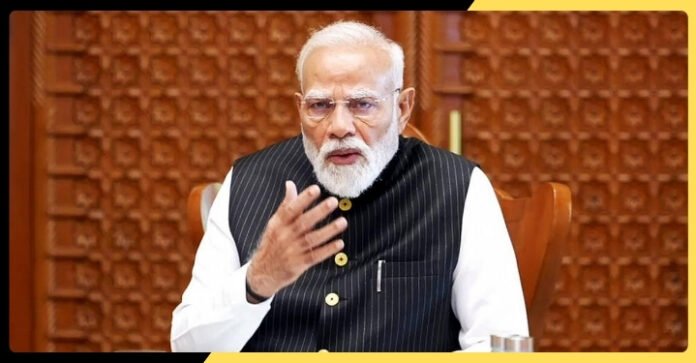

Prime Minister Narendra Modi has described the ongoing conflict involving Iran as a “worrisome” situation, underlining India’s deep concern over its potential economic and strategic consequences. Addressing Parliament, he made it clear that India’s position remains firmly rooted in diplomacy, restraint, and dialogue, even as global tensions escalate.
At the heart of India’s concern lies the strategic Strait of Hormuz—a narrow but crucial maritime corridor through which a significant portion of the world’s oil supply flows. For India, the stakes are particularly high, as nearly 40% of its crude oil imports pass through this route.
Modi warned that any disruption in this passage could have cascading effects on India’s economy. Rising oil prices, supply chain disruptions, and increased transportation costs could trigger inflation and impact key sectors such as agriculture, manufacturing, and energy. The Prime Minister emphasized that while India has sufficient fuel reserves for now, prolonged instability could test the resilience of the country’s economic framework.
Despite the uncertainty, Modi sought to reassure citizens that India is prepared. The government has built strategic petroleum reserves and is actively diversifying energy sources to reduce dependence on any single region. He also highlighted that India has secured adequate supplies of coal and fertilizers, ensuring that essential sectors remain insulated from immediate shocks.
Beyond economics, Modi also stressed the human dimension of the crisis. With millions of Indians living and working in West Asia, their safety remains a top priority. The government is closely monitoring developments and is ready to take necessary steps to ensure their security and well-being.
India’s diplomatic stance has been carefully calibrated. Maintaining strong ties with both Iran and Western nations, New Delhi has positioned itself as a voice of balance. Modi reiterated that escalation benefits no one and urged all parties involved to return to the path of dialogue and peaceful resolution.
The Prime Minister also cautioned against misinformation and panic, urging citizens to rely on verified information. He emphasized that India’s fundamentals remain strong and that the country is capable of navigating global uncertainties, much like it did during previous crises.
As the conflict continues to unfold, India’s approach reflects a blend of caution, preparedness, and diplomatic neutrality. The situation, however, remains fluid, and the coming weeks will be critical in determining whether tensions ease or escalate further.