

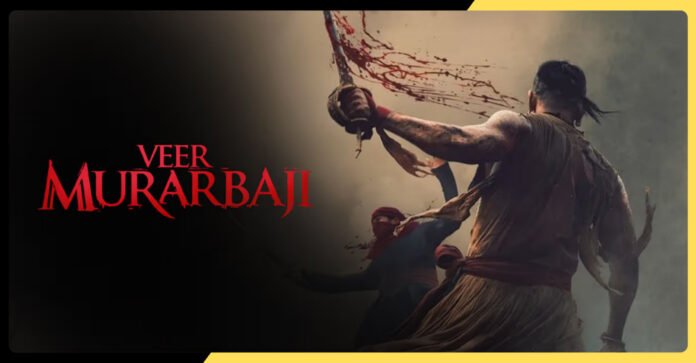

Historical epics often focus on kings and emperors, but Veer Murarbaji: The Battle of Purandar takes a refreshing and meaningful turn by honoring a fearless commander whose sacrifice shaped Maratha history. Directed by Ajay–Anirudh, the film brings to life the story of Murarbaji Deshpande, a loyal general in the army of Chhatrapati Shivaji Maharaj. With Ankit Mohan in the lead role and Sourabh Raaj Jain portraying Shivaji Maharaj, the film blends action, emotion, and patriotism into an engaging cinematic experience.
A Story Rooted in Courage
The film centers on the historic Battle of Purandar, one of the most significant confrontations between the Maratha forces and the Mughal army in the 17th century. Rather than merely recounting events, the narrative humanizes Murarbaji, portraying him as a warrior bound by loyalty, duty, and an unshakeable belief in Swarajya (self-rule).
From the opening scenes, the film establishes the tense political climate of the era. The looming threat of the Mughal invasion creates a constant undercurrent of urgency. As the siege intensifies, Murarbaji emerges not only as a fierce fighter but also as a compassionate leader who deeply cares for his fellow soldiers. This emotional layering prevents the film from becoming a simple war chronicle; instead, it transforms into a story about responsibility and sacrifice.
Ankit Mohan’s Commanding Performance
Ankit Mohan delivers a strong and convincing performance in the titular role. His physical transformation and commanding screen presence suit the character of a battlefield leader. In combat sequences, he exudes intensity and strength, while in quieter moments, he conveys the emotional weight of leadership.
His portrayal avoids over-dramatization, opting instead for restrained expressions that make Murarbaji feel real and relatable. The internal struggle between strategic caution and fearless resistance is subtly reflected in his performance, adding depth to the character.
Sourabh Raaj Jain as Shivaji Maharaj
Sourabh Raaj Jain brings dignity and calm authority to his portrayal of Shivaji Maharaj. Rather than dominating the narrative, his character serves as a guiding force — a king who trusts and respects his commanders. The scenes between Shivaji and Murarbaji are among the film’s strongest, highlighting mutual trust and shared vision.
Their interactions reinforce the emotional foundation of the story. It is clear that Murarbaji’s bravery is fueled not just by personal valor but by unwavering devotion to his king and homeland.
Direction and Visual Presentation
Directors Ajay–Anirudh handle the historical material with sincerity. The production design captures the rugged beauty of forts and battlefields, immersing viewers in the era. The fort sequences feel authentic, and the use of natural lighting in several scenes enhances the realism.
The battle choreography deserves special mention. Instead of overly stylized combat, the action sequences feel grounded and intense. The chaos of war is portrayed convincingly, with handheld camera work and tight editing amplifying the tension.
Costumes and props appear thoughtfully researched, contributing to the period atmosphere. The filmmakers clearly aimed for authenticity rather than spectacle alone.
Music and Emotional Undertones
The background score complements the narrative effectively. During battle scenes, the music heightens urgency without overpowering the visuals. In emotional moments, softer melodies underscore themes of sacrifice and loyalty.
The soundtrack reinforces the patriotic tone without becoming overly dramatic. It supports the story rather than overshadowing it, allowing performances to remain central.
Themes of Loyalty and Sacrifice
At its heart, Veer Murarbaji is about unwavering commitment. The film emphasizes that true heroism lies not in seeking glory but in standing firm when defeat seems inevitable. Murarbaji’s final stand becomes a powerful symbol of resistance and honor.
The camaraderie among soldiers is another highlight. Their shared determination adds emotional resonance, reminding viewers that history is shaped not only by leaders but also by countless unnamed warriors.
Importantly, the film avoids portraying its hero as invincible. Murarbaji is brave but human — capable of fear, reflection, and doubt. This vulnerability makes his courage all the more inspiring.
Strengths and Minor Shortcomings
The film’s strengths lie in its performances, sincerity, and emotional depth. The focus on character-driven storytelling ensures that viewers connect with the narrative beyond its historical setting.
However, some pacing issues may arise in the middle portions, where political discussions slightly slow the momentum. A tighter edit could have enhanced the film’s rhythm. Nevertheless, the climactic battle sequence compensates for these minor drawbacks with gripping intensity.
Final Verdict
Veer Murarbaji: The Battle of Purandar stands as a heartfelt tribute to a warrior whose bravery continues to inspire generations. Anchored by Ankit Mohan’s compelling performance and supported by a capable ensemble cast, the film succeeds in blending historical drama with emotional storytelling.
More than just a war film, it is a celebration of loyalty, courage, and sacrifice. By shining a light on Murarbaji Deshpande’s legacy, the movie ensures that his story resonates with modern audiences.
Rating: 4 out of 5 stars