

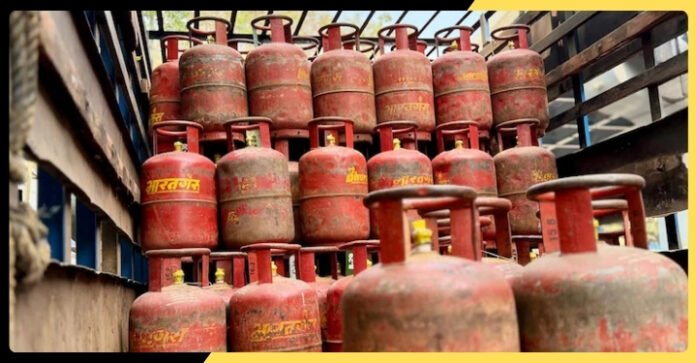

The government has introduced a new rule asking households with piped natural gas (PNG) connections to voluntarily surrender their liquefied petroleum gas (LPG) cylinders. The move is aimed at improving the availability and distribution of LPG cylinders, particularly for households that still depend entirely on them for cooking.
Officials say the decision comes as part of broader efforts to streamline domestic fuel usage and ensure that resources reach those who need them most. With the expansion of city gas distribution networks across many urban areas, a growing number of households now have access to PNG connections. Despite this, many continue to retain their LPG cylinders as backup.
According to government sources, the policy encourages consumers who have reliable PNG connections to give up their LPG connections. This would help redistribute LPG cylinders to rural and semi-urban households where piped gas infrastructure is not yet available.
Authorities believe that freeing up LPG cylinders in urban regions could significantly benefit households in remote areas. Many rural families rely solely on LPG for cooking and often face supply delays or limited access to new connections.
The initiative also aligns with the government’s broader energy transition strategy. PNG is considered a cleaner and more efficient fuel compared to LPG. By promoting greater adoption of piped gas where infrastructure exists, policymakers hope to reduce logistical challenges associated with transporting and refilling LPG cylinders.
Gas distribution companies have been instructed to inform consumers about the option to surrender their LPG connections if they are no longer needed. However, officials clarified that the move is largely advisory at this stage, and consumers will not be forced to immediately discontinue their LPG service.
Industry experts say the policy could help optimize supply chains and reduce operational costs. Transporting LPG cylinders involves significant infrastructure, including bottling plants, storage facilities, and delivery networks. In contrast, PNG is delivered directly through pipelines, reducing the need for physical distribution.
At the same time, some consumers have raised concerns about surrendering LPG cylinders due to reliability issues with piped gas supply in certain areas. Many households prefer keeping LPG as a backup option in case of maintenance work, pipeline disruptions, or pressure fluctuations.
Consumer groups have urged the government to ensure consistent PNG supply before encouraging households to give up LPG connections entirely. They argue that reliable infrastructure will be key to the success of the policy.
Officials have indicated that public awareness campaigns may be launched to educate consumers about the benefits of switching fully to piped gas. These campaigns could highlight safety advantages, environmental benefits, and convenience compared to traditional LPG cylinders.
As city gas networks continue to expand across India, policymakers believe such measures will help ensure a balanced and efficient distribution of domestic cooking fuel nationwide.