

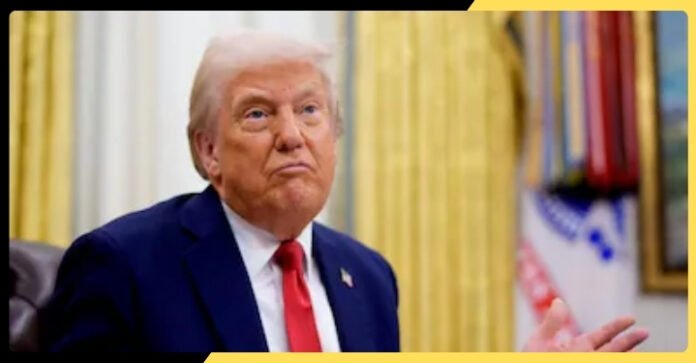

In a sweeping move that could reshape global trade flows, former President Donald Trump signed an executive order imposing a 10% tariff on imports from all countries, just hours after a Supreme Court ruling cleared the legal path for expanded executive authority over trade measures. The decision marks a dramatic escalation in Trump’s longstanding push to prioritize domestic manufacturing and rebalance what he has frequently described as unfair trade relationships.
The executive order establishes a baseline 10% tariff on a wide range of imported goods, spanning consumer electronics, machinery, textiles, and certain agricultural products. Administration officials described the measure as a “universal protective tariff,” arguing it will incentivize companies to relocate production to the United States and reduce reliance on foreign supply chains.
The Supreme Court ruling at the center of the development affirmed the executive branch’s authority to invoke emergency economic powers in setting broad trade restrictions. While the Court did not rule directly on the merits of the tariff policy itself, its decision effectively removed a major legal obstacle that critics had hoped would stall or block the plan.
Supporters of the tariff order argue that the measure will level the playing field for American workers and industries that have struggled to compete with lower-cost imports. They point to persistent trade deficits and supply chain vulnerabilities exposed during recent global disruptions as evidence that a structural shift is necessary. Manufacturing groups aligned with Trump praised the order, saying it sends a clear signal that the United States intends to reclaim industrial capacity.
However, economists and trade analysts warn the tariffs could increase costs for consumers and businesses alike. A 10% blanket tariff would likely raise prices on imported goods, potentially contributing to inflationary pressures. Retail associations and multinational corporations expressed concern that the sudden implementation could disrupt supply chains and lead to retaliatory measures from key trading partners.
International reaction was swift. Several foreign governments indicated they are reviewing the order and considering their response. Trade officials in Europe and Asia signaled that reciprocal tariffs could be on the table if negotiations fail to produce exemptions or adjustments.
Financial markets reacted with volatility following the announcement. Shares of domestic steel and manufacturing firms rose, while major retailers and technology companies reliant on global supply networks saw declines. Analysts suggest investors are bracing for prolonged trade tensions and uncertainty over future policy shifts.
Political reaction in Washington was sharply divided. Allies hailed the move as decisive leadership aimed at restoring economic sovereignty. Critics described it as economically risky and diplomatically isolating, warning it could strain alliances and trigger trade disputes.
As the order takes effect, attention now turns to implementation details, including potential carve-outs, enforcement mechanisms, and negotiations with trading partners. Whether the tariffs deliver the promised revival of domestic industry—or ignite a broader trade conflict—will likely shape the economic landscape for years to come.