

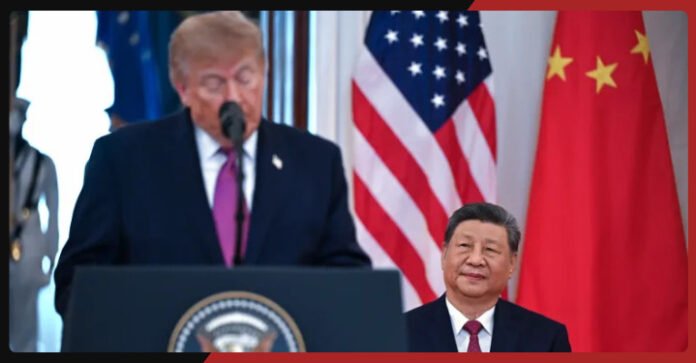

The September 24, 2026 meeting between United States President Donald Trump and Chinese President Xi Jinping in Washington marked an important moment in relations between the world’s two largest economies. Xi’s visit, his first trip to Washington in more than a decade, came at a time when Washington and Beijing continue to compete over trade, technology, artificial intelligence, Taiwan and broader geopolitical influence. Yet the tone surrounding the meeting was notably focused on dialogue and stability rather than confrontation.
Trump described the meeting positively and highlighted the relationship he has developed with Xi over the years. Xi, meanwhile, emphasised the importance of cooperation and the need for the United States and China to manage their differences. The diplomatic messaging from both sides suggested that neither government wanted the summit to become a new source of escalation.
The importance of the meeting was also reflected in the unusually elaborate welcome given to Xi. Trump personally met the Chinese president when he arrived at Joint Base Andrews, an uncommon diplomatic gesture. The visit then continued with a formal White House ceremony, military honours and a state dinner. The symbolism was significant because the relationship between Washington and Beijing had experienced a sharp deterioration during the previous period of tariff battles and technology restrictions.
The two governments now appear to be trying to establish a more predictable framework for managing competition. That does not mean the fundamental disagreements have disappeared. Instead, the summit demonstrated an effort to separate areas where cooperation may be possible from disputes where neither side is ready to compromise.
Trade was one of the clearest examples. The existing US-China trade truce was extended from November into January, giving negotiators additional time. Rather than resolving every disagreement immediately, the extension effectively created more room for further talks. Reuters reported that issues such as tariffs, Chinese purchases, rare-earth supplies and technology restrictions remained part of the broader negotiating landscape.
The summit also showed how personal diplomacy continues to play a role in the relationship. Trump and Xi have met several times during the current period, and both leaders have publicly emphasised the importance of their personal relationship. At the same time, the countries remain competitors with very different political systems and strategic interests.
This combination of personal diplomacy and institutional rivalry defines the current US-China relationship. Washington wants to protect its technological and economic interests while maintaining pressure in sensitive areas. Beijing wants economic stability and greater international room to pursue its interests without facing excessive US restrictions.
The Washington meeting therefore should not be understood simply as a complete reset. Instead, it represents an attempt to prevent competition from becoming uncontrolled confrontation.
The significance of the summit extends beyond the two leaders themselves. US-China relations influence global trade, technology supply chains, financial markets, energy security and international diplomacy. When Washington and Beijing cooperate, even temporarily, other countries gain greater predictability. When tensions rise, the consequences can spread quickly across the global economy.
The September meeting therefore demonstrated a central reality of the modern international system: the United States and China can remain strategic competitors while simultaneously needing mechanisms for communication and cooperation.