

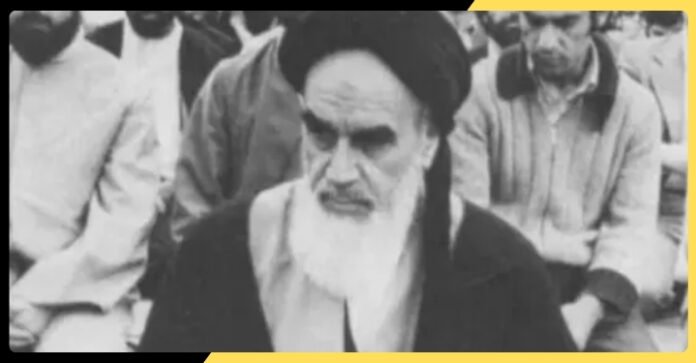

The death of Ayatollah Ali Khamenei marks a watershed moment in West Asian geopolitics, triggering not only a power transition within Iran but also recalibrations among countries with deep strategic interests in Tehran — including India. For New Delhi, the stakes are substantial: energy security, regional connectivity, and diplomatic balance all intersect in its long-standing engagement with the Islamic Republic.
India and Iran share civilizational links dating back centuries, but their modern partnership has largely been defined by pragmatism. Iran has served as a key energy supplier, particularly before U.S. sanctions significantly curtailed oil imports. Even during periods of international pressure, India sought waivers and maintained dialogue, underscoring the importance it attaches to the relationship.
Central to this engagement is the Chabahar Port project. Developed with Indian investment, the port offers New Delhi direct access to Afghanistan and Central Asia, bypassing Pakistan. The corridor is not merely a trade route; it represents India’s broader ambition to expand its strategic footprint in Eurasia. Any instability in Iran’s political structure could slow decision-making processes, delay infrastructure expansion, or shift foreign policy priorities in ways that complicate India’s plans.
Khamenei’s passing comes amid heightened regional tensions involving the United States and Israel. While India maintains strong ties with both Washington and Tel Aviv, it has traditionally avoided overt alignment in Middle Eastern rivalries. This balancing act — sometimes described as “multi-alignment” — will now face renewed testing. A more hardline or alternatively more conciliatory Iranian leadership could alter the regional chessboard, requiring nimble diplomacy from New Delhi.
Domestically, the Iranian constitutional mechanism for succession will determine the next Supreme Leader. Yet the transition period itself is crucial. Markets respond to uncertainty, and global energy prices could fluctuate sharply if instability deepens. For India, one of the world’s largest energy importers, volatility in oil markets has direct implications for inflation, fiscal planning, and growth projections.
Beyond economics, security considerations loom large. Iran plays a significant role in regional politics stretching from the Persian Gulf to the Levant. Any policy shift in Tehran could influence maritime security in the Strait of Hormuz — a chokepoint vital for global energy shipments, including those destined for Indian refineries.
In navigating this moment, India is likely to emphasize continuity: support for stability, respect for sovereignty, and sustained engagement. Rather than framing the situation in ideological terms, New Delhi’s response will be shaped by national interest calculations. The coming months will reveal whether Iran’s new leadership sustains the strategic understandings built over decades — or redefines them in ways that compel India to rethink elements of its West Asia strategy.