


Delhi’s electoral system is facing fresh scrutiny after reports revealed that nearly 11 lakh voters had their names deleted from the electoral rolls between January 2025 and June 2026, before the Special Intensive Revision, or SIR, exercise formally began. The scale of these deletions has raised important questions about how electoral rolls are updated and whether affected citizens were adequately informed before their names disappeared from the records.
According to election-related data cited in recent reports, the deletions occurred during the approximately 16-month period between the freezing of electoral rolls for the February 2025 Delhi Assembly elections and the freezing of the rolls before the SIR exercise began on June 30, 2026. The number represents a significant share of Delhi’s electorate and has become particularly controversial because several voters reportedly remained unaware that their names had already been removed.
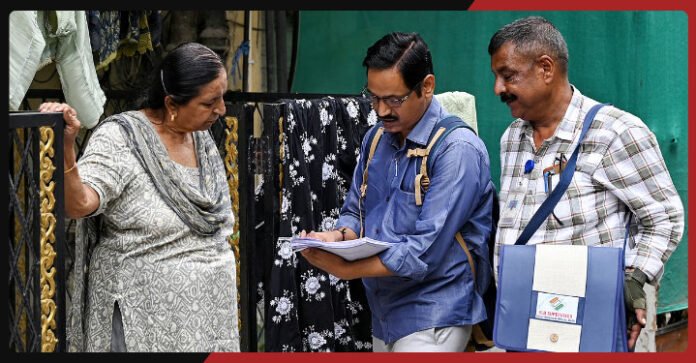
The problem came to light for many citizens only when they attempted to participate in the Special Intensive Revision process. Under the SIR exercise, Booth Level Officers conducted enumeration and distributed forms to voters whose names existed in the electoral database. However, people whose names had already been removed before the exercise reportedly faced an additional difficulty: their Enumeration Forms were not automatically generated.
This meant that some citizens were effectively outside the normal SIR workflow before the exercise had even begun. Reports said that partially completed forms were not generated for such voters and did not reach the relevant Booth Level Officers, creating further obstacles for people trying to restore their names.
The issue is particularly significant because inclusion in the electoral roll is essential for exercising the constitutional right to vote. While routine revision of voter lists is necessary to remove duplicate, deceased, shifted or otherwise ineligible entries, the process must also ensure that eligible voters are not mistakenly excluded.
The Election Commission has consistently maintained that electoral-roll revision exercises are intended to make voter lists accurate, updated and free from duplicate or ineligible entries while protecting the participation of eligible voters.
However, reports of voters discovering their deletion only during the SIR process have triggered concerns about communication and verification mechanisms. If an eligible voter is removed without realizing it, that person may lose valuable time and face administrative difficulties in getting re-enrolled.
The controversy has become even more politically significant because Delhi’s SIR draft electoral roll itself showed a much larger reduction in the number of names. The draft list released recently contained approximately 97.53 lakh electors compared with around 1.45 crore voters before the SIR exercise, with millions of names excluded from the draft for reasons including absence, shifting, death and duplicate registration.
The nearly 11 lakh deletions before SIR therefore represent a separate and important chapter in Delhi’s electoral-roll story.
For election authorities, the challenge now is to demonstrate that every deletion followed due process. For voters, the most important lesson is to regularly check their electoral status rather than assuming that a previously registered name will automatically remain on the rolls.
As Delhi moves toward the finalisation of revised electoral lists, transparency, communication and quick correction mechanisms will remain essential. The controversy surrounding the nearly 11 lakh deleted names has highlighted one simple but powerful question: How can democracy ensure that every eligible voter knows whether their name is still on the list?