

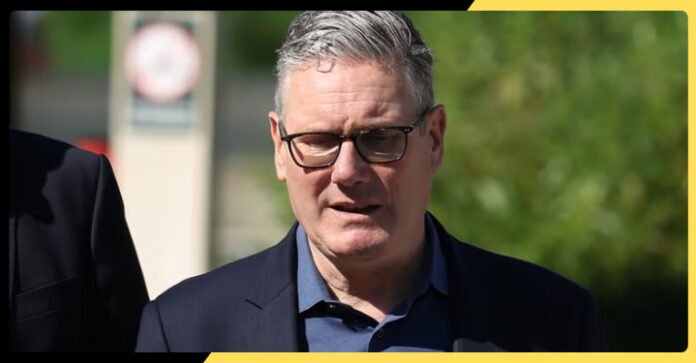

The resignation of Prime Minister Keir Starmer marks a dramatic turning point in British politics. After months of growing internal tensions, the Labour leader reportedly bowed to increasing pressure from within his own party, bringing an abrupt end to his tenure at Downing Street.
Starmer’s departure follows a period of intense scrutiny over government policies, electoral performance, and party management. While Labour entered government with promises of stability and reform, disagreements over economic priorities, public spending, and leadership style gradually widened divisions among party members. Senior Labour figures reportedly expressed concerns that the government was struggling to maintain public confidence while addressing key national challenges.
The pressure intensified after a series of disappointing opinion polls and criticism from both grassroots activists and parliamentary colleagues. Several MPs called for a change in direction, arguing that the party risked losing momentum if internal concerns were not addressed. Although Starmer initially resisted calls to step aside, sources suggested that discussions behind closed doors increasingly focused on leadership succession.
In his resignation statement, Starmer emphasized his commitment to the Labour movement and stated that his decision was made in the party’s best interests. He highlighted achievements made during his time in office, including efforts to strengthen public services, support economic growth, and restore trust in government institutions.
Political analysts note that leadership challenges are not uncommon in British politics, particularly when governing parties face internal divisions. However, the resignation of a sitting prime minister remains a significant event with far-reaching implications. Attention is now turning to the process of selecting a new Labour leader capable of uniting different factions within the party.
Opposition parties have responded by questioning Labour’s ability to provide stable leadership. Critics argue that the leadership crisis exposes deeper problems within the governing party, while Labour supporters contend that a leadership transition could offer an opportunity for renewal.
Financial markets and international observers are also monitoring developments closely. Political uncertainty often raises questions about future policy direction, especially regarding taxation, investment, and public spending commitments. Business leaders are expected to seek assurances that government priorities will remain consistent during the transition period.
The coming weeks are likely to be crucial for Labour. Party members, MPs, and trade union representatives will play a significant role in determining who emerges as the next leader. The contest could shape not only the future of Labour but also the broader political landscape of the United Kingdom.
For now, Starmer’s resignation represents the end of one chapter and the beginning of another. Whether Labour emerges stronger from the transition will depend largely on its ability to resolve internal disagreements and present a clear vision for the country’s future.