

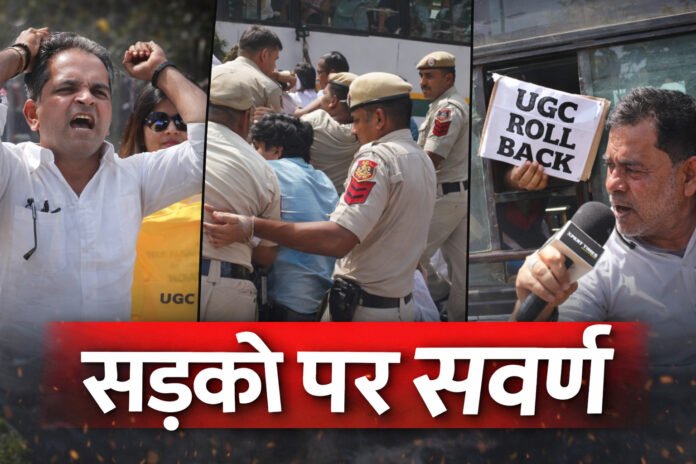

Delhi’s Ramleela Maidan became a focal point of debate over higher education policies as protesters gathered to demand a rollback of recent decisions linked to the University Grants Commission (UGC). The demonstration featured a mix of students, teachers, and activists who came together to express their concerns about the direction of educational reforms.
From early morning, groups began assembling at the historic protest ground carrying banners and placards. The slogans echoed across the venue, calling for greater transparency and reconsideration of the UGC’s decisions. The protest highlighted a growing divide between policymakers and sections of the academic community.
One of the key features of the gathering was the diversity of voices present. Students from various universities shared personal experiences about how policy changes could affect their academic journeys. Many expressed fears that the reforms might create uncertainty in areas such as admissions, faculty recruitment, and research opportunities.
For several participants, the protest was not only about policy but about participation in decision-making. They argued that reforms impacting millions of students should involve broader consultation with universities and academic experts. According to protesters, inclusive discussions could help ensure that changes strengthen rather than weaken the education system.
Teachers and researchers also addressed the crowd, highlighting the importance of academic independence. They stressed that universities should maintain the freedom to shape curricula, research priorities, and hiring practices without excessive external control. Some speakers warned that undermining these principles could have long-term consequences for innovation and intellectual development.
The atmosphere at Ramleela Maidan was energetic yet disciplined. Protesters engaged in speeches, discussions, and interviews with media outlets, explaining the reasons behind their demands. Many participants emphasized that their goal was constructive dialogue rather than confrontation.
The demonstration also sparked conversations online and across campuses nationwide. Student organizations and academic groups used social media to amplify the issues raised at the rally, drawing attention to concerns about the future of higher education.
Historically, Ramleela Maidan has served as a significant site for public movements and democratic expression in India. The gathering of students and educators at this venue added to that legacy, reinforcing the role of peaceful protest in shaping public discourse.
While the government and UGC authorities have yet to respond comprehensively to the demands raised during the protest, the event has undoubtedly intensified discussions about policy reform. Analysts suggest that the coming weeks may determine whether the concerns raised by protesters lead to negotiations or policy reviews.
Regardless of the outcome, the protest underscores a broader truth: education policy is not merely a technical issue but one that affects the aspirations and futures of millions of young people.