

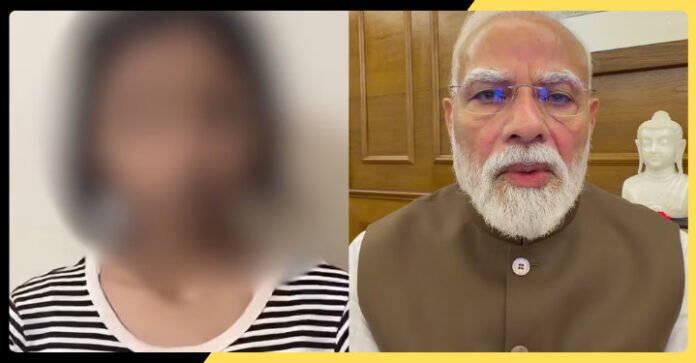

A teenager from Noida has publicly apologized after a video allegedly showing him using abusive language against Prime Minister Narendra Modi went viral across social media platforms. The incident quickly attracted nationwide attention, sparking heated debates about freedom of speech, responsible social media use, and the legal consequences of online behavior by minors.
In a fresh video released after the controversy erupted, the 15-year-old folded his hands and apologized to the Prime Minister and the people of India. “I am sorry to the entire nation. I am just 15 years old. I made a mistake. I request everyone to forgive me,” he said while appearing visibly emotional. The apology spread rapidly online, with many users expressing mixed reactions.
The controversy began when a short clip allegedly showed the teenager making offensive remarks about the Prime Minister. The video was widely circulated on X, Instagram, Facebook, and WhatsApp. Within hours, hashtags related to the incident began trending, and political supporters from different ideologies started sharing their opinions.
Following the video’s circulation, local authorities reportedly took note of the matter. Since the boy is a minor, any legal proceedings involving him would be governed by the Juvenile Justice Act, which focuses more on rehabilitation than punishment.
Legal experts noted that while India guarantees freedom of expression under Article 19 of the Constitution, this right is subject to reasonable restrictions. Speech that is considered defamatory, promotes hatred, or threatens public order can invite legal scrutiny. However, in cases involving juveniles, authorities generally prioritize counseling and corrective measures.
The teenager’s apology video became another viral moment. Supporters of the Prime Minister welcomed the apology but argued that online abuse against elected leaders should not become normalized. Others felt that given his age, society should treat the matter as a learning opportunity rather than seeking harsh punishment.
Social media users remained divided. One section demanded strict action to discourage online abuse, while another emphasized that teenagers often act impulsively without fully understanding the consequences of their actions. Many parents also joined the discussion, stressing the importance of monitoring children’s online activities.
Experts in child psychology pointed out that adolescents are particularly vulnerable to peer pressure and social media influence. Many youngsters create provocative content simply to gain attention, likes, or followers without considering the legal or social impact.
Educationists argued that digital literacy should become an essential part of school education. Students should learn about responsible online communication, cyber laws, and respectful public discourse from an early age.
Political observers also highlighted how social media has transformed political conversations. Viral videos often spread before facts are verified, leading to instant outrage. This incident demonstrates how quickly a single clip can trigger nationwide discussions.
Police officials have not publicly disclosed extensive details about the investigation, keeping in mind the legal protections available to minors. Authorities generally avoid revealing the identities of juveniles involved in legal matters.
The incident has once again highlighted the growing challenge of regulating online content while protecting constitutional freedoms. It also underscores the responsibility of social media users to think before posting content that could have serious consequences.
For the teenager, the apology may represent an important lesson about accountability. His statement asking the nation for forgiveness reflects an acknowledgment that online actions can have real-world implications.
The debate is likely to continue, but the case ultimately serves as a reminder that digital platforms amplify every word and action. Whether through legal consequences or public scrutiny, online behavior carries responsibilities that even young users must learn to understand.