


Explosions reverberated across major Gulf cities including Dubai, Abu Dhabi, Doha and Manama on Sunday as Iran pressed ahead with a broad campaign of retaliatory strikes in response to recent U.S. and Israeli military action against the Islamic Republic. The unprecedented barrage of missiles and drones marks a sharp escalation in a conflict that has rapidly expanded beyond the Iran–Israel theatre and into the wider Middle East, raising fears of a prolonged regional war.
Residents in Dubai reported hearing multiple loud blasts early Sunday morning, with smoke visible over the Jebel Ali port area where a berth was set alight after debris from intercepted projectiles fell. Thick plumes also rose over the city’s skyline, prompting widespread concern among expatriates, tourists, and workers in one of the region’s leading economic hubs.
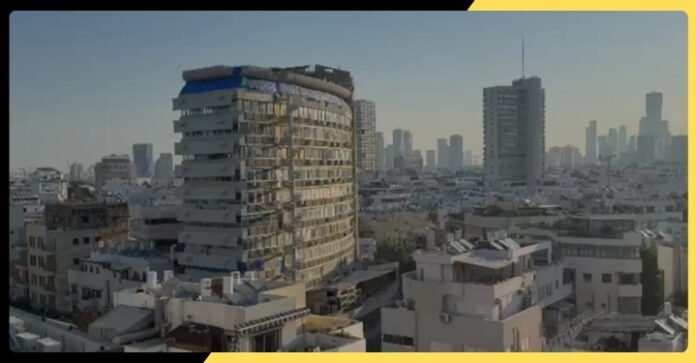
In the UAE capital Abu Dhabi, debris from deflected missiles and drones caused structural damage in residential and commercial districts, injuring civilians and underscoring the risks faced by cities previously considered beyond the reach of regional hostilities. Qatar’s capital, Doha, also reported blasts and fires in industrial zones due to falling wreckage, while Bahrain’s Manama heard sirens and explosions.
Officials in the UAE confirmed that their air defenses intercepted the majority of Tehran’s projectiles – including hundreds of ballistic missiles and armed drones – before they could hit their intended targets. Nevertheless, even intercepted weapons created dangerous falling debris that injured civilians and sparked fires.
The Iranian strikes appear to be part of a broader campaign targeting nations seen as allied with the United States and Israel, including military bases hosting American forces. Gulf Cooperation Council states have long hosted Western troops and facilities, and Tehran appears to be leveraging this presence in what it calls self-defense against “aggression” from U.S. and Israeli air strikes on Iranian territory.
The reaction on the ground has been swift. Dubai International Airport, one of the world’s busiest aviation hubs, was forced to close intermittently, disrupting flights across the region. Airlines including Emirates, Qatar Airways and others suspended services as airspace closures were ordered for safety reasons. Thousands of passengers have found themselves stranded as carriers rerouted or canceled hundreds of flights.
Beyond aviation, economic disruptions are spreading rapidly, with businesses closed temporarily and schools in some Emirates switching to remote learning as precautionary measures. The attacks have rattled investors and expatriate communities, undermining confidence in Gulf states’ long-held image as secure, stable economic centers.
Global markets reacted sharply to the unfolding crisis, particularly energy prices, given the Gulf’s pivotal role in oil exports and the strategic importance of the Strait of Hormuz. Analysts warn that prolonged disruption could further elevate oil costs and intensify inflationary pressures worldwide.
As the conflict enters a new phase, governments around the world are urging citizens to avoid travel to the Middle East and monitoring developments closely. The expanding geographic scope of Iran’s strikes – reaching civilian and economic infrastructure in key Gulf capitals – signals a dangerous new chapter in a crisis with potentially far-reaching consequences.