

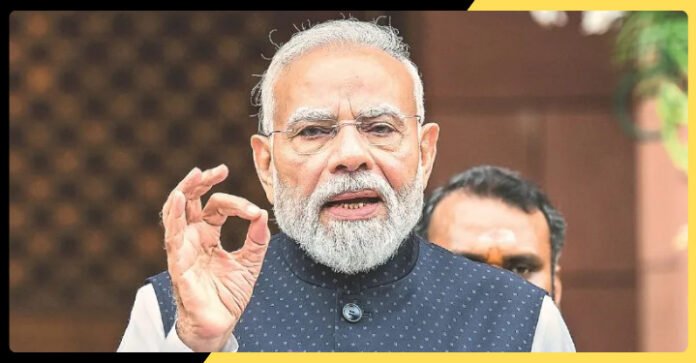

The Delhi Police has registered a First Information Report (FIR) over a series of allegedly abusive and objectionable posts directed at Prime Minister Narendra Modi on the social media platform X, formerly known as Twitter. The development has sparked fresh debate over the limits of free speech, online abuse, and the responsibilities of social media platforms in responding to requests from law enforcement agencies.
According to officials familiar with the investigation, the FIR was lodged after authorities received complaints regarding several posts that allegedly contained abusive language, offensive remarks, and content considered capable of provoking public unrest. Investigators believe that some of the posts may have violated provisions of the Bharatiya Nyaya Sanhita (BNS) and relevant sections of the Information Technology Act dealing with online offences and misuse of digital platforms.
Following the registration of the FIR, the Delhi Police formally approached X seeking details of the accounts involved in publishing the disputed content. The police have reportedly requested information that may help identify the individuals responsible for creating and circulating the posts. Such details could include account registration information, login records, IP addresses, and other digital evidence, subject to applicable laws and the platform’s privacy policies.
Officials have stated that the investigation remains in its preliminary stage and that no conclusions have yet been reached regarding the identity or intent of those behind the posts. Authorities are examining whether the accounts belong to genuine users or whether fake identities and anonymous profiles were used to spread the content.
The case once again highlights the growing challenge faced by law enforcement agencies in dealing with offences committed on social media. Digital platforms have become an important medium for public discussion and political debate, but they have also witnessed a rise in abusive language, misinformation, impersonation, and coordinated online campaigns.
Legal experts point out that while the Constitution guarantees citizens the right to freedom of speech and expression, that freedom is not absolute. Indian law permits reasonable restrictions in situations involving public order, defamation, incitement to violence, national security, or other legally recognised grounds. Courts have repeatedly emphasised that criticism of public officials and governments is protected speech, but threats, hate speech, and criminal intimidation may invite legal action depending on the facts of each case.
Cybercrime investigators often rely on digital evidence to establish responsibility in such cases. Even when users attempt to conceal their identity through anonymous accounts or virtual private networks, investigators may seek technical assistance from online platforms and internet service providers to trace digital footprints. However, successful identification depends on the availability of records and compliance with legal procedures.
X, like other global social media companies, regularly receives requests from governments around the world for user information and content removal. The platform generally evaluates such requests based on local laws, court orders, and its own legal obligations. In some instances, it may provide limited information if the request complies with applicable legal standards, while in others it may challenge or reject requests that it considers inconsistent with its policies or legal framework.
The latest FIR has also reignited discussion over the role of technology companies in balancing user privacy with cooperation in criminal investigations. Digital rights advocates argue that transparency and judicial oversight are essential whenever user information is sought by authorities. At the same time, many legal experts believe that social media platforms have a responsibility to cooperate with lawful investigations involving serious criminal allegations.
Political reactions to the case have varied. Supporters of the government have argued that abusive and threatening online behaviour should be dealt with firmly to maintain civil discourse and prevent misuse of digital platforms. Some opposition voices and civil liberties groups, however, have cautioned that enforcement actions should not discourage legitimate criticism of elected representatives or restrict democratic debate.
Cybersecurity professionals note that online abuse targeting public figures has become increasingly common across many countries. Coordinated campaigns involving fake accounts, bots, and anonymous profiles often complicate investigations. They recommend stronger digital literacy, improved moderation systems, and faster cooperation between technology companies and law enforcement agencies to address such issues without undermining lawful expression.
As the investigation progresses, Delhi Police are expected to analyse digital evidence, examine the content of the disputed posts, and determine whether criminal offences have been committed under Indian law. Investigators may issue additional notices, summon individuals for questioning, or seek further technical information depending on the evidence collected.
The case is likely to be closely watched because it touches upon several important issues, including online accountability, freedom of expression, cyber law enforcement, and the responsibilities of social media platforms. The outcome may also contribute to the evolving legal and policy discussions surrounding digital communication in India. Until the investigation is completed, authorities have maintained that all findings remain subject to verification and due legal process.