

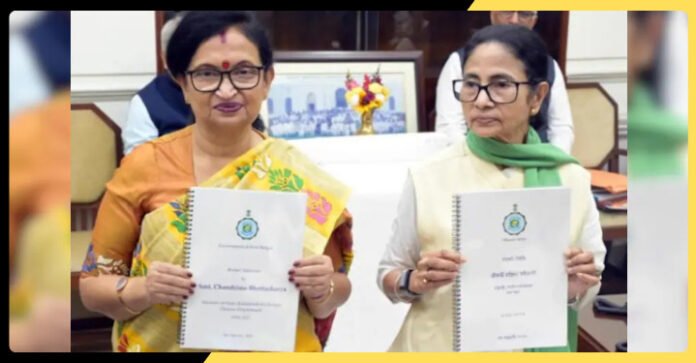

Kolkata: The Trinamool Congress (TMC) has been hit by another political setback after a senior party leader serving as the Bengal unit chief resigned from the post and reportedly held discussions with a group of rebel leaders. The development has intensified speculation about growing internal differences within the ruling party and raised fresh questions about its organizational unity ahead of upcoming political challenges.
According to party sources, the resignation came after weeks of reported dissatisfaction over internal decision-making, leadership style, and the distribution of responsibilities within the state unit. While the leader has not publicly detailed all the reasons behind the decision, political observers believe the move reflects deeper concerns that have been brewing inside the party for some time.
The meeting with rebel leaders has attracted significant attention, as it signals the possibility of a coordinated effort by dissatisfied members to push for organizational reforms or create pressure on the party’s central leadership. Although there has been no official announcement regarding the formation of a separate political platform, the discussions have fueled speculation about the future direction of the dissident group.
Chief Minister and Trinamool Congress supremo Mamata Banerjee has so far not issued a detailed statement on the resignation. However, senior party leaders have attempted to downplay the significance of the development, insisting that the party remains united and that occasional differences are natural in any large political organization.
A senior TMC spokesperson said that the party leadership is capable of resolving internal disputes through dialogue and organizational mechanisms. The spokesperson also emphasized that the focus remains on governance and public welfare rather than internal politics.
Despite these assurances, opposition parties have seized the opportunity to criticize the Trinamool Congress. Leaders from the Bharatiya Janata Party (BJP) and the Congress claimed that the resignation reflects growing dissatisfaction among TMC members and exposes alleged cracks within the party’s leadership structure.
Political analysts believe the timing of the resignation could have wider implications. With elections and major political campaigns on the horizon, maintaining organizational discipline is crucial for every political party. Any signs of internal division can affect worker morale and provide opponents with additional campaign issues.
The leader’s interaction with rebel members has also prompted discussions about whether more party functionaries could express similar concerns in the coming weeks. While no additional resignations have been reported so far, observers are closely monitoring the situation for further developments.
Supporters of the outgoing leader argue that the resignation should not be viewed as an act of rebellion but rather as an expression of dissatisfaction over organizational functioning. They maintain that open discussions and internal reforms are necessary to strengthen any political party.
Meanwhile, loyalists of the Trinamool Congress leadership have rejected suggestions of a major crisis. They insist that the party has overcome similar challenges in the past and remains firmly under the leadership of Mamata Banerjee. According to them, isolated incidents should not be interpreted as evidence of widespread discontent.
The political developments have also generated intense debate across social media platforms, where supporters and critics of the ruling party continue to express differing opinions. While some believe the resignation could mark the beginning of larger organizational changes, others argue that it is unlikely to significantly impact the party’s electoral prospects.
Experts note that political parties often witness internal disagreements, particularly as they prepare for important elections. The ability of the leadership to address grievances and maintain unity usually determines whether such disputes escalate into larger political challenges.
For now, all eyes remain on the Trinamool Congress leadership and the rebel group. Whether the differences are resolved through negotiations or lead to further political realignments will become clearer in the coming days. Until then, the resignation has undoubtedly added a new chapter to West Bengal’s evolving political landscape and intensified interest in the future course of the state’s ruling party.