

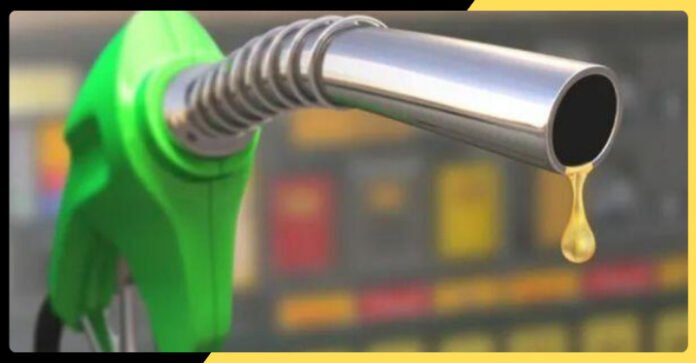

India has embarked on an ambitious journey to reduce its dependence on imported crude oil by increasing the use of biofuels in transportation. One of the key steps in this strategy is blending ethanol, a renewable biofuel, with petrol. The government has set aggressive targets to expand ethanol blending across the country, presenting it as a solution that can improve energy security, support farmers, reduce pollution, and strengthen the economy. However, while the policy has been widely praised for its long-term environmental and economic goals, it has also sparked debate among motorists and industry experts who question its impact on vehicles and fuel efficiency.
India imports nearly 85 percent of its crude oil requirements, making the country highly vulnerable to fluctuations in global oil prices and geopolitical tensions. Every increase in international crude oil prices places additional pressure on the nation’s economy, leading to higher fuel costs and a larger import bill. By producing ethanol domestically from agricultural products such as sugarcane, maize, and surplus grains, India hopes to replace a portion of imported petroleum with a renewable fuel produced within its borders.
The Ethanol Blended Petrol (EBP) Programme has become one of the government’s flagship energy initiatives. The programme aims to gradually increase the percentage of ethanol mixed with petrol. India has already achieved significant milestones by expanding ethanol blending levels much faster than initially anticipated. Policymakers believe that higher ethanol usage will reduce foreign exchange spending on oil imports while simultaneously creating a stable market for agricultural produce.
Another major objective behind the biofuel policy is to support Indian farmers. Sugar mills have historically faced problems related to surplus sugar production and delayed payments to farmers. Diverting excess sugarcane toward ethanol production offers mills an additional source of income while helping farmers receive payments more quickly. Similarly, encouraging ethanol production from maize and damaged food grains provides new business opportunities for agricultural producers and contributes to rural economic development.
Environmental concerns have also played a major role in shaping India’s biofuel strategy. Transportation remains one of the largest contributors to greenhouse gas emissions. Ethanol burns cleaner than conventional petrol and can reduce emissions of carbon monoxide and certain harmful pollutants when blended appropriately. The government argues that increasing ethanol use aligns with India’s climate commitments and supports its broader goal of transitioning toward cleaner sources of energy.
Officials also view biofuels as an important stepping stone in the country’s long-term energy transition. While electric vehicles are expected to play a larger role in the future, millions of petrol-powered vehicles will remain on Indian roads for many years. Ethanol blending provides a relatively quick method of reducing emissions from existing vehicles without requiring immediate replacement of the national vehicle fleet.
To encourage ethanol production, the government has introduced several policy measures, including financial incentives for distilleries, easier licensing procedures, and assured pricing mechanisms. Investments in new ethanol plants have increased substantially, and production capacity has expanded across multiple states. Public sector oil marketing companies have also strengthened their supply chains to distribute blended petrol more efficiently nationwide.
Despite these efforts, public opinion remains divided. Some motorists report reduced fuel economy after using higher ethanol blends, while others worry about the compatibility of older vehicles and motorcycles. Automobile manufacturers have generally supported the policy but recommend that consumers follow manufacturer guidelines regarding fuel compatibility. Engineers also emphasize that vehicles specifically designed for higher ethanol blends can perform efficiently without significant issues.
Critics argue that expanding ethanol production raises questions about water usage, land allocation, and food security. Sugarcane, one of the primary feedstocks for ethanol in India, requires substantial amounts of water. Experts continue to debate whether large-scale ethanol production is sustainable in regions already facing water shortages. Others believe that relying more heavily on maize and agricultural waste could create a more balanced and environmentally responsible biofuel industry.
The success of India’s biofuel programme will ultimately depend on balancing environmental benefits, agricultural interests, consumer satisfaction, and economic realities. As technology improves and vehicle manufacturers adapt to evolving fuel standards, ethanol blending may become an increasingly accepted part of everyday transportation. However, policymakers must continue addressing public concerns through scientific research, transparent communication, and careful implementation.
India’s decision to blend biofuels with petrol represents far more than a simple change in fuel composition. It reflects a broader national strategy aimed at reducing oil imports, strengthening rural economies, supporting climate goals, and building greater energy independence. While challenges remain, the government’s vision is clear: create a cleaner, more self-reliant energy future that benefits both the economy and the environment. Whether that vision fully succeeds will depend on how effectively the country balances innovation with the practical needs of millions of drivers.