

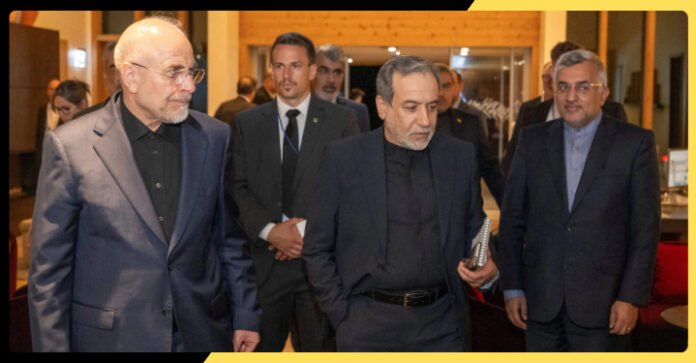

US Warning Raises Fresh Concerns Over Middle East Peace Efforts
A new report claiming that the United States warned Iran about a possible Israeli plot targeting senior ceasefire negotiators has added another layer of uncertainty to the already fragile security situation in the Middle East. The reported warning, which has not been officially confirmed by all parties involved, comes at a time when diplomatic efforts to secure lasting ceasefires in regional conflicts remain under intense pressure.
According to multiple media reports, U.S. officials allegedly passed intelligence to Iranian authorities indicating that key individuals involved in ongoing ceasefire negotiations could face security threats. The reported communication was intended to prevent any action that could derail sensitive diplomatic talks and trigger a broader regional confrontation.
Neither Washington nor Tehran has publicly released detailed information regarding the reported intelligence. Israeli officials have also not confirmed the existence of any such operation. As a result, many aspects of the reports remain unverified, while analysts continue to assess their significance.
Delicate Diplomatic Environment
The Middle East has witnessed months of heightened tensions involving military operations, proxy conflicts, and diplomatic negotiations aimed at reducing violence. International mediators have worked behind the scenes to establish temporary ceasefires, facilitate humanitarian aid deliveries, and negotiate prisoner or hostage exchanges.
Negotiators often operate under significant security risks due to the sensitive nature of their work. Their role involves maintaining communication between opposing sides, many of whom remain deeply distrustful of each other. Any threat against these mediators could undermine confidence in ongoing diplomatic initiatives.
Political observers note that intelligence-sharing between rival governments, even under extraordinary circumstances, reflects the seriousness with which potential threats to peace negotiations are viewed.
Reported Intelligence Sharing
Reports suggest that U.S. intelligence agencies became aware of information indicating a possible threat against individuals participating in ceasefire discussions. Rather than keeping the intelligence classified within government channels, Washington reportedly decided to alert Iranian officials in an effort to avoid a development that could dramatically escalate regional instability.
Experts say governments occasionally share intelligence with geopolitical rivals when there is a broader interest in preventing large-scale conflict. Such communications do not necessarily indicate improved political relations but may reflect practical efforts to reduce immediate security risks.
The reported warning has generated widespread discussion among diplomatic observers, many of whom view it as an example of crisis management during periods of heightened regional tension.
No Official Confirmation from Israel
Israeli authorities have not publicly acknowledged the reported allegations. The Israeli government generally refrains from commenting on intelligence-related matters or reports concerning alleged covert operations.
Security experts caution against drawing firm conclusions before official evidence becomes available. Intelligence reports often contain incomplete or evolving information, and governments may choose not to disclose operational details for national security reasons.
Without formal confirmation from any of the governments involved, much of the reporting remains based on anonymous officials and media sources familiar with diplomatic discussions.
Impact on Ceasefire Negotiations
The reported warning has raised concerns about the future of ongoing ceasefire negotiations. Diplomatic talks often depend on mutual trust, secure communication channels, and confidence that negotiators can operate without becoming targets.
If negotiators believe their personal safety is at risk, discussions could slow or even collapse. Such an outcome would likely complicate efforts to secure humanitarian access, reduce civilian casualties, and prevent wider regional escalation.
International diplomats continue to emphasize that dialogue remains the most effective path toward reducing violence despite the significant political and security challenges involved.
Growing Regional Uncertainty
The Middle East continues to face one of its most volatile security environments in recent years. Military operations, cross-border attacks, and political rivalries have increased concerns that localized conflicts could expand into broader regional confrontations.
Several countries have urged restraint while encouraging all parties to continue diplomatic engagement. International organizations have repeatedly called for protecting civilians and ensuring humanitarian assistance reaches affected populations.
Analysts believe any attack on individuals involved in peace negotiations could have consequences extending well beyond the immediate conflict, potentially affecting diplomatic relations across the region.
International Response
Governments around the world continue to monitor developments closely. Many foreign ministries have reiterated their support for diplomatic solutions while expressing concern over reports that could threaten ongoing negotiations.
Although official details remain limited, the reported U.S. warning highlights the complexity of modern diplomacy, where intelligence, military strategy, and political negotiations often intersect.
As governments await further clarification, international attention remains focused on whether ceasefire efforts can continue despite growing security concerns. For now, many of the reported claims remain unverified, but the story underscores how fragile peace negotiations can become during periods of heightened regional tension.