

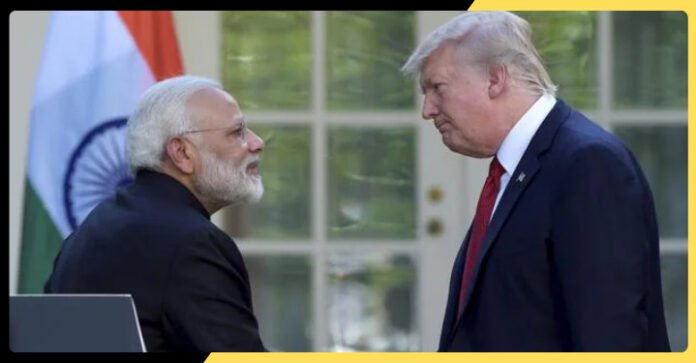

As Indian Prime Minister Narendra Modi prepares for a crucial meeting with former U.S. President Donald Trump, concerns surrounding a growing trust deficit between the two countries have come into sharp focus. The upcoming discussions are expected to address a range of strategic, economic, and geopolitical issues that have increasingly tested the resilience of the India-United States partnership.
Over the past decade, India and the United States have significantly expanded their cooperation across defense, trade, technology, and regional security. Both nations have often described their relationship as one of the most important partnerships of the 21st century. However, despite these achievements, several areas of disagreement have emerged, creating uncertainty about the future direction of bilateral ties.
Prime Minister Modi’s remarks about the need to strengthen trust underscore the importance of maintaining open communication and mutual understanding between the two democracies. Trust remains a fundamental element of any strategic partnership, particularly when both countries face complex global challenges ranging from economic instability to security concerns in the Indo-Pacific region.
Trade is expected to be a major topic during the meeting. While India and the United States enjoy strong commercial ties, disputes over tariffs, market access, and regulatory barriers have occasionally strained relations. Businesses on both sides have called for greater predictability and transparency to encourage investment and economic growth. Addressing these concerns could help restore confidence among investors and strengthen economic cooperation.
Defense collaboration is another critical pillar of the relationship. India has emerged as a key security partner for the United States in the Indo-Pacific, a region that has become increasingly significant in global strategic calculations. Joint military exercises, defense agreements, and intelligence-sharing initiatives have contributed to closer cooperation. However, differing approaches to certain international issues have sometimes generated questions about long-term strategic alignment.
The geopolitical landscape has become more complicated in recent years. Conflicts in various regions, evolving alliances, and competition among major powers have forced countries to reassess their foreign policy priorities. India has consistently emphasized its strategic autonomy, seeking to maintain relationships with multiple global partners while protecting its national interests. This approach has occasionally created differences with Washington, particularly on issues where expectations and priorities do not fully align.
Technology and innovation are also expected to feature prominently in the discussions. Both nations recognize the importance of cooperation in emerging sectors such as artificial intelligence, semiconductors, cybersecurity, and digital infrastructure. Strengthening collaboration in these fields could generate significant economic opportunities while enhancing national security capabilities.
Another area requiring careful attention is people-to-people engagement. The Indian diaspora in the United States has played a vital role in strengthening bilateral ties. Educational exchanges, business partnerships, and cultural connections have helped create a strong foundation for cooperation. Policymakers on both sides understand that sustaining these connections is essential for the long-term success of the relationship.
Analysts believe that Modi’s emphasis on trust reflects broader concerns about consistency and reliability in international partnerships. In an era marked by rapid geopolitical change, countries increasingly seek assurances that commitments will be honored and strategic objectives will remain aligned. Building trust requires not only diplomatic engagement but also concrete actions that demonstrate mutual respect and shared interests.
The meeting between Modi and Trump is therefore likely to carry significance beyond immediate policy discussions. It represents an opportunity to address concerns, clarify expectations, and reaffirm the value of one of the world’s most consequential bilateral relationships. Success will depend on the willingness of both leaders to engage constructively and identify common ground despite areas of disagreement.
As the talks approach, observers around the world will closely watch for signals about the future trajectory of India-U.S. relations. Whether the discussions lead to renewed confidence or highlight existing challenges, they are expected to influence diplomatic and economic developments well beyond the two nations involved.