

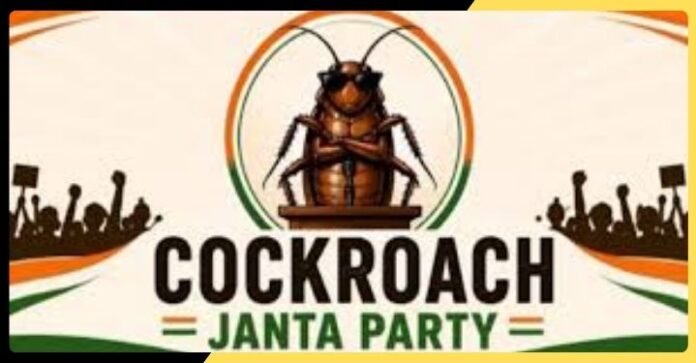

A strange yet powerful internet trend has shaken India’s political social media landscape after the satirical “Cockroach Janta Party” overtook the BJP’s official Instagram follower count. What began as a joke quickly transformed into a nationwide online movement driven by memes, frustration, and youth anger.
The campaign emerged after controversial comments comparing unemployed youth to “cockroaches” sparked outrage online. Instead of rejecting the label, thousands of students and young professionals embraced it sarcastically, turning the cockroach into a symbol of survival and resistance.
Within days, the page exploded in popularity. Viral reels, parody campaign posters, and humorous political slogans spread rapidly across Instagram, helping the movement attract millions of followers. Many users saw the campaign as a voice for unemployed youth struggling with rising inflation, competitive exams, and lack of opportunities.
Political observers say the movement reflects a growing disconnect between India’s younger generation and mainstream politics. While traditional parties focus on rallies and speeches, the Cockroach Janta Party relied entirely on internet culture and meme-based communication.
The campaign’s founder reportedly described the movement as a digital protest against political indifference. Supporters flooded social media with satirical promises such as “free shelter in every kitchen” and “equal rights for every survivor,” mocking traditional election manifestos.
The movement’s rise also triggered debates around freedom of expression after reports claimed the group’s X account was withheld in India shortly after its Instagram success. Critics accused authorities of trying to silence satire, while others dismissed the movement as temporary online entertainment.
Despite criticism, experts believe the campaign revealed an important political shift. Gen Z voters increasingly use humour and memes to express frustration, making social media a major political battleground.
Although the BJP remains India’s strongest electoral force, the Cockroach Janta Party achieved something remarkable — it dominated the national online conversation. The movement demonstrated that digital influence can create symbolic victories powerful enough to challenge established political narratives.
For many young Indians, the cockroach is no longer just an insect. It has become a metaphor for surviving difficult economic realities and being ignored by those in power.
Whether the movement disappears or evolves into something larger, its viral success has already changed India’s online political culture. In the digital era, even satire can become a serious political statement.