
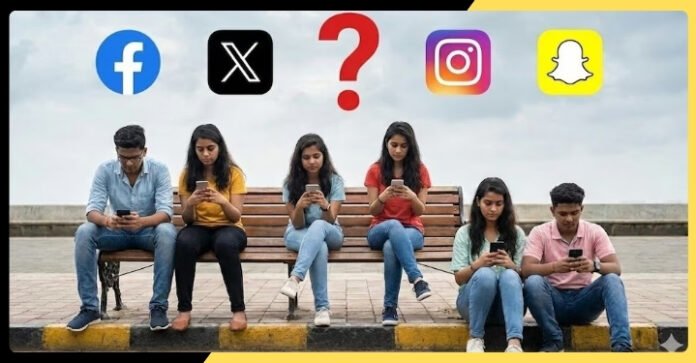

The Indian government is reportedly exploring the possibility of extending the scope of the Information Technology (Intermediary Guidelines and Digital Media Ethics Code) Rules, 2021 to include news content shared on social media platforms. This move comes amid growing concerns over misinformation, fake news, and unverified content circulating widely across platforms such as Facebook, X (formerly Twitter), and YouTube.
Currently, the IT Rules primarily govern digital news publishers, OTT platforms, and intermediaries, requiring them to adhere to a code of ethics and establish grievance redressal mechanisms. However, social media platforms, while classified as intermediaries, are not directly accountable for the news content shared by users unless flagged or reported.
Officials believe that the rapid spread of misleading or inflammatory content poses a significant threat to public order and democratic processes. During elections or crises, viral misinformation can influence public opinion and create unrest. By bringing social media news under the IT Rules, authorities aim to ensure accountability and transparency.
Under the proposed framework, platforms may be required to identify and label news sources, curb the spread of fake news, and cooperate more actively with government directives. There could also be stricter compliance requirements, including faster takedown of harmful content and improved traceability of originators.
However, the proposal has sparked concerns among free speech advocates and digital rights organizations. Critics argue that increased regulation could lead to censorship and excessive government control over online discourse. They emphasize the need for a balanced approach that protects both public interest and individual freedoms.
Social media companies may also face operational challenges if new compliance burdens are imposed. Ensuring real-time monitoring and verification of news content at scale is a complex task, especially in a diverse country like India with multiple languages and regional contexts.
As discussions continue, the government is expected to consult stakeholders, including tech companies, media organizations, and civil society groups, before finalizing any amendments. The outcome could significantly reshape India’s digital information ecosystem and redefine how news is consumed and regulated in the social media age.