

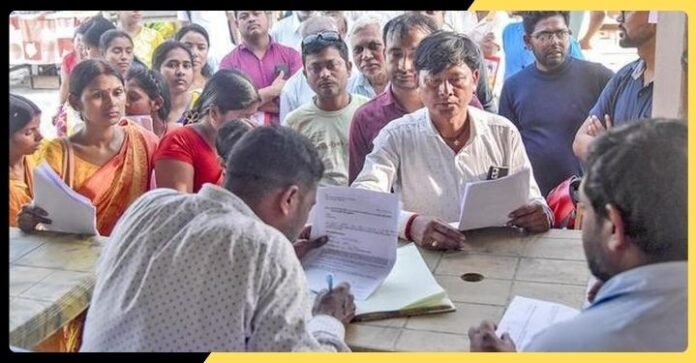

The Supreme Court is set to examine a significant legal challenge concerning the Election Commission of India’s (ECI) decision to freeze electoral rolls in West Bengal ahead of upcoming elections. The move has sparked a debate around voter rights, administrative authority, and the integrity of the democratic process.
The controversy began when the ECI announced a temporary freeze on updates to the electoral rolls, citing the need to maintain stability and avoid last-minute discrepancies before polling. According to the Commission, such measures are standard practice during election cycles to ensure that the voter list remains consistent and credible. However, critics argue that the timing and execution of the decision could disenfranchise eligible voters.
Petitioners approaching the Supreme Court have raised concerns that the freeze prevents new voters, particularly young individuals who have recently turned 18, from registering. Additionally, they claim that errors in existing rolls cannot be corrected during this period, potentially leaving many citizens unable to exercise their franchise.
Legal experts note that the case raises crucial constitutional questions. At the heart of the matter is the balance between administrative efficiency and the fundamental right to vote. While the ECI is empowered to regulate electoral processes, it must do so without infringing upon citizens’ rights guaranteed under the Constitution.
The petition also questions whether the freeze aligns with the principles of free and fair elections. Opponents argue that an outdated or inaccurate voter list undermines electoral integrity. They emphasize that inclusivity is a cornerstone of democracy and that any measure restricting voter participation must be carefully scrutinized.
On the other hand, the ECI is expected to defend its decision by highlighting logistical challenges. Managing electoral rolls in a populous state like West Bengal is a complex task, and last-minute changes could lead to confusion, duplication, or fraud. The Commission may argue that the freeze is a preventive step aimed at ensuring orderly elections.
The Supreme Court’s intervention is seen as crucial in resolving the issue. Its ruling could set an important precedent regarding the powers of the Election Commission and the rights of voters during election periods. Observers believe that the court may seek a balanced approach that safeguards both administrative efficiency and voter inclusion.
The outcome of the hearing could also have broader implications beyond West Bengal. Electoral practices across India may be influenced by the court’s interpretation, especially concerning the timing and scope of electoral roll revisions.
As political parties and civil society organizations closely watch the proceedings, the case underscores the evolving challenges in managing democratic processes in a large and diverse country. The Supreme Court’s decision will likely play a pivotal role in shaping public trust in electoral institutions.