

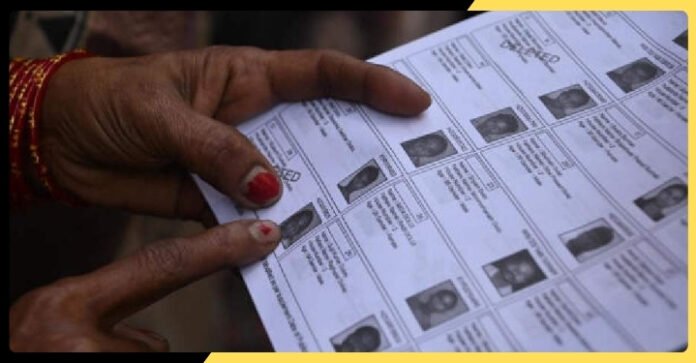

The political landscape in Nandigram has once again become tense, this time over allegations surrounding the supplementary voter list under the Special Intensive Revision (SIR) process. According to emerging reports, nearly 95% of the voters whose names were deleted from the updated list reportedly belong to the Muslim community. The development has triggered a fresh wave of political accusations, administrative scrutiny, and public concern over the integrity of the electoral process.
Nandigram, a politically sensitive constituency in West Bengal, has long been a battleground for major political parties. The issue of voter list revision is not new, but the scale and pattern of deletions in the latest supplementary list have raised eyebrows. Opposition parties have alleged that the process disproportionately targeted a specific community, thereby raising serious questions about fairness and inclusivity in electoral rolls.
Election officials, however, have defended the revision exercise, stating that deletions were carried out strictly based on procedural requirements. According to them, names were removed due to reasons such as duplication, death, migration, or lack of proper documentation. They insist that the process was conducted in accordance with guidelines set by the Election Commission and was not influenced by any political or communal considerations.
Despite these assurances, critics argue that the data tells a different story. The fact that a vast majority of deleted names belong to Muslims has fueled suspicions of deliberate exclusion. Political leaders have demanded a detailed audit of the process, calling for transparency in how the deletions were identified and executed.
Local residents have also expressed concern, with many claiming that legitimate voters have been left out without prior notice. Some affected individuals allege that they were not given an opportunity to verify their documents or contest the deletion of their names. This has led to fears that a significant section of the population may be disenfranchised ahead of upcoming elections.
The controversy has also drawn attention to broader issues within the voter list revision system. Experts point out that while periodic revisions are necessary to maintain accuracy, they must be carried out with utmost care to avoid wrongful exclusions. They emphasize the importance of proper verification mechanisms, public awareness campaigns, and accessible grievance redressal systems.
As political tensions escalate, demands for intervention by higher authorities, including the Election Commission, are growing louder. There are calls for an independent inquiry to ensure that the revision process was conducted fairly and without bias.
The Nandigram voter list controversy highlights the delicate balance between administrative efficiency and democratic inclusivity. While maintaining an accurate electoral roll is essential, it must not come at the cost of excluding genuine voters. As the situation unfolds, all eyes will be on how authorities address the concerns and restore public confidence in the electoral system.