

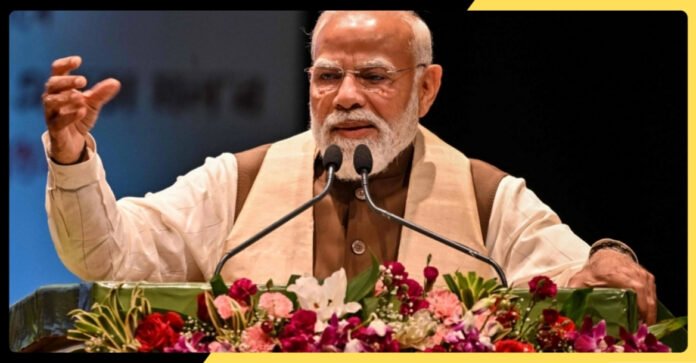

The escalating conflict between the United States and Iran has placed India in a complicated geopolitical position, forcing Prime Minister Narendra Modi to carefully balance diplomacy while safeguarding the nation’s economic interests.
India’s ties with both Washington and Tehran are deeply rooted but fundamentally different. The United States has emerged as one of India’s most important strategic partners, particularly in defense cooperation, technology sharing, and trade. Meanwhile, Iran has historically been a critical energy supplier and a gateway for India’s regional connectivity ambitions.
As tensions between Iran and the United States escalate into military confrontation, the ripple effects are being felt across global markets. For India, the most immediate concern is the rising cost of oil. The country imports more than 80 percent of its crude oil requirements, making it highly vulnerable to fluctuations in global energy prices.
Oil shipments from the Middle East largely pass through the strategically vital Strait of Hormuz. Any disruption to this narrow shipping route could have severe consequences for India’s energy security. With military tensions rising in the region, shipping insurers have already begun raising premiums, which could further increase the cost of energy imports.
The economic implications extend beyond fuel prices. Higher oil costs could push inflation upward and increase the burden on India’s fiscal deficit. Economists warn that prolonged instability in West Asia could slow India’s economic growth and weaken investor confidence.
India’s financial markets have already shown signs of nervousness. Stock indices have experienced volatility as global investors reassess risks associated with geopolitical instability. Energy-intensive industries, including aviation and manufacturing, are particularly vulnerable to rising fuel costs.
In response, the Indian government has adopted a cautious diplomatic approach. Rather than publicly aligning with either side in the conflict, New Delhi has emphasized the need for dialogue and de-escalation.
This diplomatic restraint reflects India’s broader strategy of maintaining strategic autonomy. Instead of choosing sides in global conflicts, India seeks to preserve relationships with multiple major powers simultaneously.
However, the balancing act is becoming increasingly complex. Washington expects its allies to support its stance against Iran, while Tehran remains sensitive to any moves that appear to favor American interests.
India also faces the challenge of protecting millions of its citizens living and working across the Gulf region. These expatriates contribute billions of dollars in remittances each year, making their safety and economic stability an important national priority.
To mitigate risks, the government is reportedly monitoring energy supplies closely and exploring alternative sources if disruptions occur. Strategic petroleum reserves could help cushion short-term supply shocks.
Ultimately, the unfolding crisis underscores the delicate nature of India’s foreign policy. Prime Minister Modi must simultaneously manage diplomatic relations with competing global powers while protecting India’s economic stability.
As the conflict evolves, India’s ability to maintain this balance will likely determine how successfully it navigates one of the most challenging geopolitical crises in recent years.