

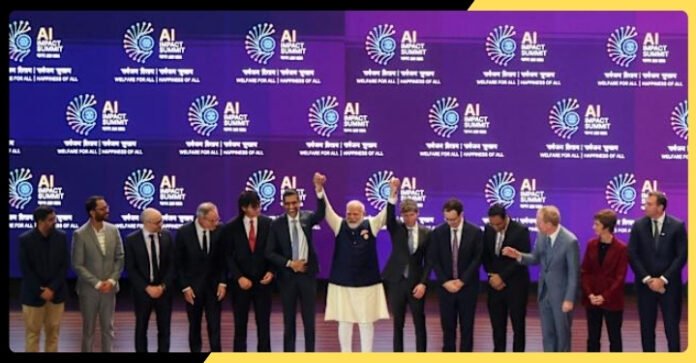

The promise was bold: a $200 billion artificial intelligence opportunity, global leadership, and a roadmap to make India an AI powerhouse. The reality, at least on the ground, was far more complicated.
From the moment I stepped into the summit venue, the energy was unmistakable. Packed halls, flashing screens, and ambitious founders pitching everything from AI-driven agriculture to generative design tools created the atmosphere of a technological gold rush. Investors huddled in corners. Policymakers moved briskly between panels. Startup booths overflowed with demos.
Yet beneath the optimism, there was disorder.
Panel sessions frequently ran behind schedule. Speakers referenced policy frameworks that hadn’t yet been publicly released. Some founders whispered frustration about unclear funding pathways and regulatory ambiguity. One entrepreneur told me, “We know the opportunity is massive. We just don’t know who’s steering the ship.”
The phrase “$200 billion opportunity” was repeated like a mantra. It appeared in presentations, keynote slides, and informal conversations. But when pressed for specifics — timelines, sector breakdowns, capital commitments — answers often turned vague. There was enthusiasm, but not always execution.
To be fair, the summit also showcased real progress. India’s developer base is enormous. Talent pools in cities like Bengaluru, Hyderabad, and Pune continue to expand. Several startups demonstrated impressive AI applications in healthcare diagnostics, language translation for regional markets, and supply chain optimization. Government representatives emphasized digital public infrastructure as a unique national advantage.
The most compelling discussions weren’t the flashy ones. They happened in smaller breakout rooms where engineers debated compute costs, data localization rules, and access to high-performance chips. These were the conversations grounded in operational reality.
A recurring tension defined the event: ambition versus readiness. Policymakers spoke of global AI leadership, but startups voiced concerns about access to GPUs and research funding. Corporates pledged innovation partnerships, yet procurement processes remained slow and bureaucratic.
There was also an identity question. Should India compete directly with the U.S. and China in frontier AI models? Or focus on applied AI tailored to domestic challenges? No clear consensus emerged.
Still, it would be wrong to dismiss the summit as mere spectacle. Chaos often accompanies early-stage transformation. The very fact that AI now commands this scale of attention — from ministers to venture capitalists — signals a shift.
What I saw wasn’t a polished machine ready to dominate global AI. It was something messier: a country in the middle of figuring out how to translate raw talent and ambition into coordinated action.
If India succeeds, historians may look back at gatherings like this as the noisy beginnings of a defining economic chapter. If it fails, they may remember the buzzwords and billion-dollar projections as echoes of a dream that never fully materialized.