

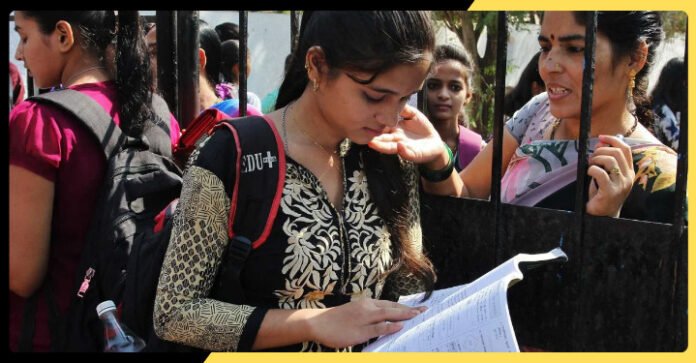

Thousands of students across India are raising concerns over what they describe as significant marking errors in several major examinations, leading to widespread frustration and renewed questions about the country’s evaluation system. The issue has gained national attention as students, parents, and educators report discrepancies in scores that could have a major impact on academic and career opportunities.
The controversy began shortly after the release of results for various board examinations, university assessments, and competitive entrance tests. Many students expressed shock after receiving marks that were far lower than expected. Several candidates who had consistently performed well in school and mock examinations claimed that their final results did not accurately reflect their abilities or preparation.
Social media platforms quickly became a focal point for student complaints. Hashtags related to marking errors, re-evaluation requests, and examination transparency began trending as students shared their experiences online. Numerous posts included scorecards, answer sheet comparisons, and accounts of students who believed they had been unfairly assessed.
One of the most common complaints involves alleged errors in the evaluation process itself. Students claim that correct answers were either awarded insufficient marks or left unchecked entirely. Others have pointed to mistakes in the totaling of marks, where individual section scores reportedly did not add up correctly to the final result. In several cases, students who applied for verification or rechecking later received revised scores, strengthening concerns that initial evaluations may have contained mistakes.
For students, the consequences of such errors can be severe. Competitive examinations in India often determine admission to prestigious colleges, universities, and professional courses. Even a small difference in marks can affect rankings, eligibility, scholarship opportunities, and future career prospects. As a result, many students argue that the examination system must prioritize accuracy above all else.
Parents have also voiced strong concerns. Many families invest significant time, effort, and financial resources into their children’s education. Coaching classes, study materials, and examination fees can represent a substantial financial commitment. When questions arise about the reliability of examination results, parents worry that students may be unfairly disadvantaged despite years of hard work.
Educational experts acknowledge that large-scale examinations involving millions of candidates are complex undertakings. Evaluators often work under tight deadlines, and the sheer volume of answer sheets creates challenges. However, experts also stress that robust quality-control mechanisms are essential to minimize errors and maintain public trust.
Student organizations and advocacy groups have responded by demanding greater transparency in the evaluation process. Among their key demands are easier access to answer sheets, detailed marking schemes, affordable re-evaluation procedures, and faster resolution of grievances. Many students argue that obtaining copies of answer sheets should be simpler and more affordable, enabling candidates to understand how marks were awarded.
Some organizations have also called for independent audits of examination systems. Supporters of such audits believe that external reviews could identify weaknesses in current procedures and recommend improvements. They argue that accountability and transparency are necessary to restore confidence among students and parents.
Examination authorities have defended their evaluation processes, emphasizing that multiple layers of checks are typically used to ensure fairness. Officials note that moderators, examiners, and verification teams work together to review answer sheets and maintain consistency. They also highlight the availability of rechecking and re-evaluation mechanisms designed to address potential concerns.
Nevertheless, critics argue that existing grievance procedures are often too slow. In highly competitive admission cycles, students may need to make important decisions before appeals are completed. Delays can result in missed application deadlines, lost opportunities, and additional stress for candidates already dealing with the pressure of examination results.
The debate has also renewed interest in broader educational reforms. Some experts advocate reducing dependence on a single final examination and incorporating continuous assessment methods throughout the academic year. They believe a more balanced approach could reduce the impact of isolated evaluation errors while providing a fuller picture of student performance.
Technology is increasingly being considered as part of the solution. Digital evaluation systems, automated score verification, and AI-assisted quality checks may help reduce human error and improve efficiency. However, specialists caution that technological solutions must be carefully monitored and implemented responsibly.
As complaints continue to emerge, the issue underscores the importance of trust in educational assessment systems. Students depend on examination results to shape their futures, making accuracy and transparency critical components of a fair evaluation process. The growing calls for reform suggest that stakeholders across India are seeking a system that not only measures academic achievement effectively but also ensures that every student’s efforts are evaluated fairly and accurately.