

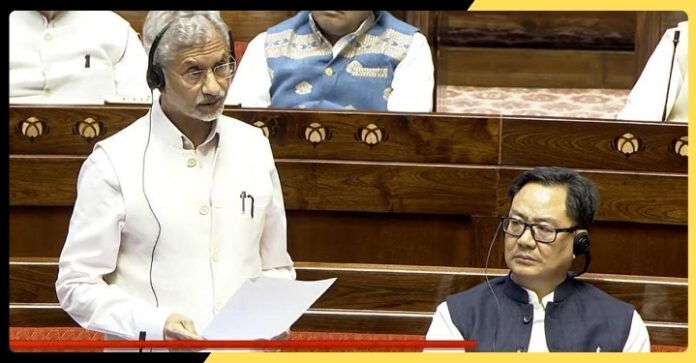

As tensions rise in West Asia due to the ongoing conflict involving Iran, Israel and the United States, India has reiterated its focus on protecting its citizens and safeguarding national interests. External Affairs Minister Subrahmanyam Jaishankar said the government remains committed to diplomacy while closely monitoring the evolving crisis.
Speaking in Parliament, Jaishankar highlighted that the safety of Indian nationals living in the region is the government’s foremost priority. India has a large diaspora across West Asian countries, and authorities are working continuously to ensure their security and well-being.
The government has been coordinating with Indian embassies and local administrations to assist citizens who may be affected by the conflict. Officials have also taken steps to facilitate the return of Indian nationals where necessary, particularly in areas facing travel disruptions or heightened security risks.
In addition to humanitarian concerns, the conflict also poses potential economic challenges for India. West Asia plays a crucial role in the country’s energy supply, with a significant portion of crude oil imports coming from the region. Rising tensions could disrupt supply chains and increase global oil prices.
Jaishankar acknowledged these risks and said the government is closely monitoring developments in energy markets. India is evaluating factors such as availability, costs and supply risks to ensure that the country’s energy needs continue to be met. Protecting the interests of Indian consumers remains a key priority.
The minister also reiterated India’s broader diplomatic position regarding the conflict. He stated that New Delhi strongly supports de-escalation and encourages all parties involved to return to dialogue and diplomatic negotiations.
India’s approach reflects its strategic relationships with multiple countries in the region. The country maintains strong defence and technological cooperation with Israel, longstanding civilisational ties with Iran, and a growing strategic partnership with the United States.
By maintaining balanced engagement with all sides, India aims to contribute to regional stability while safeguarding its own economic and strategic interests. Officials believe that maintaining open channels of communication with all stakeholders will help India navigate the geopolitical complexities of the crisis.
As the conflict continues to evolve, India has reiterated its belief that diplomacy remains the most effective path to peace. Through its emphasis on dialogue, restraint and cooperation, New Delhi hopes to play a constructive role in supporting efforts to restore stability in the region.