

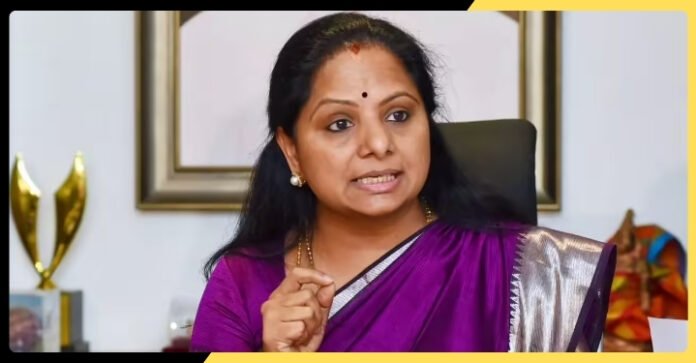

On 27 February 2026, a Delhi trial court discharged former Delhi Chief Minister Arvind Kejriwal, Manish Sisodia and 21 others including K Kavitha in the controversial Delhi excise policy case, offering her a complete clean chit after long legal battles and five months in jail. The judge highlighted lapses in the Central Bureau of Investigation’s (CBI) chargesheet and said no prima facie case was made against the accused, effectively closing the prosecution’s case — although the CBI has stated it will appeal the decision in the Delhi High Court.
For Kavitha, this judicial relief comes at a pivotal moment — not just legally but politically. After her release on bail in August 2024 she redirected her energies toward grassroots work through her social organisation, Telangana Jagruthi, meeting local communities and building her public image beyond controversy. Sources close to her say the ordeal has been transformational, both personally and politically.
Kavitha’s relationship with her long-time party, the Bharat Rashtra Samithi (BRS), has strained sharply. She publicly criticised senior party figures, including her brother K T Rama Rao, over strategic decisions and leadership style. These public spats culminated in her resigning from party membership after being issued a show-cause notice for anti-party remarks.
Now, Kavitha has stated — and repeatedly signalled through associates — that she will soon launch her own political party, with an expected formal announcement in May 2026. Her focus is already reportedly on upcoming municipal polls, especially the Greater Hyderabad Municipal Corporation elections. This suggests she’s not merely seeking a platform but aims to create a political vehicle that can contest seats and build a constituency in Telangana independently of the BRS.
Her new political narrative is likely to be framed around vindication and fresh beginnings: having been wrongfully targeted, cleared by the judiciary, and now ready to offer an alternative. She’s also expected to craft a message around anti-corruption and empowerment, leveraging her jail time as a symbol of resistance against what she terms “politically motivated cases”. This could resonate with voters fatigued by traditional party structures.
However, this path carries challenges. Splitting from the BRS — a party still influential in Telangana — risks dividing votes and alienating old supporters. Internally, many BRS loyalists view her actions as fractious, while opponents will exploit any perception of opportunism. Whether she can build a cohesive political organisation from the ground up or remain a polarising figure will be central to her political fortunes in the months ahead.