

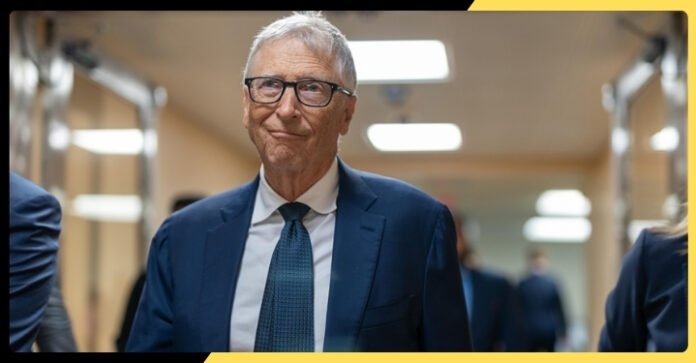

A major artificial intelligence summit in India is moving forward without one of its most anticipated speakers after Bill Gates abruptly withdrew from the event, citing scheduling conflicts. The cancellation, however, comes amid renewed public attention surrounding documents related to convicted financier Jeffrey Epstein, prompting widespread speculation about the timing of the decision.
Organizers of the high-profile AI gathering, which was set to convene policymakers, tech executives, and researchers from across the globe, confirmed that Gates would no longer deliver the keynote address as originally planned. The summit, aimed at strengthening India’s position in the rapidly evolving artificial intelligence landscape, had prominently featured Gates as a central figure in its promotional material.
In a brief statement, representatives for Gates said his withdrawal was due to “unforeseen changes in commitments.” No further clarification was provided. Event organizers expressed understanding, stating they respected the decision and would continue with a revised agenda that includes other international technology leaders.
The development arrives at a sensitive moment. Newly unsealed and recirculated documents connected to Jeffrey Epstein have reignited public discourse around prominent individuals who had past associations with the late financier. Epstein, who died in custody in 2019 while awaiting trial on federal sex trafficking charges, had maintained relationships with numerous business leaders, politicians, and public figures over the years.
Although no new allegations have been directed at Gates, references to past meetings between him and Epstein have resurfaced in media reports and online discussions. Gates previously acknowledged meeting Epstein several times over a decade ago, characterizing those interactions as a “mistake” and saying he regretted exercising poor judgment in agreeing to the meetings. He has consistently denied any involvement in or knowledge of Epstein’s criminal activities.
The controversy has sparked debate over whether public figures should reconsider high-profile appearances when faced with renewed scrutiny—even in the absence of fresh accusations. Some analysts suggest that the timing of Gates’ cancellation may reflect a desire to avoid overshadowing the AI summit’s objectives with unrelated headlines.
“This was supposed to be a forward-looking conversation about artificial intelligence, digital governance, and economic development,” said one technology policy expert familiar with the event’s planning. “Any distraction—especially one tied to a highly charged issue—could have shifted the focus away from innovation and toward controversy.”
India has been actively positioning itself as a global leader in artificial intelligence research, development, and regulation. The summit was expected to highlight collaborations between domestic startups, global tech companies, and academic institutions. Policymakers have emphasized AI’s potential to transform sectors such as healthcare, agriculture, logistics, and financial services across the country.
Gates, co-founder of Microsoft and co-chair of the Bill & Melinda Gates Foundation, has long been an influential voice in discussions around technology and global development. In recent years, he has spoken extensively about AI’s transformative potential, particularly in education, healthcare diagnostics, and climate innovation.
His absence leaves a noticeable gap in the summit’s lineup. Organizers have indicated that other international speakers will step into expanded roles to ensure the event maintains its global relevance. Several senior Indian officials are still scheduled to address regulatory frameworks, ethical AI standards, and cross-border data governance.
Meanwhile, reactions to Gates’ withdrawal have been mixed. Supporters argue that stepping back may help prevent unnecessary distraction, particularly given how quickly online discourse can overshadow substantive policy conversations. Critics, however, question whether high-profile figures should more directly address controversies rather than sidestep public appearances.
Communications specialists note that reputational risk management has become increasingly complex in the digital age. “Even historical associations—however limited—can resurface at any time,” said a crisis management consultant. “Organizations and individuals often weigh whether the value of participation outweighs the risk of media attention shifting focus.”
The renewed attention on Epstein-related files has once again demonstrated the enduring sensitivity of the case. Since Epstein’s death, multiple waves of document releases and legal proceedings have periodically thrust past relationships into the spotlight. While many individuals named in various documents have not been accused of wrongdoing, public curiosity and speculation have remained intense.
For India’s AI summit, the broader mission remains unchanged. Government officials have reiterated their commitment to advancing responsible AI development and fostering international collaboration. The event is expected to produce policy recommendations aimed at balancing innovation with safeguards on privacy, data security, and algorithmic fairness.
Technology analysts point out that the global AI race is accelerating rapidly, with countries vying to establish leadership in both research and regulatory standards. India’s large talent pool and expanding digital infrastructure position it as a significant player. Ensuring that the summit’s discussions stay centered on those priorities will likely be a key objective for organizers in the wake of the headline-making cancellation.
Gates has not publicly commented beyond the brief explanation provided by his representatives. In past interviews, he has acknowledged that his interactions with Epstein were a reputational error and stated that he cut off contact after recognizing concerns about Epstein’s conduct. He has also emphasized that those meetings did not result in any philanthropic partnerships or financial arrangements.
As the summit unfolds without him, observers will be watching closely to see whether the controversy fades quickly or continues to shape narratives around prominent figures in the technology sector. For now, the spotlight returns to India’s ambitions in artificial intelligence—a field whose societal implications may ultimately eclipse the momentary turbulence surrounding one of its most recognizable advocates.
The episode underscores a broader reality in today’s interconnected world: leadership in technology and innovation is increasingly intertwined with public perception, accountability, and the rapid amplification of past associations. Whether Gates’ withdrawal proves to be a brief footnote or part of a larger reputational recalibration remains to be seen. What is clear is that the AI conversation—both in India and globally—will continue, even as its most high-profile participants navigate the complexities of public life.